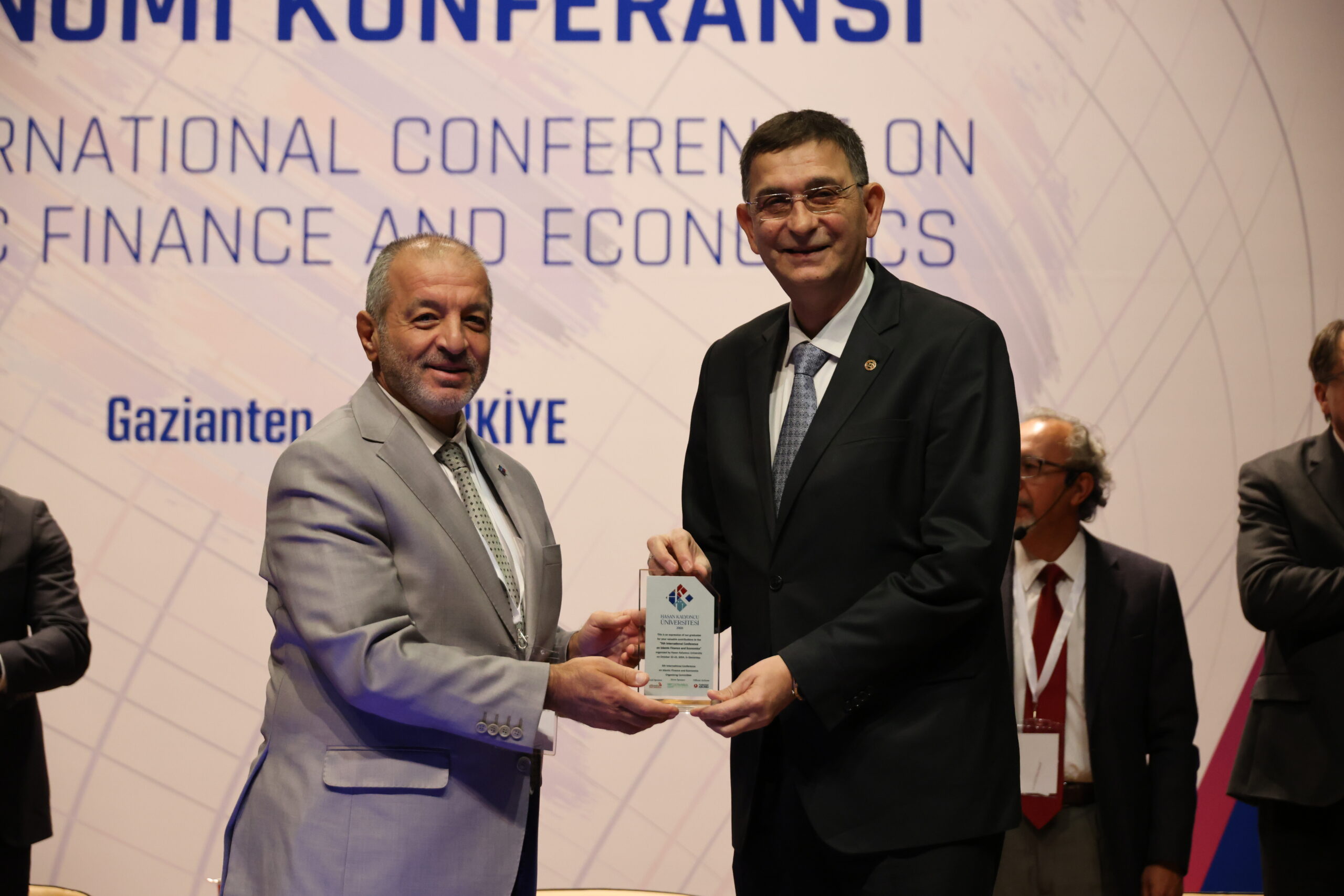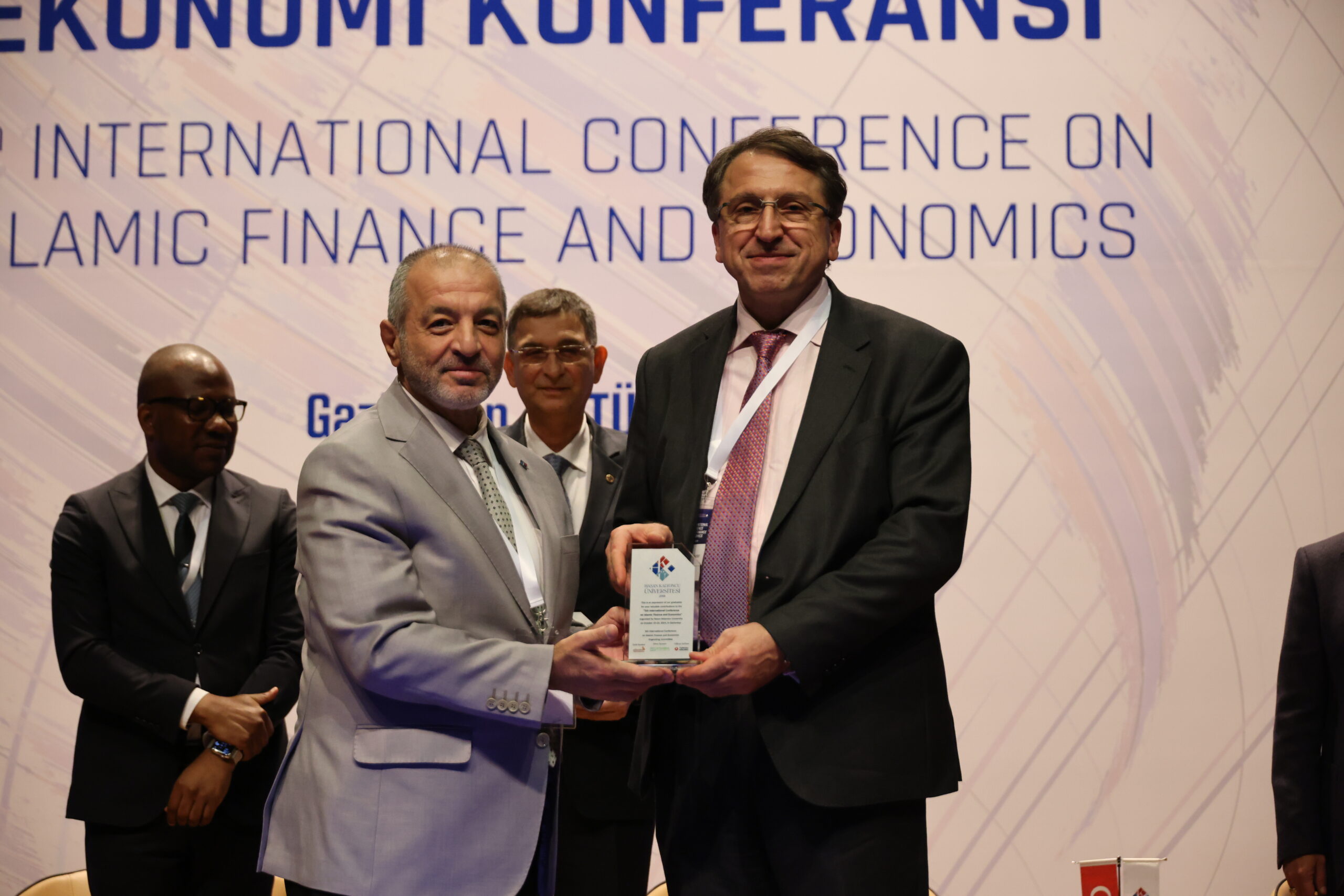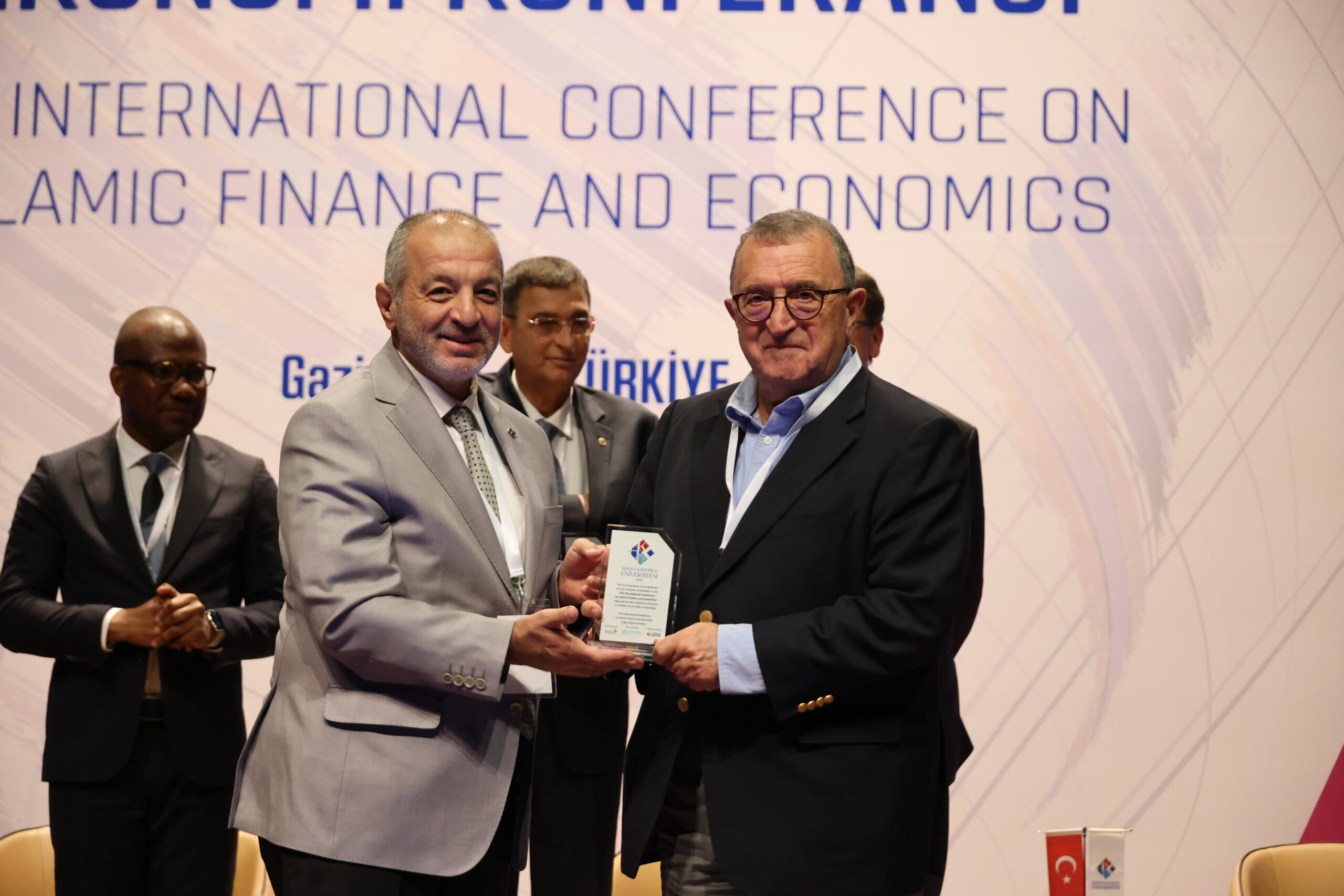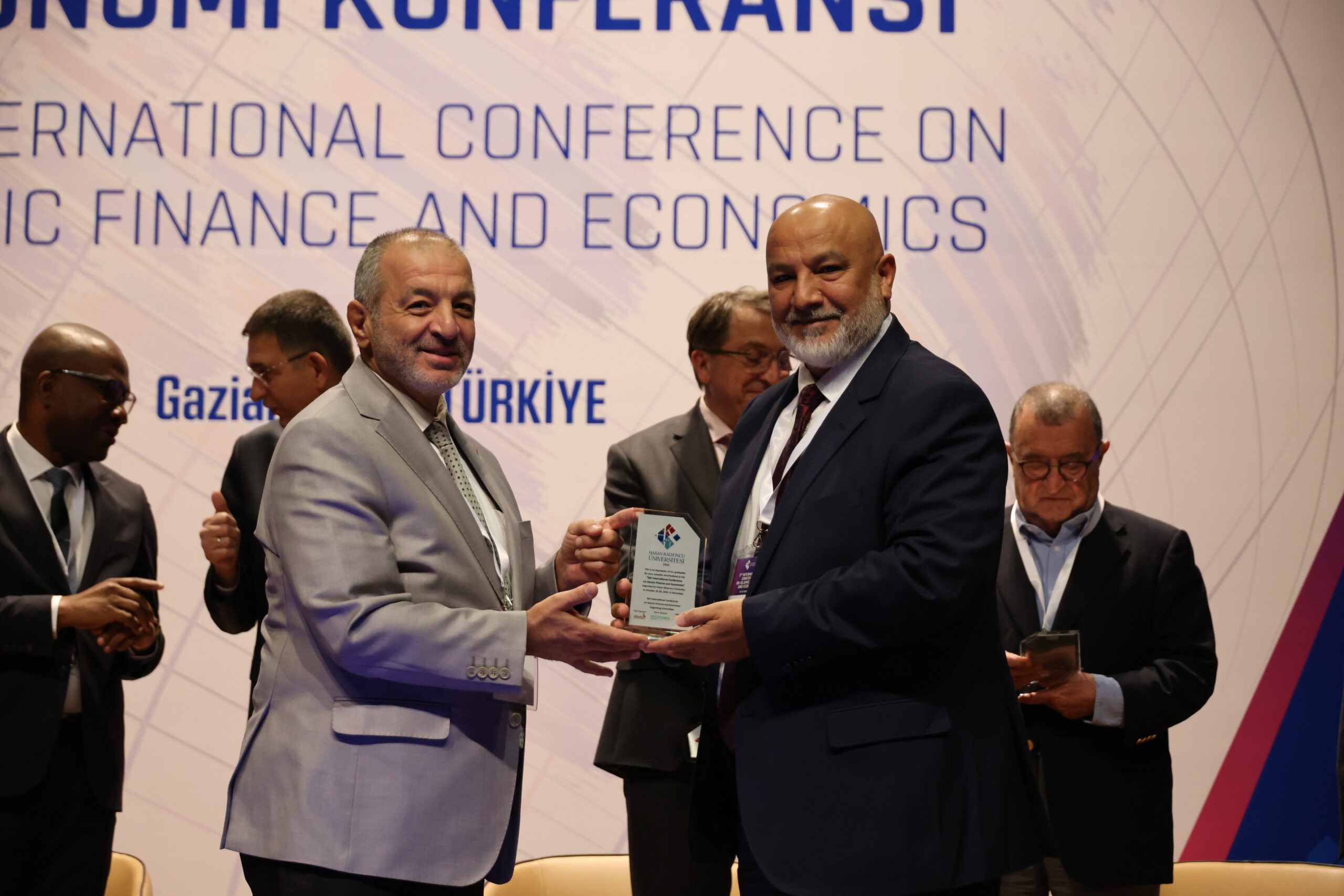
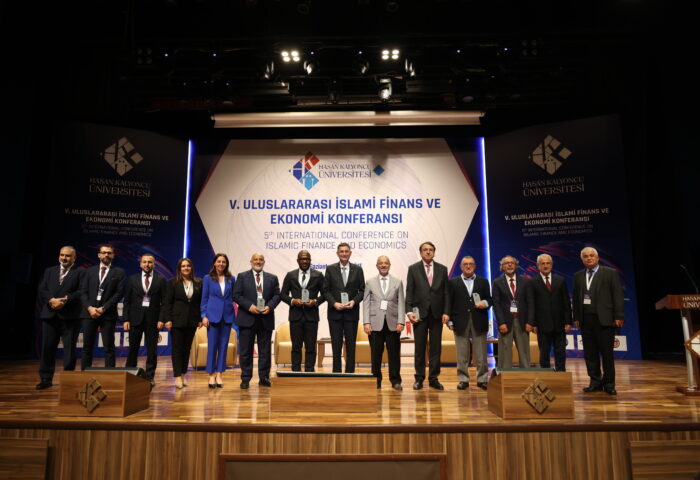

Organized by Hasan Kalyoncu University (HKU), the ‘5th International Islamic Finance and Economics Conference’ brought together 86 scholars from five different countries alongside top representatives from the industry’s leading institutions.
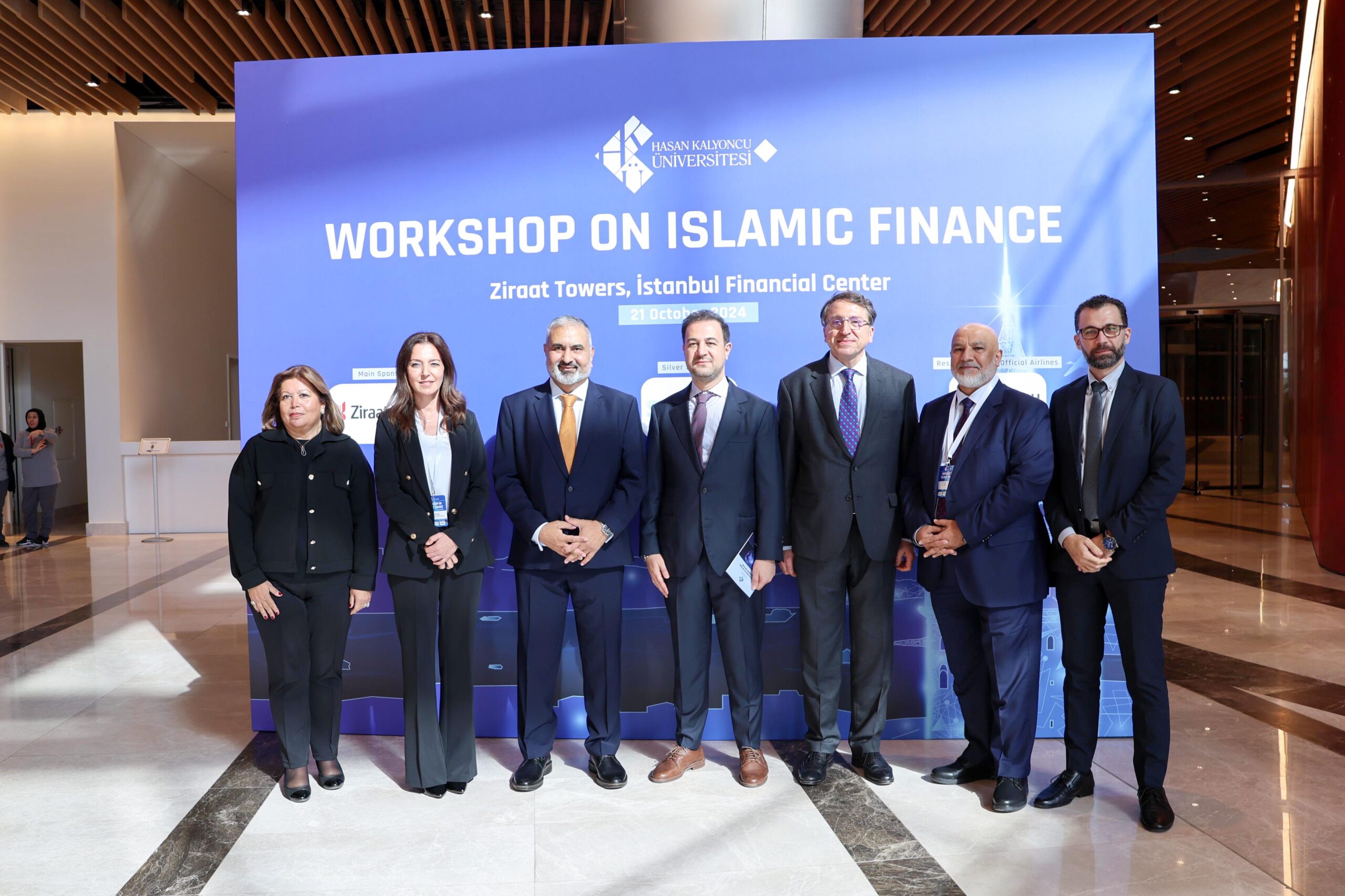
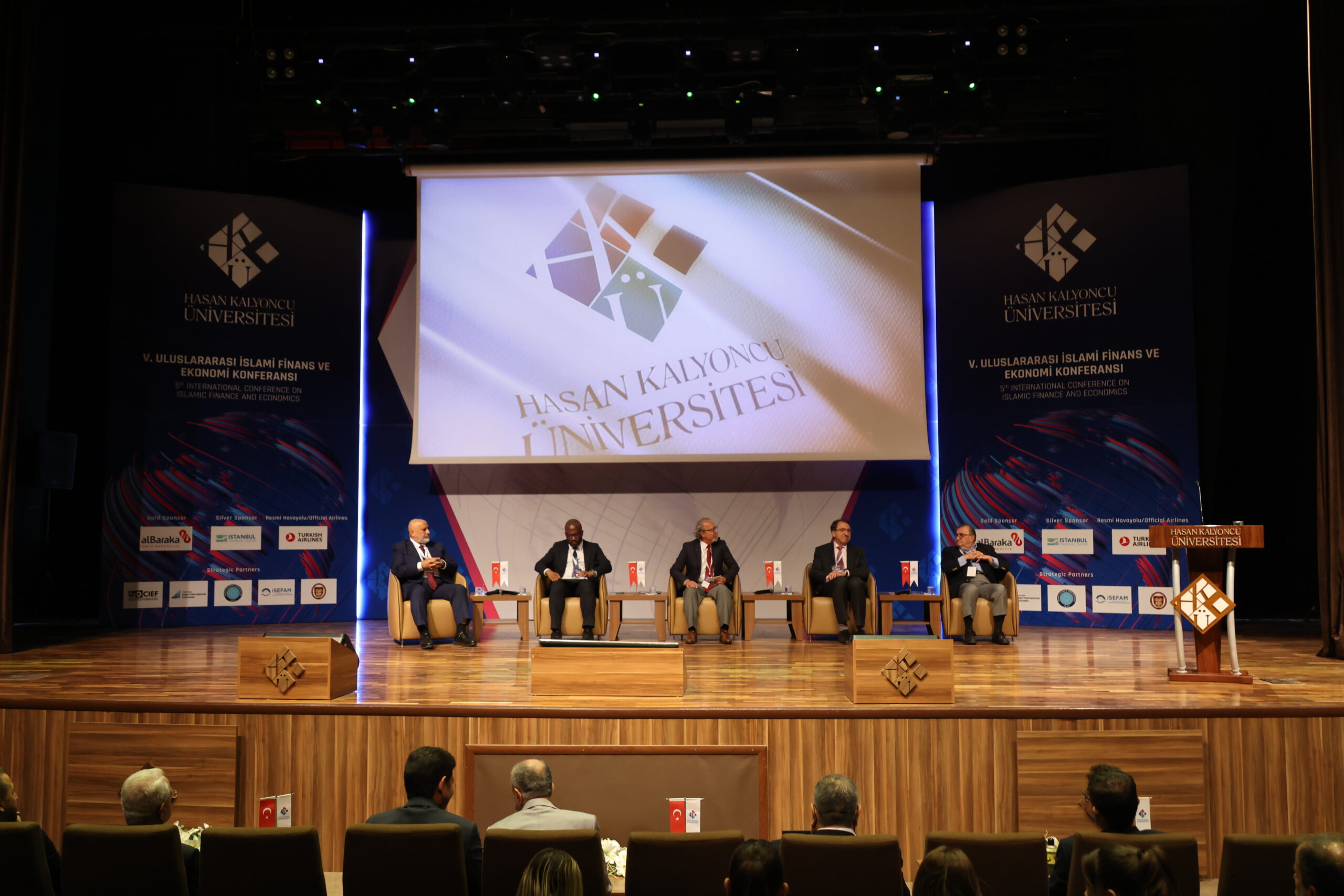
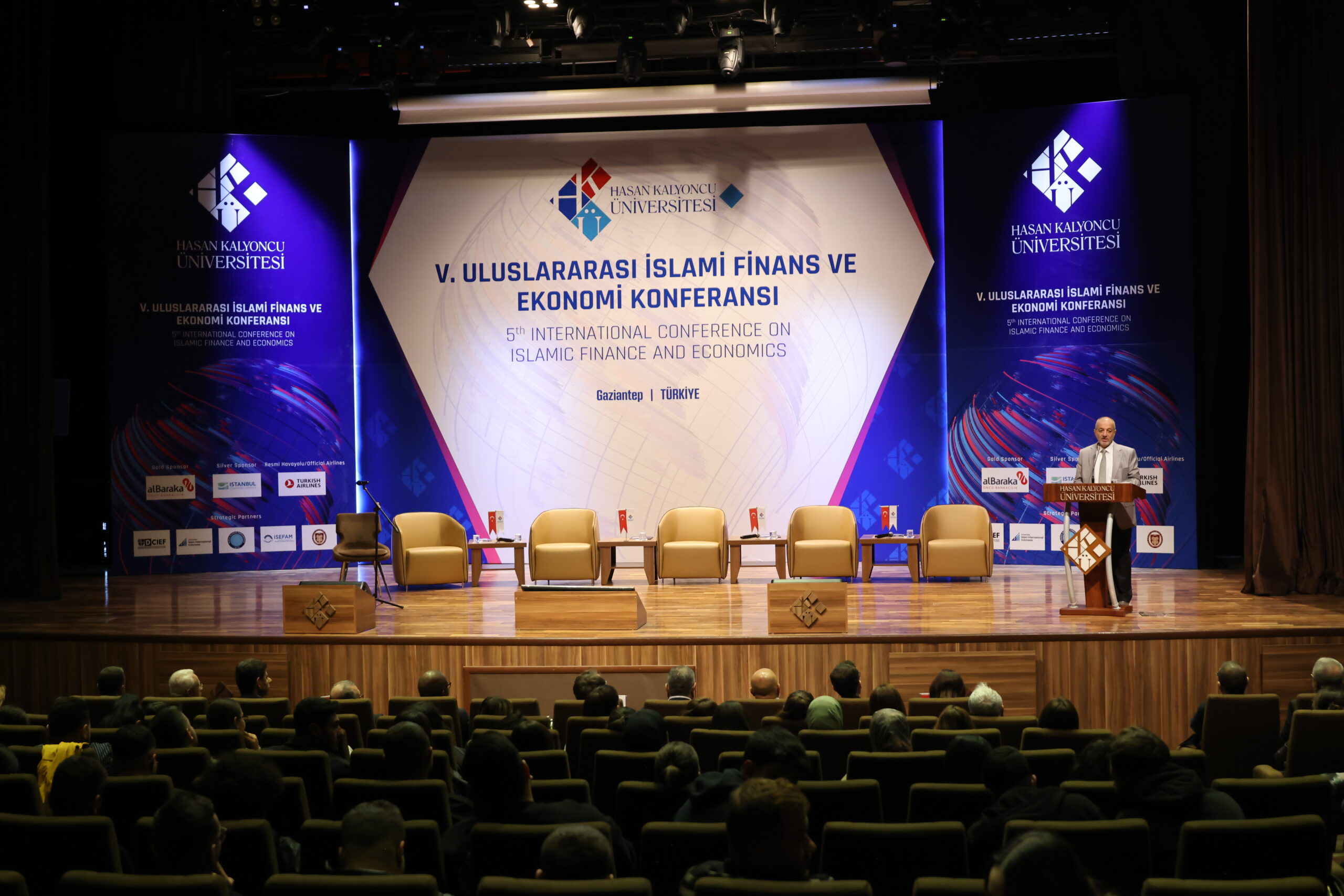
The conference commenced with the ‘International Islamic Finance Workshop’ in Istanbul, attended by Haluk Kalyoncu, Vice Chairman of the HKU Board of Trustees, and continued with panels and paper presentations at the HKU Congress and Culture Center in Gaziantep. Over three days, current topics in Islamic finance and economics were discussed.
Attendees at the opening ceremony included HKU Rector Prof. Dr. Türkay Dereli, Dean of the Faculty of Economics, Administrative, and Social Sciences Prof. Dr. Hanifi Aslan, Prof. Dr. Murat Çizakça, Prof. Dr. Mehmet Asutay, a faculty member at Durham University and Director of the Durham Centre for Islamic Economics and Finance, Chairman of the Gaziantep Chamber of Industry (GSO) Adnan Ünverdi, Conference Chair and HKU Economics Department faculty member Assoc. Dr. Yıldız Özkök, as well as protocol representatives, faculty members, and students.
We Will Continue Our Leadership in Islamic Finance and Economics
Addressing the participants at the workshop, HKU Vice Chairman of the Board of Trustees, Haluk Kalyoncu, stated, “We embrace and support scientific approaches in the field of Islamic finance and economics. I am confident that our university’s researchers will continue to lead in this area. These academic events that we organize in Islamic finance and economics strengthen our university’s mission in this field. I would like to thank everyone who contributed to the field and our conference, as well as all the participants. In particular, I would like to convey to our international participants that HKU’s efforts to enhance its influence in the field of Islamic finance and economics will continue with full momentum.”
We Are Dedicated to Training Skilled Professionals in Economics and Finance
Rector Prof. Dr. Türkay Dereli emphasized the importance of the conference, which was attended by top representatives and relevant organizations in the field, saying, “At Hasan Kalyoncu University, we are committed to providing education and training that meets our country’s need for qualified professionals in economics and finance. We continue our educational and research activities in this field with great care. In this context, we focus on solution-oriented projects for challenges faced by the business world and organize scientific events that guide investors and managers. At the 5th International Islamic Finance and Economics Conference, we have brought together 86 esteemed scholars from five different countries and prominent industry representatives to discuss topics like digital economy, sustainable development, and their impacts, which will shape the future of Islamic finance and economics. The presentations, keynote speeches, and panel discussions will fill a significant gap in the literature and add value to the field.”
The Conference Will Contribute to Opening New Horizons
Prof. Dr. Mehmet Asutay, faculty member at Durham University and Director of the Durham Centre for Islamic Economics and Finance, expressed his satisfaction with attending the conference for the third time, stating, “I am very pleased to participate in this conference for the third time. This event is the result of efforts to explore what can be done academically and practically in the field of Islamic finance, particularly in Gaziantep and the region. I believe this conference will contribute to the formation of new ideas and perspectives, take significant steps towards the future of Islamic finance, and open new horizons.”
Muslim Countries Have a Vast Trade Volume
Adnan Ünverdi, Chairman of the Gaziantep Chamber of Industry (GSO), stated, “In today’s world, where the economy is the most decisive factor, Muslim countries have a vast trade volume. This strength should be carried further, and collaboration should be increased. Internationally, as Islamic countries, if we can foster unity in Islamic finance through a win-win approach, we can contribute to one another.”
We Will Address the Future of Islamic Finance
Conference Chair and HKU Economics Department faculty member Assoc. Dr. Yıldız Özkök highlighted, “In this conference, where we will explore the future of Islamic finance in the context of the digital economy and sustainable development, we also aim to offer alternative solutions for investors with sensitivities towards interest-free finance.”
During the conference, Senior Islamic FinTech Specialist Dr. Moutaz Abojeib discussed the role of fintech in Islamic finance, focusing on how technology can enhance customer needs and improve operational efficiency. Dr. Farrukh Raza, CEO of IFAAS Group and Chairman of the AAOIFI Governance and Ethics Board, explained the importance of corporate governance structures in ensuring transparency, accountability, and the protection of stakeholder interests. Dr. Umar A. Oseni, Secretary General of the Organization of Islamic Cooperation and Arbitration Center, emphasized the critical importance of liquidity management in the global economy and its role in supporting the functioning of financial markets. Dr. Kamran Sherwani, Head of Internal Ethics Control and Secretary of the Audit Committee at SGD Academy, addressed liquidity management challenges faced by Islamic financial institutions.
The Islamic Finance Workshop held prior to the conference, led by experts in the field, provided participants with in-depth knowledge on topics such as the digital economy, liquidity management, sukuk structuring, and pricing. In two sessions—academic and sectoral panels—academics and industry representatives discussed various subjects including “Macroeconomic Effects of Takaful,” “Behavioral Economics from an Islamic Perspective,” “Islamic Economics for Sustainable Development,” “Tax Justice in Modern Turkey According to Islamic Principles,” “Impact of Digital Applications on Job Satisfaction and Performance of Accounting Professionals,” and “Differences Between the Operating Methods of Conventional and Participation Banks in Turkey.”