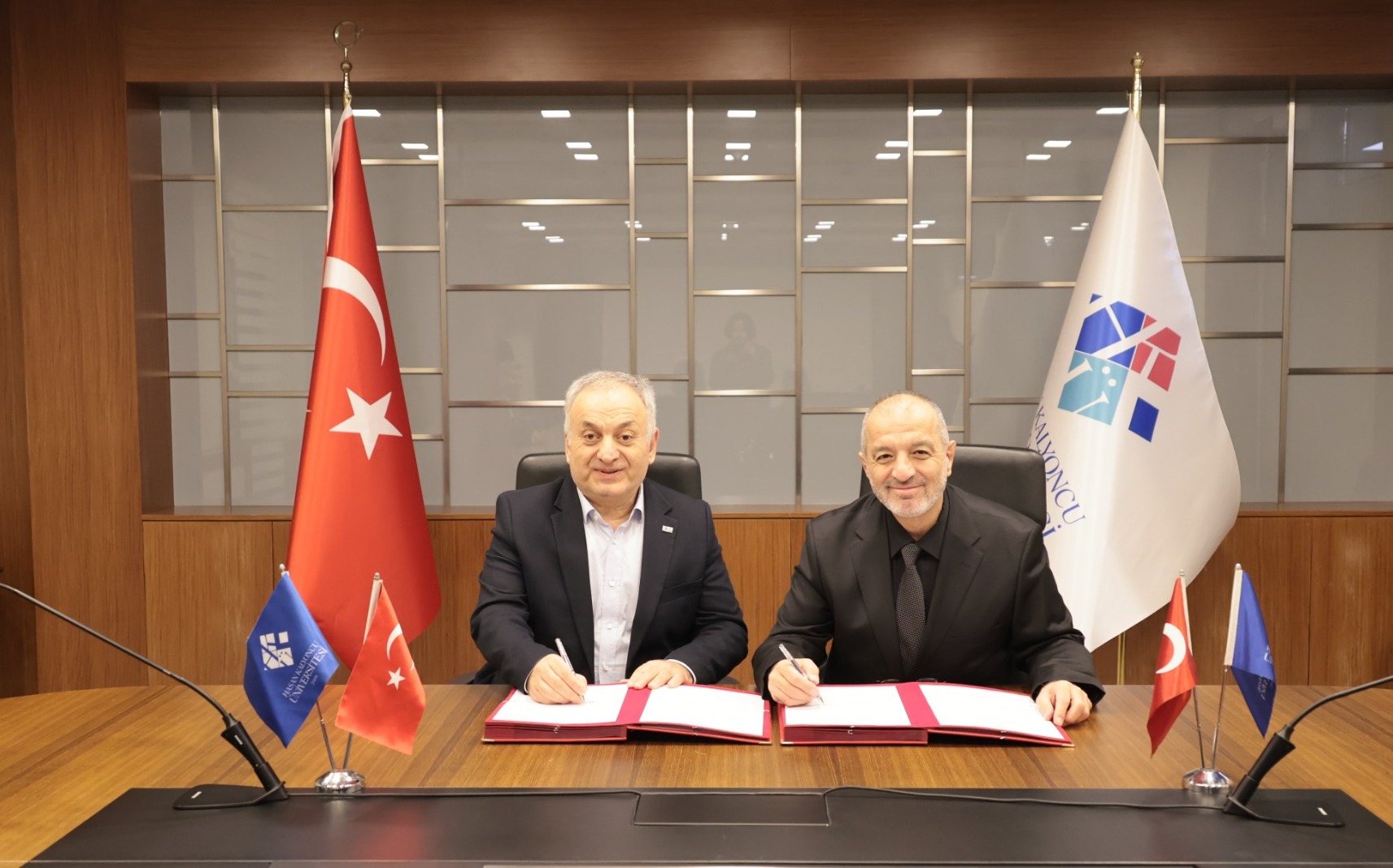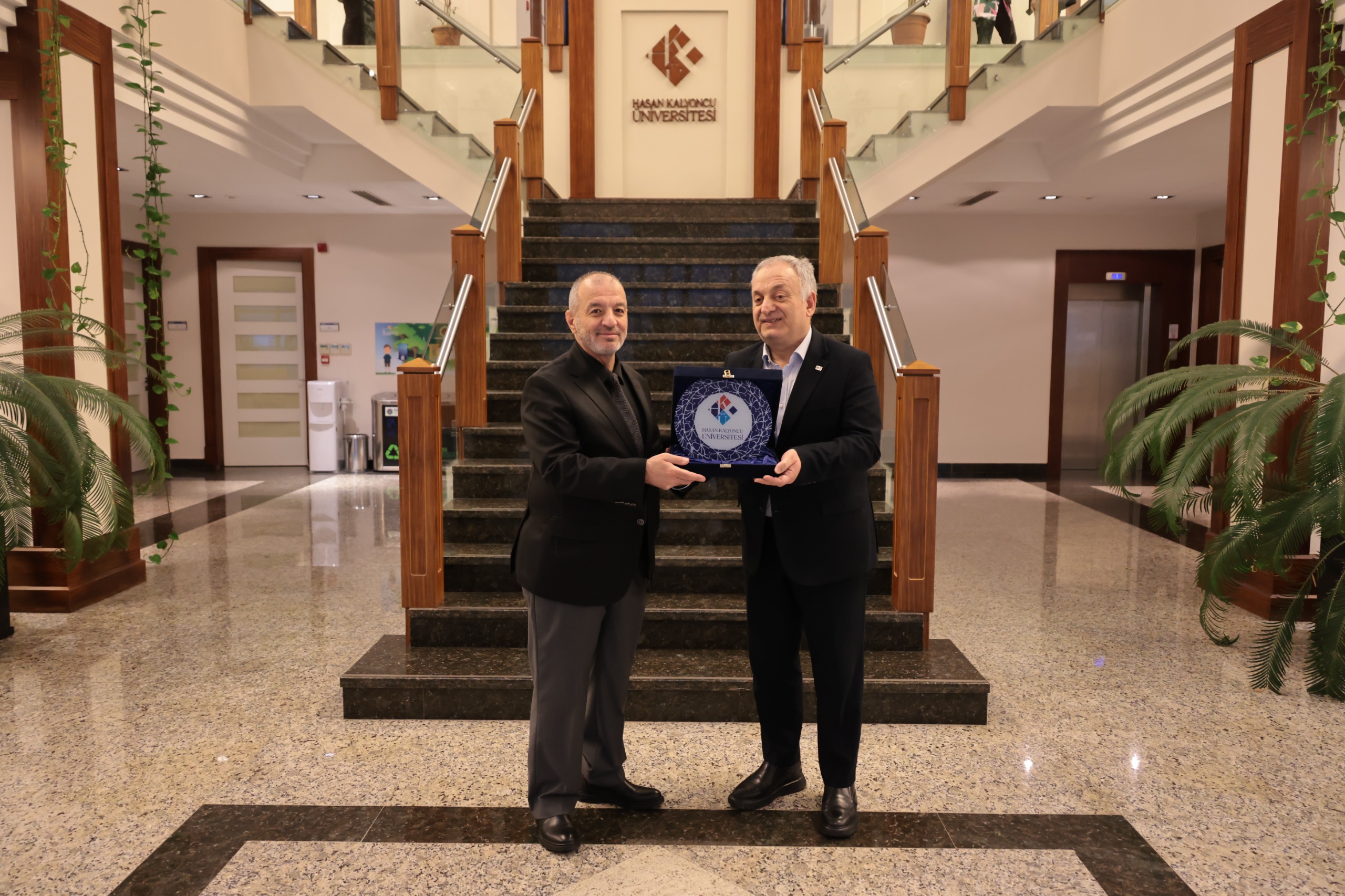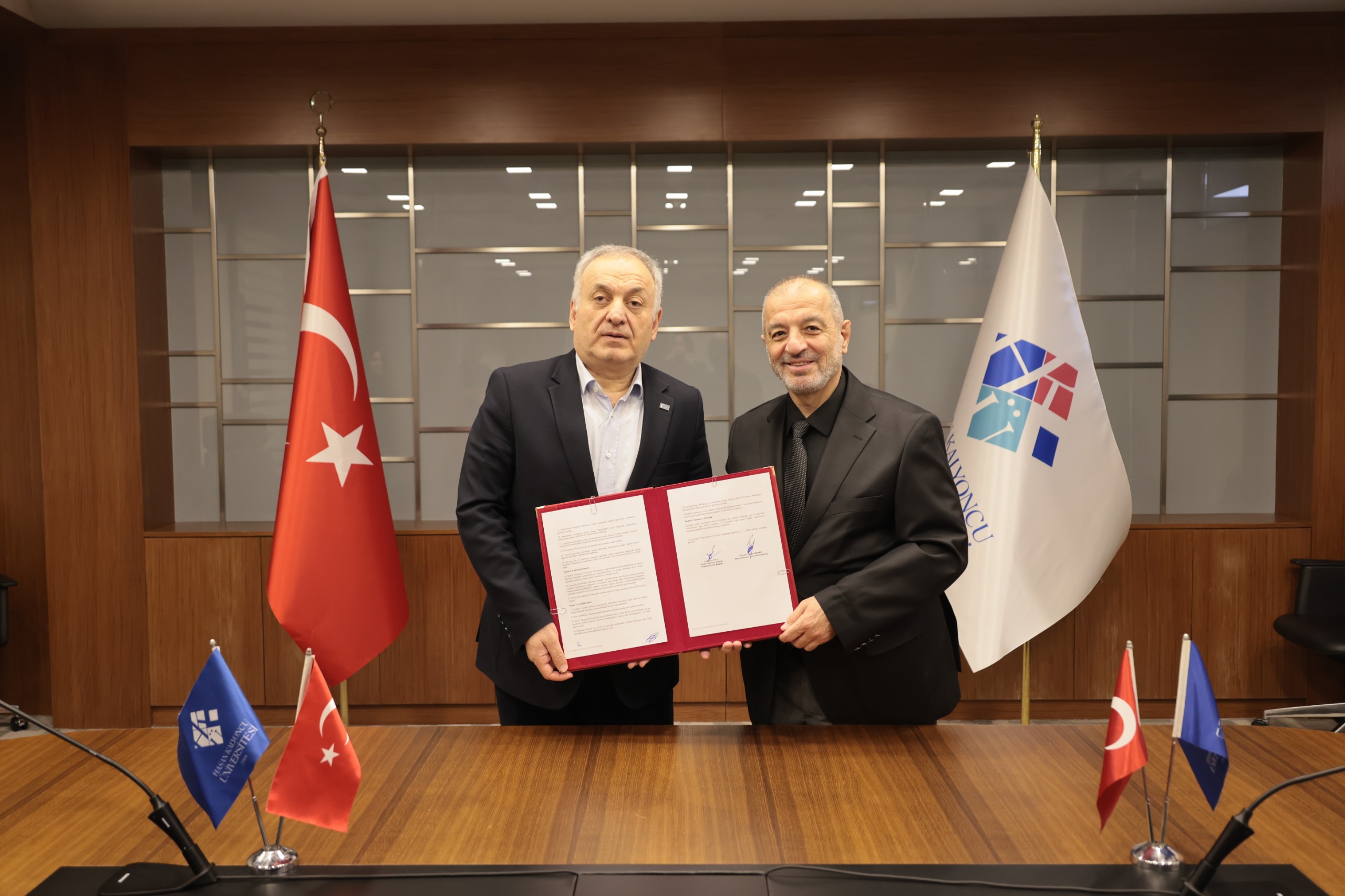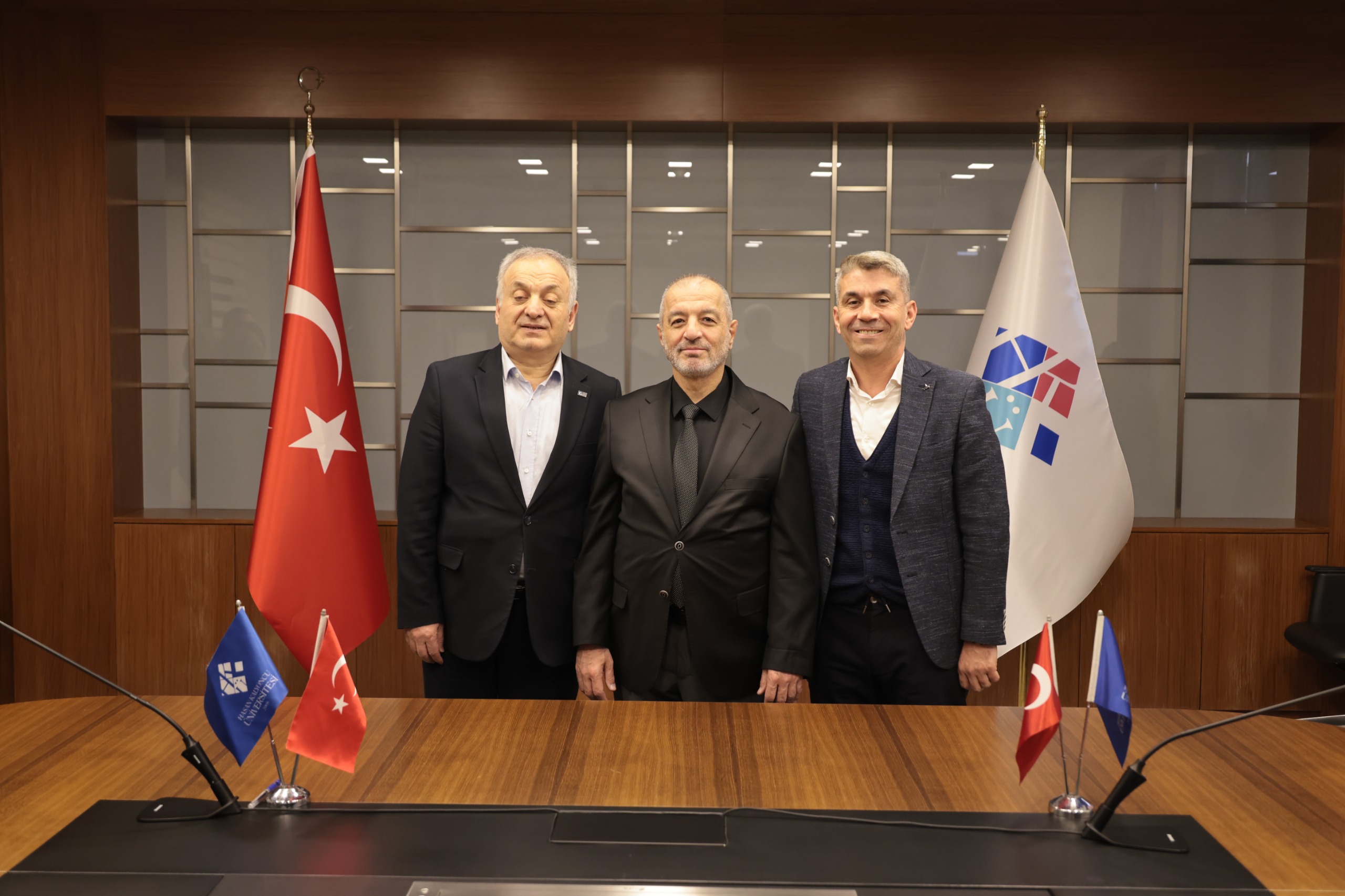
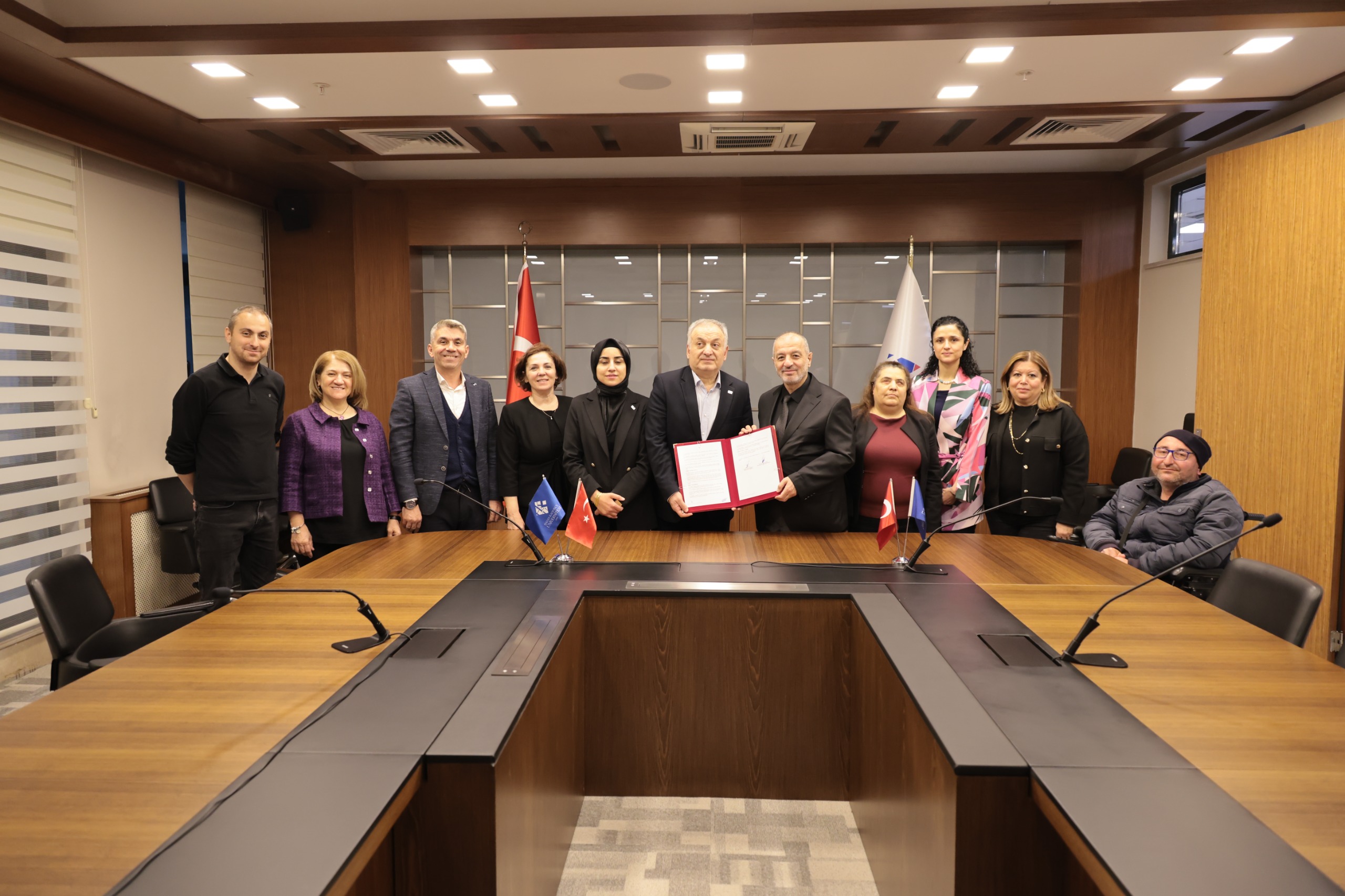
A cooperation protocol was signed between Hasan Kalyoncu University (HKU) and the Turkish White Crescent Association (Türkiye Beyazay Derneği), aiming to support education, research and career planning processes for all individuals with disabilities arising from physical, mental and chronic illnesses.
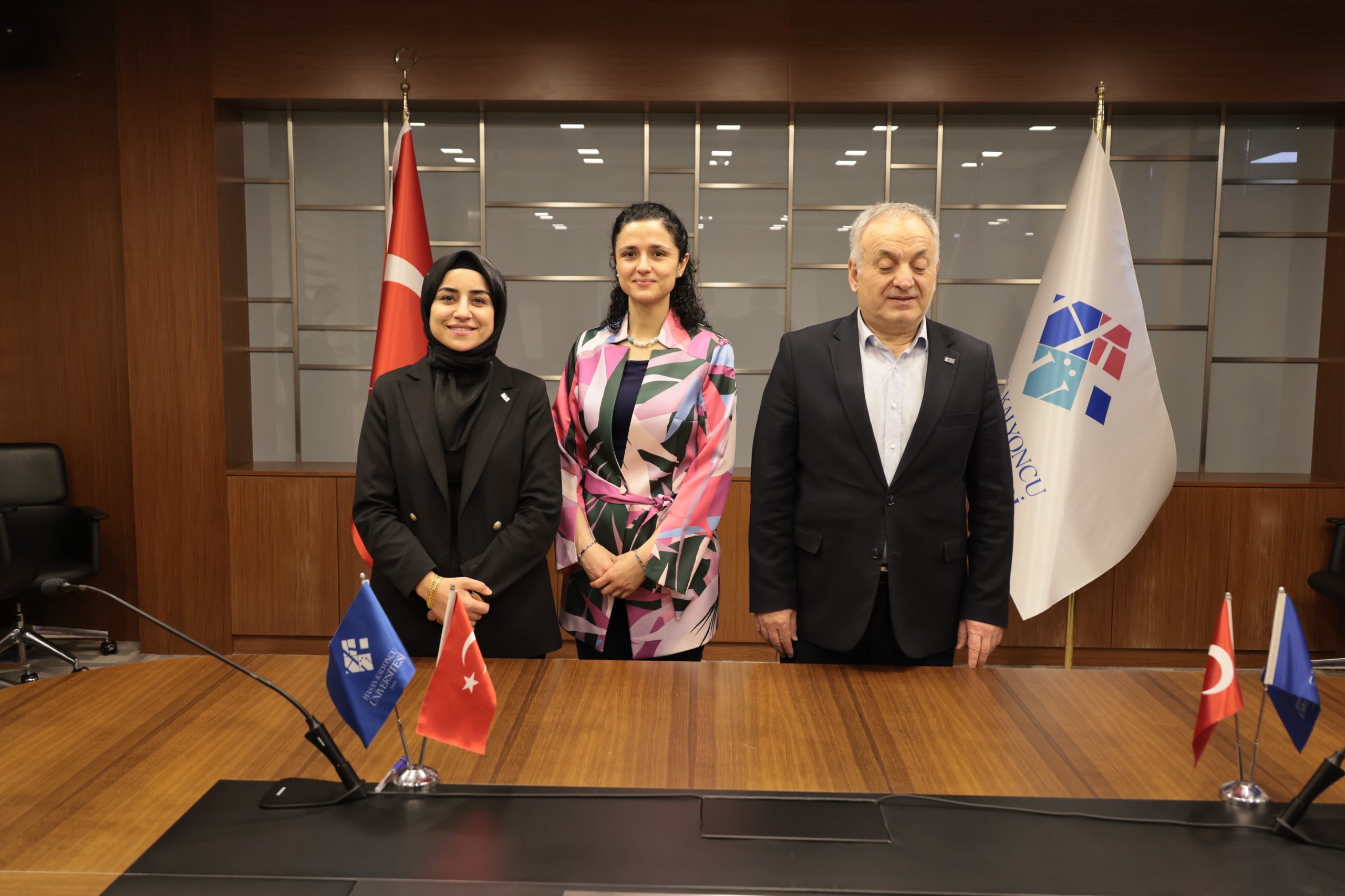
The signing ceremony, held at Hasan Kalyoncu University, was attended by HKU Rector Prof. Dr. Türkay Dereli, HKU Vice Rectors Prof. Dr. Mehmet Lütfi Yola and Prof. Dr. Gül Rengin Küçükerdoğan, HKU Dean of the Faculty of Education Prof. Dr. Latife Özaydın, HKU Dean of the Faculty of Health Sciences Prof. Dr. Kezban Bayramlar, Chair of the Board of the Turkish White Crescent Association Lokman Ayva, Deputy Chair Belkıs Erdinç Ayaz, and Asst. Prof. Dr. Emine Erden, Coordinator of the HKU Students with Disabilities Unit and Head of the Department of Special Education Teaching.
“We Will Work to Ensure Full, Effective and Equal Participation in Higher Education, with an Understanding of Accessibility in Education”
Speaking at the signing ceremony, HKU Rector Prof. Dr. Türkay Dereli emphasised the importance of equality of opportunity in education and said, “As Hasan Kalyoncu University, we act with an understanding that supports all individuals receiving an education under equal conditions. Through this protocol, with the social and academic work that our university and the Turkish White Crescent Association will carry out jointly, we aim to ensure the full, effective and equal participation of every student in higher education. This cooperation will be an important step in terms of social contribution, not only for our university but for all segments of society. I wish our protocol every success, and I thank Mr Lokman Ayva, Chair of the Board of the Turkish White Crescent Association, for his interest and support in this process.”
The cooperation protocol covers many areas, such as developing education, research, technology, product and service infrastructures for people with physical, emotional, psychological and mental differences; awareness activities; cooperation with student societies and non-governmental organisations; partnership in national and international project applications; accessibility work; and providing material and moral support to related academic studies.