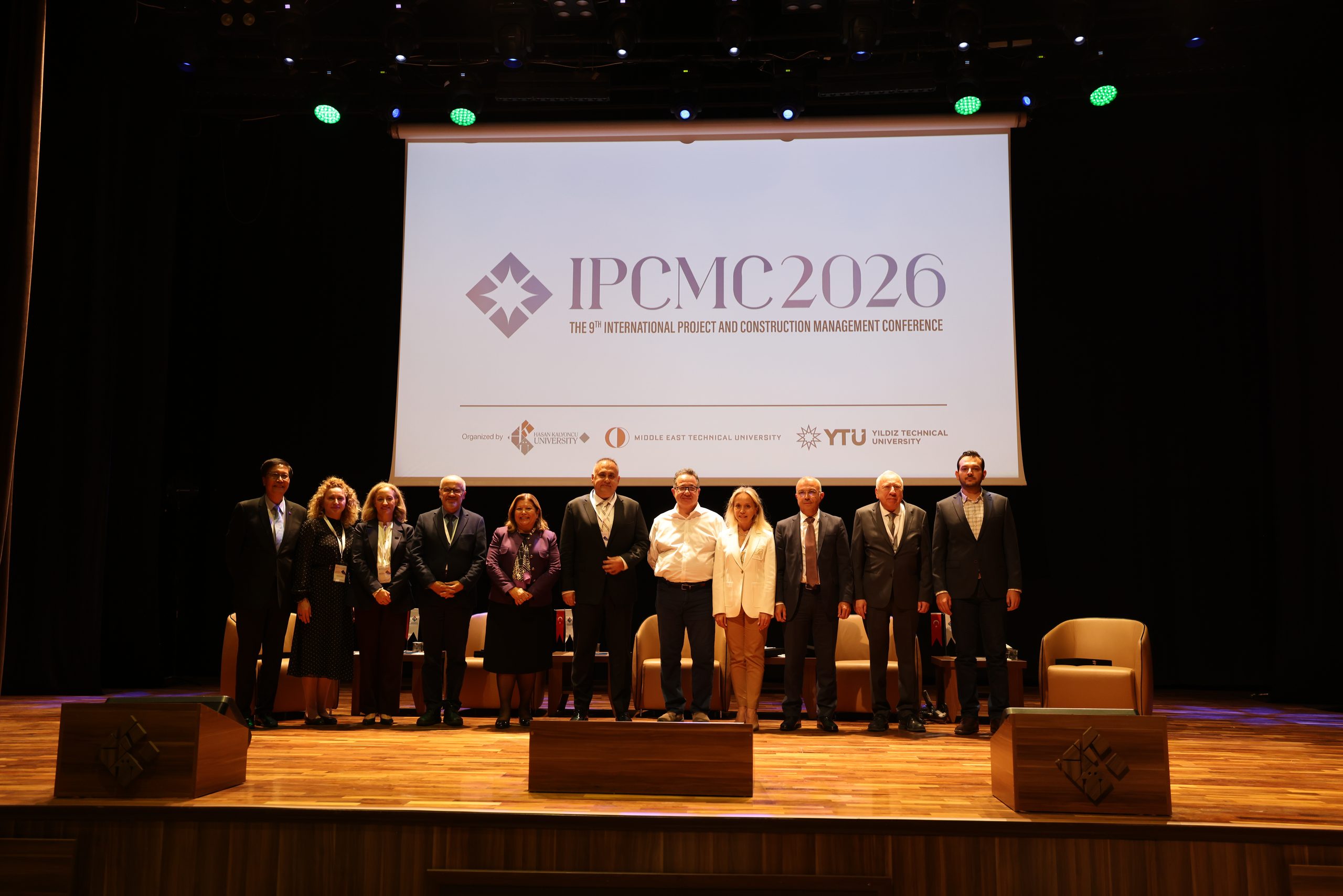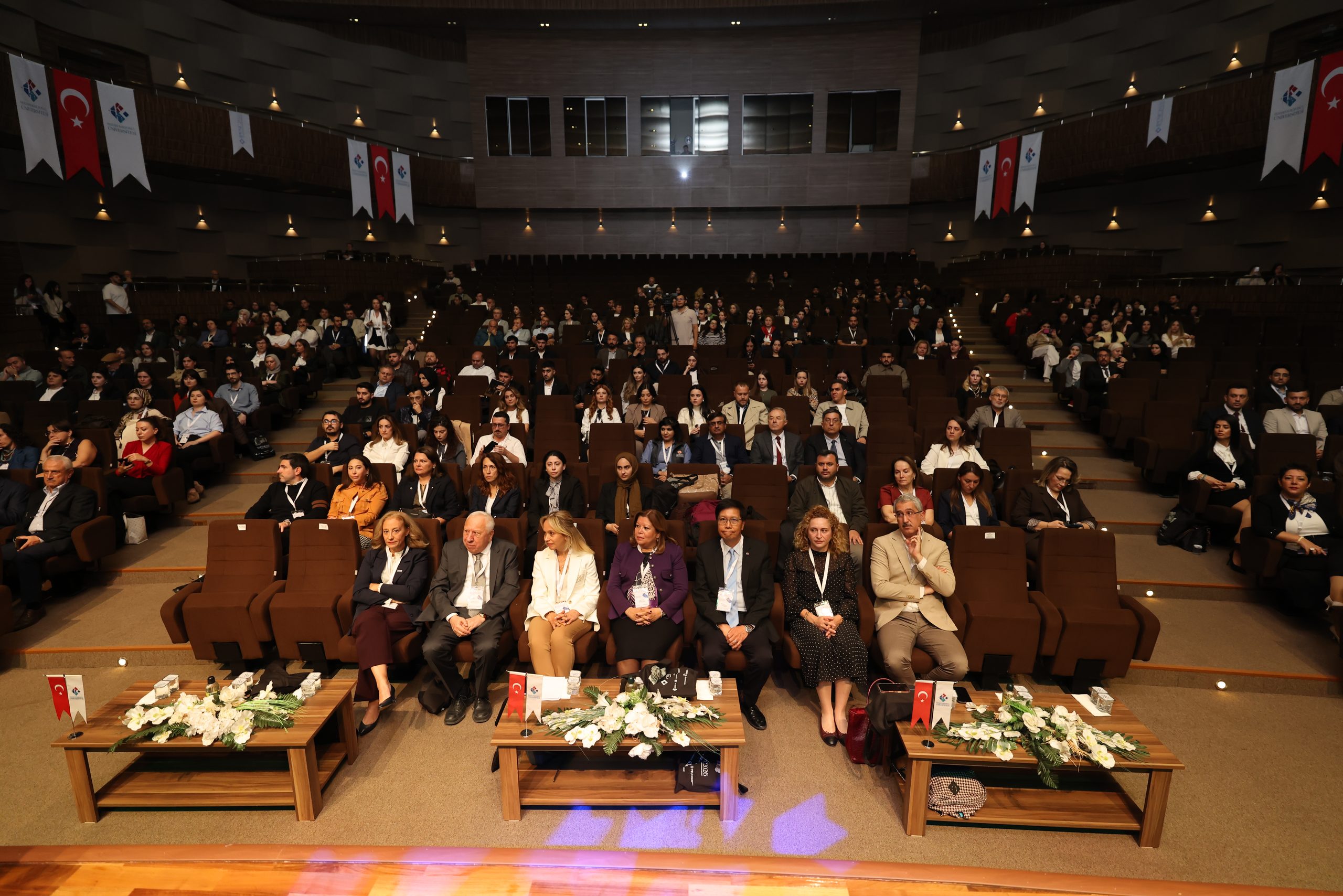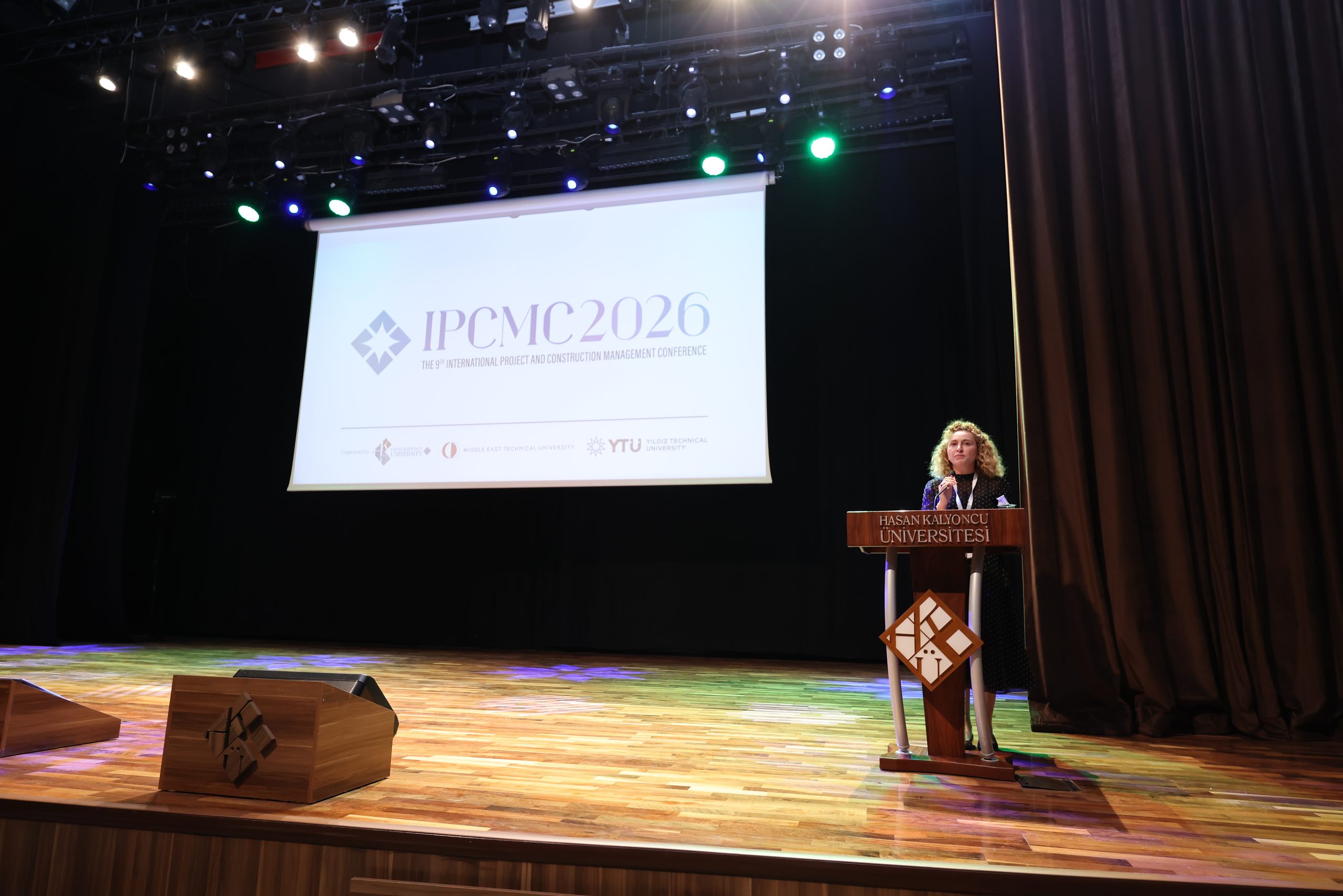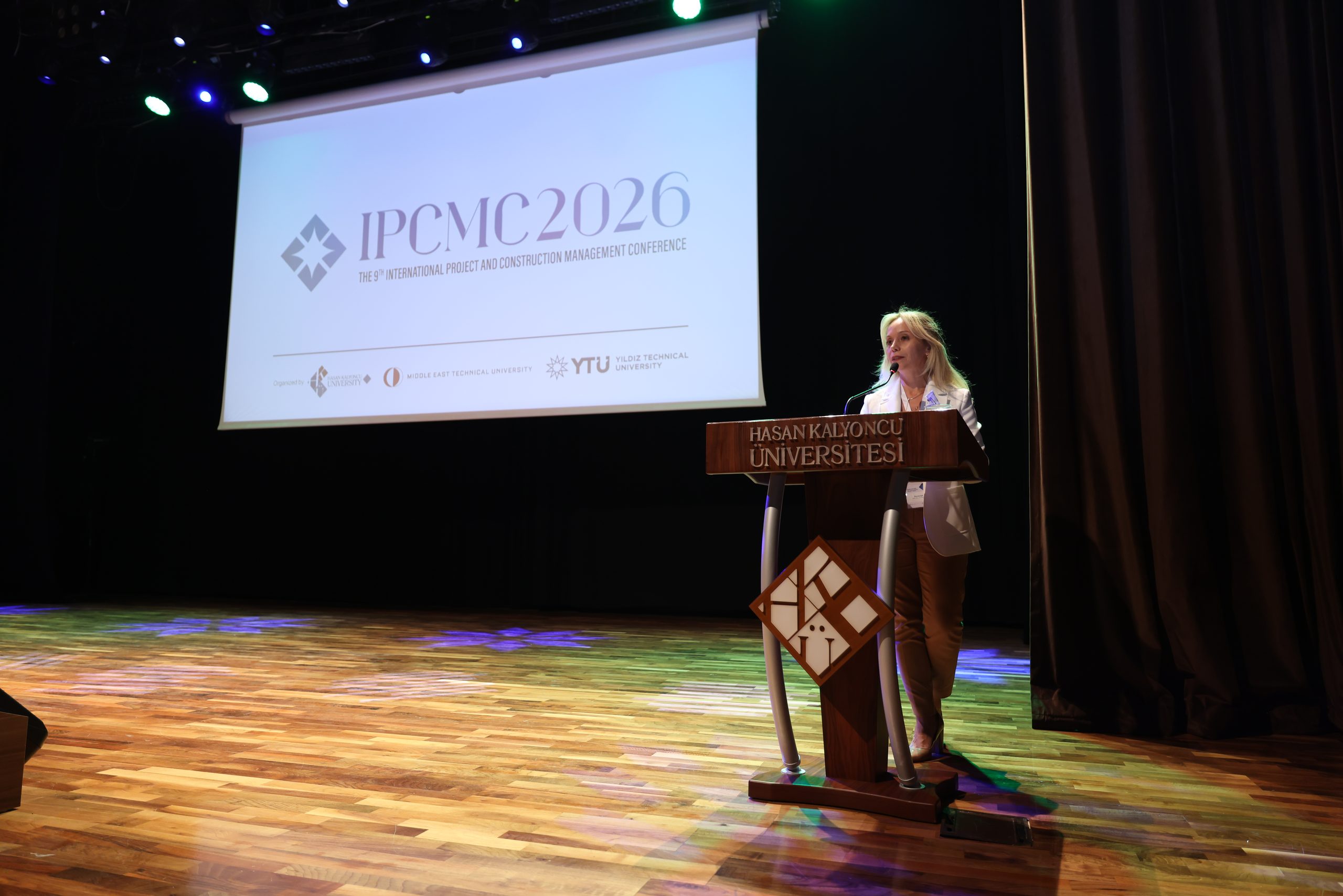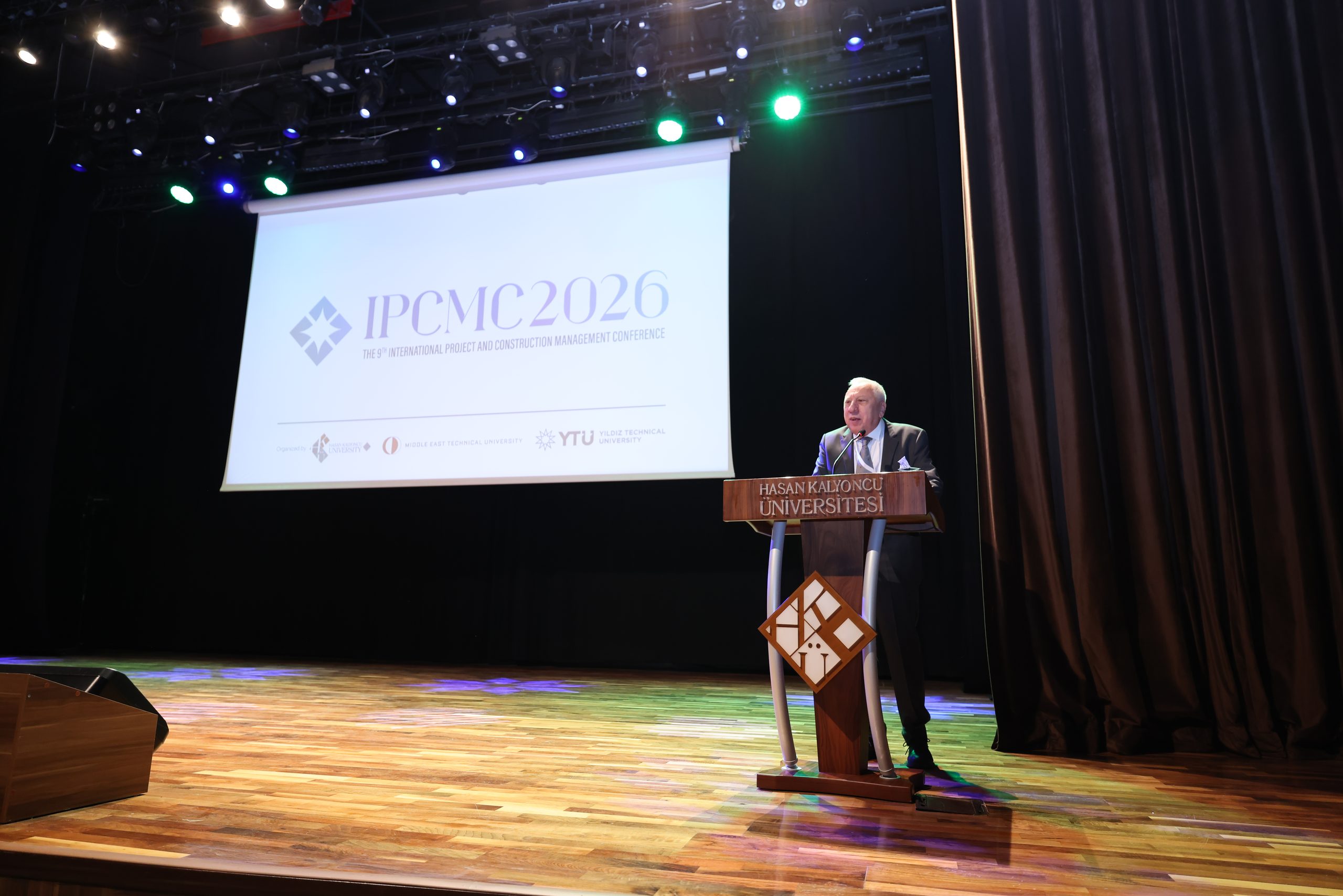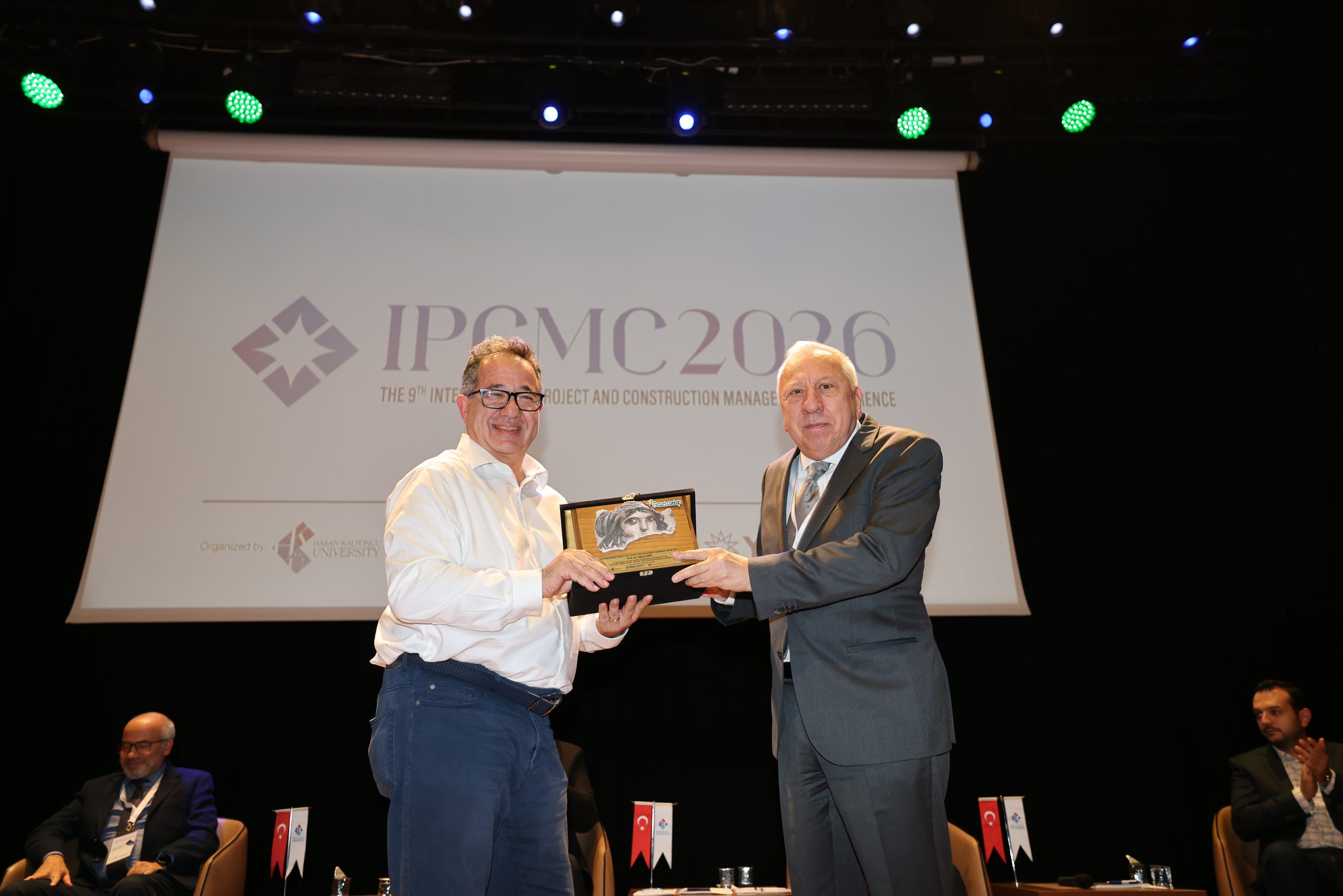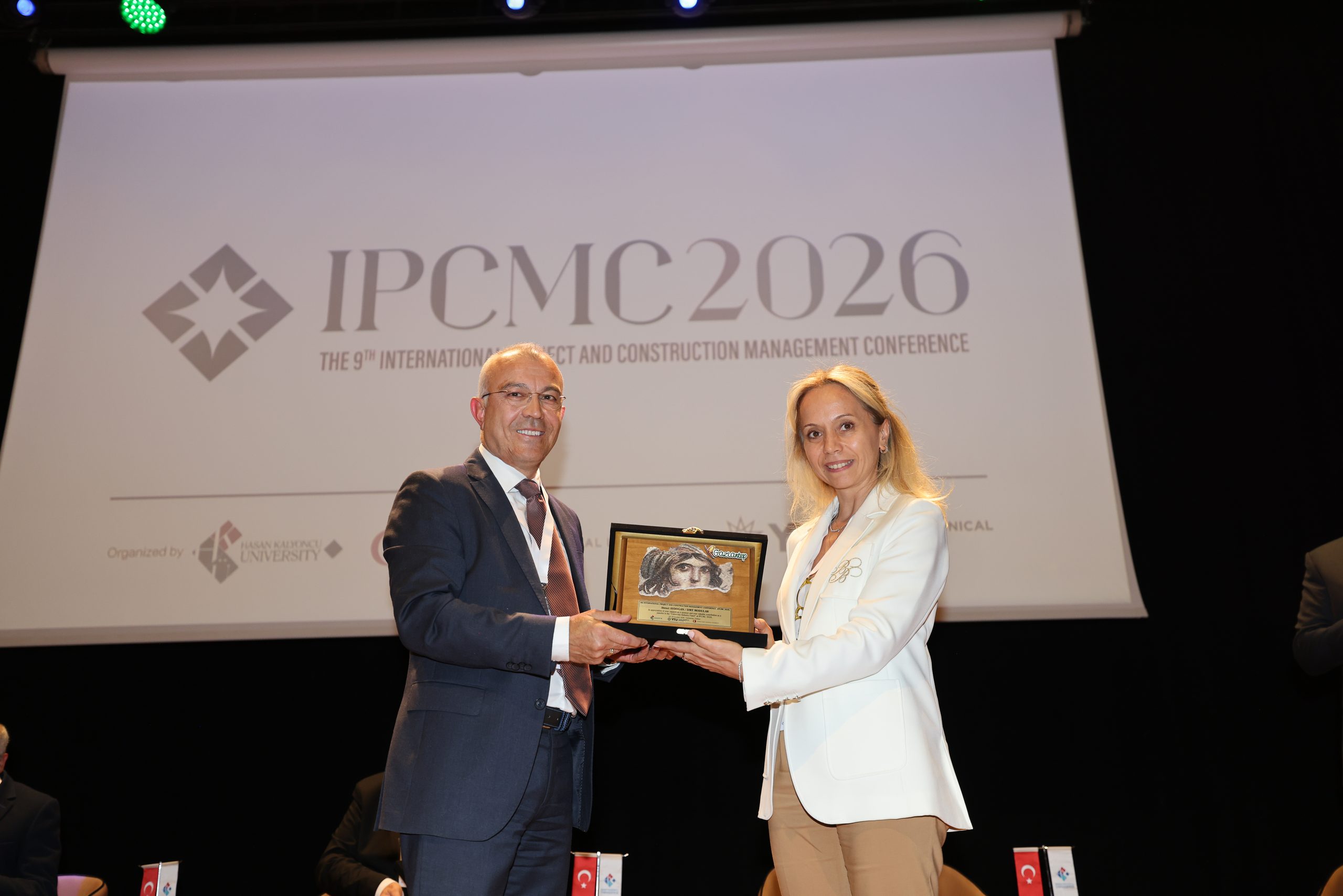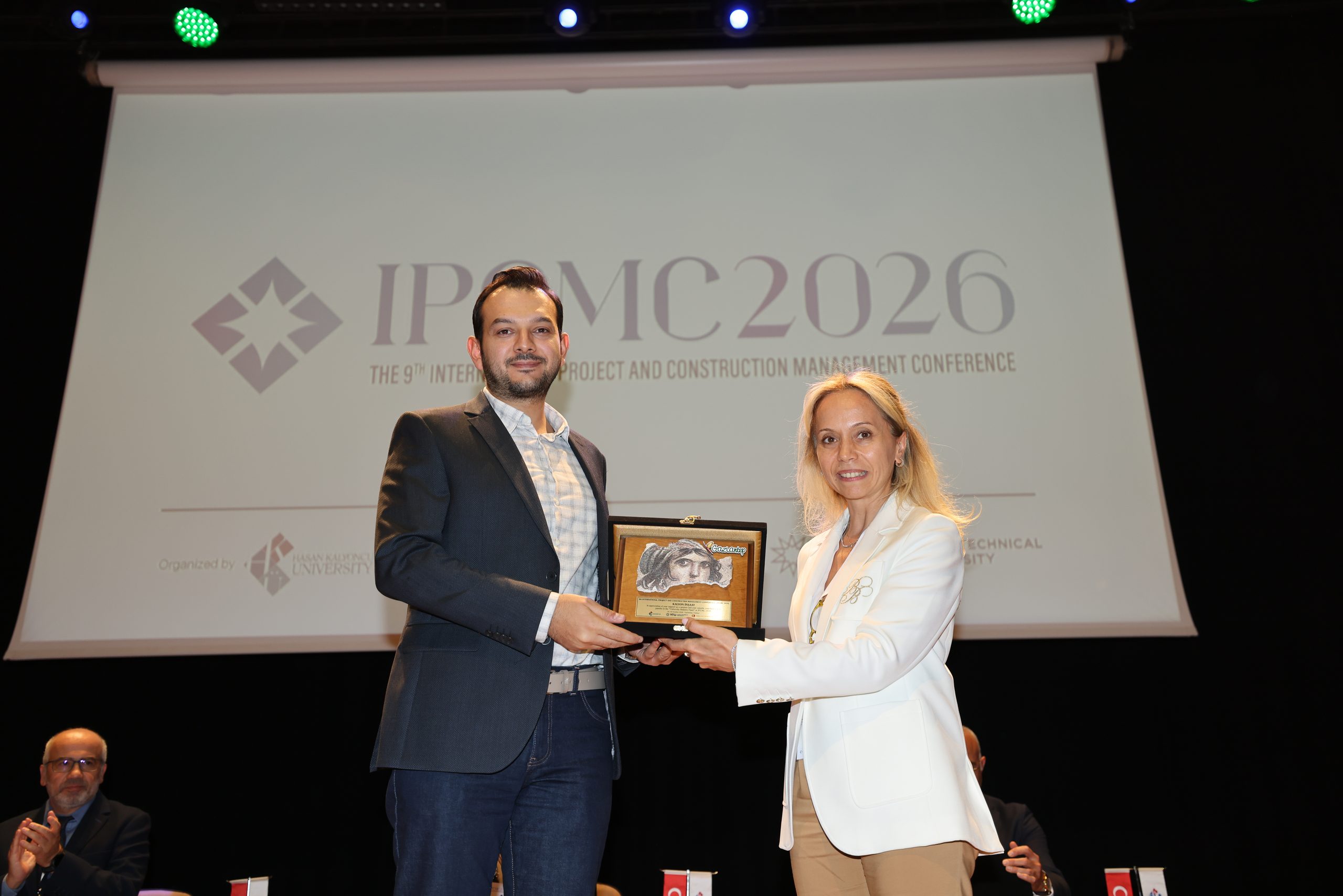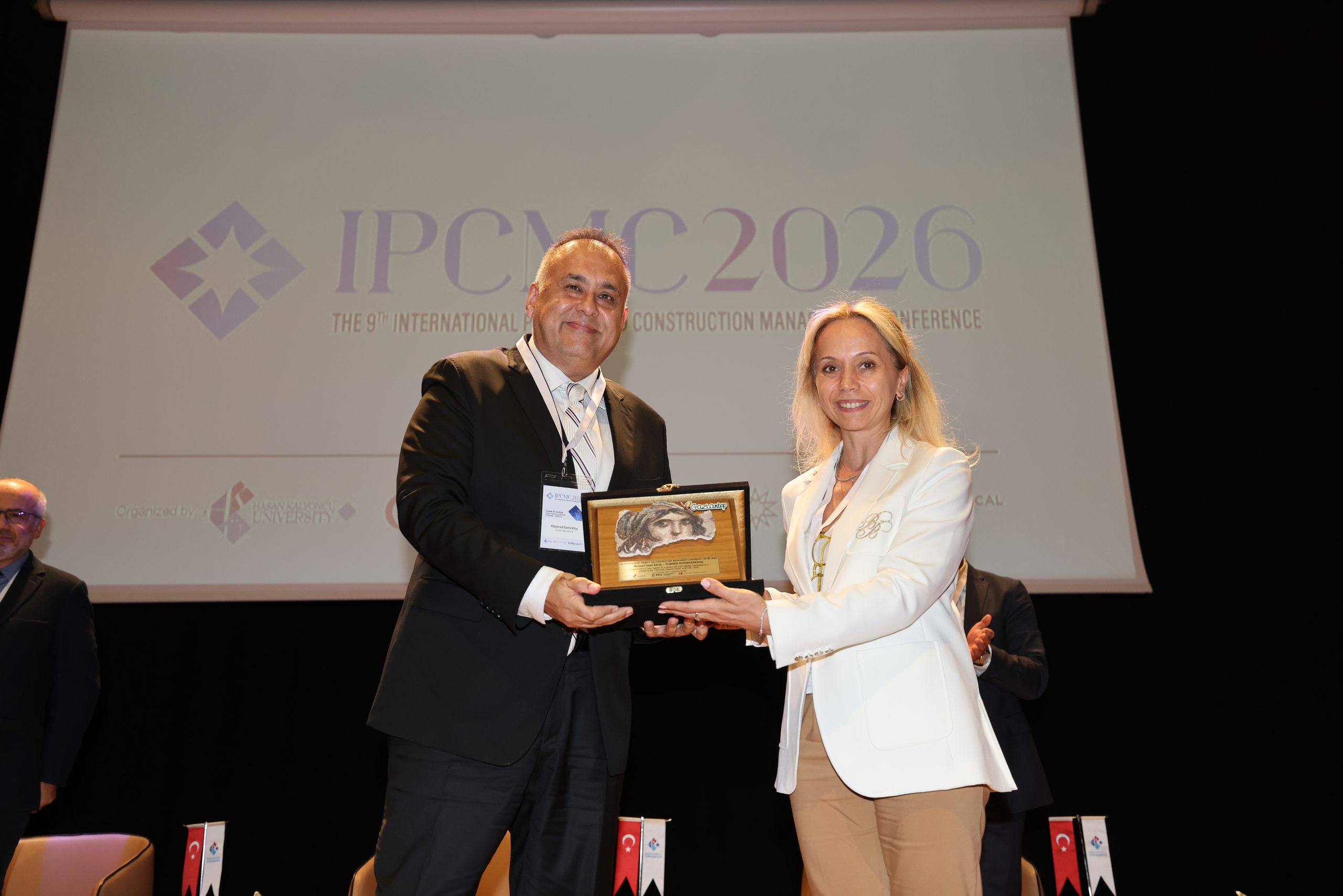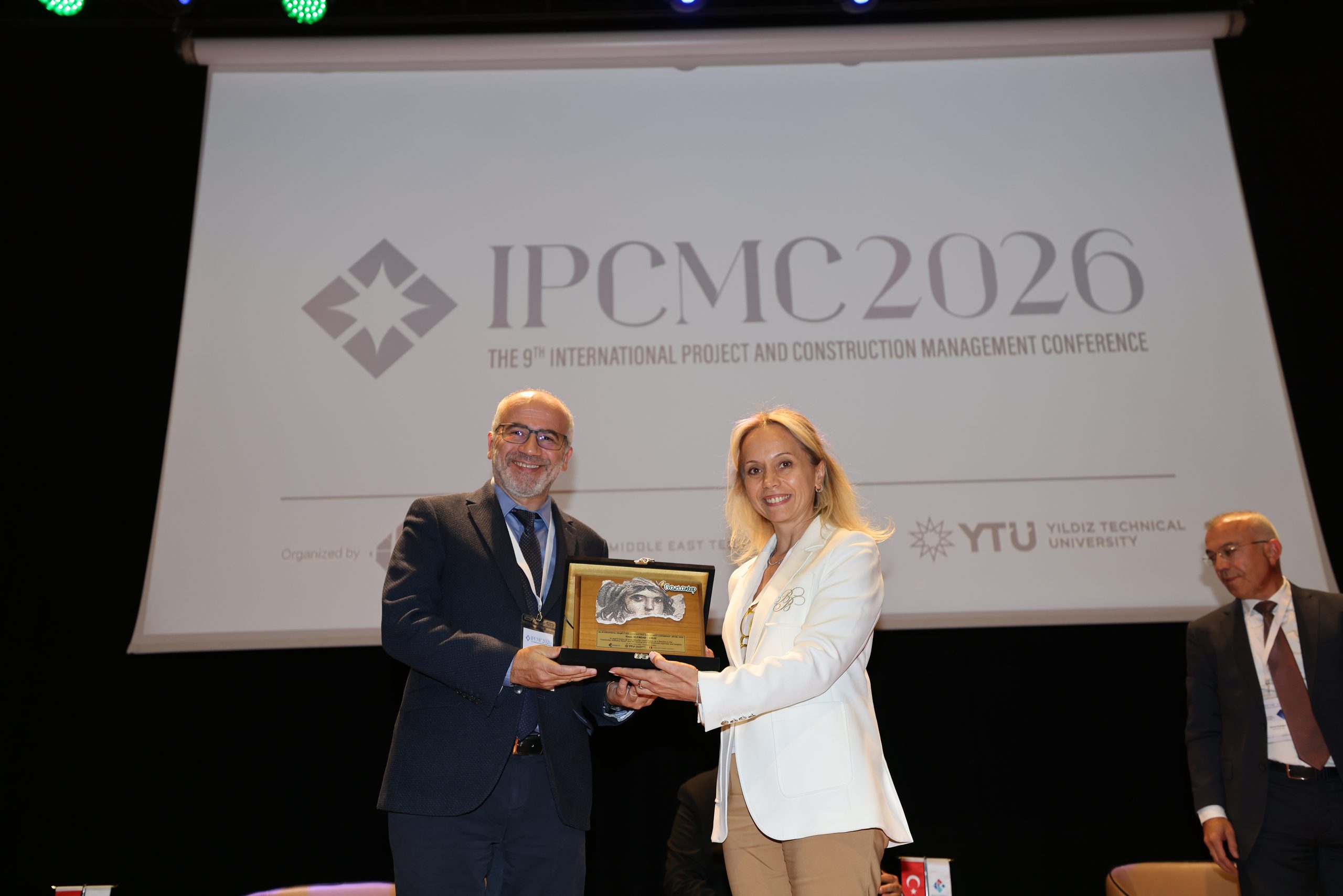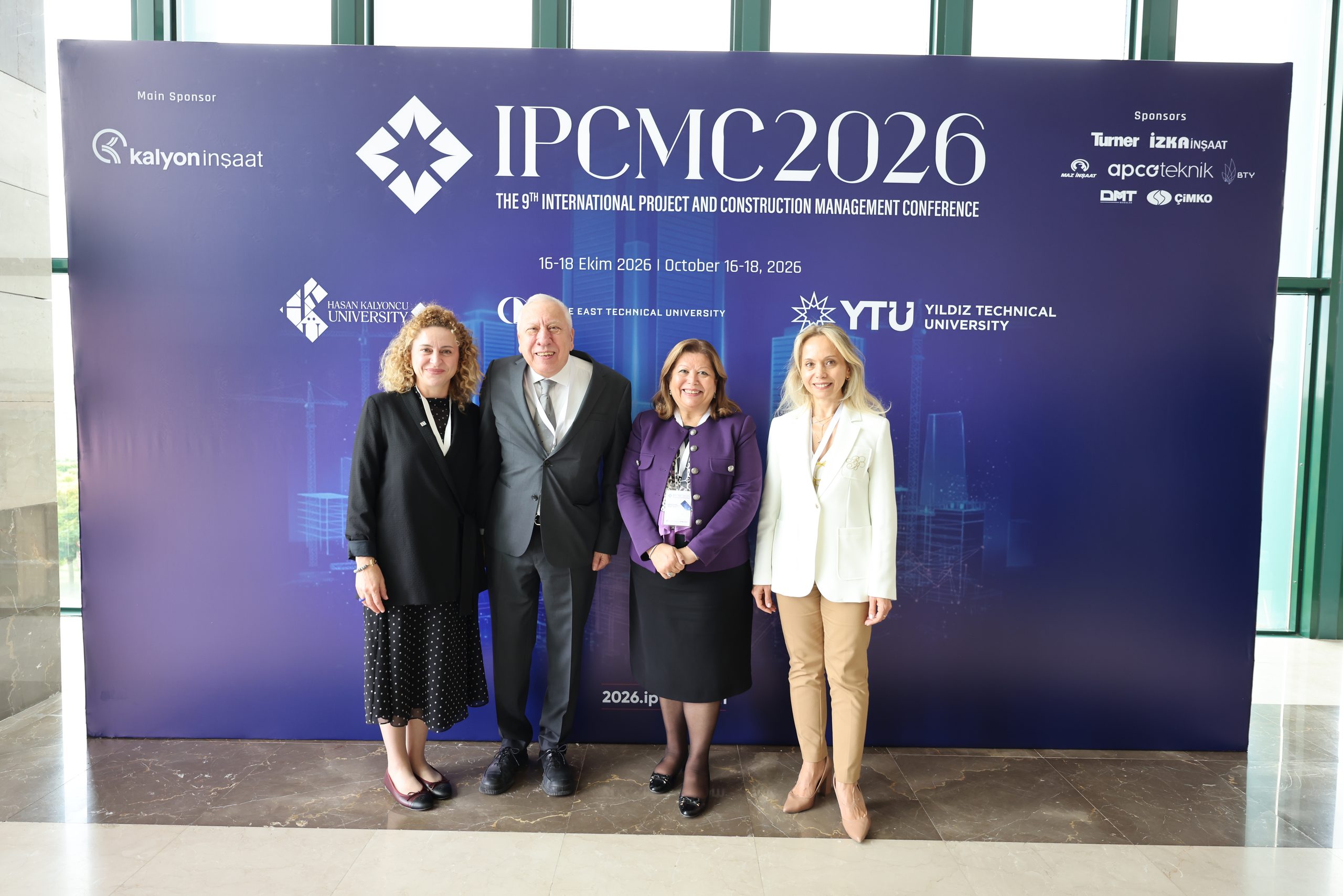
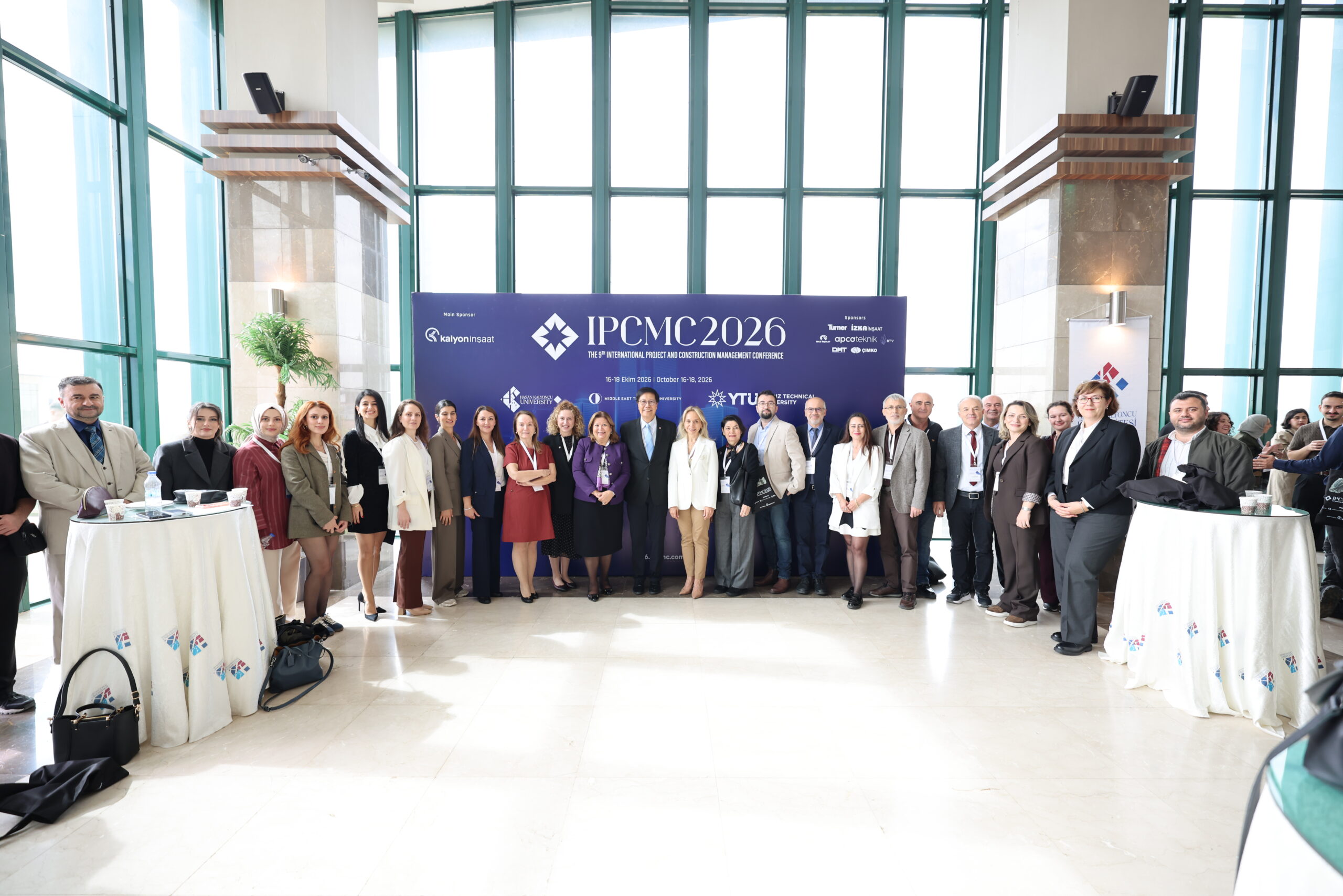
Hasan Kalyoncu University (HKU) hosted the 9th International Project and Construction Management Conference (IPCMC 2026), organised in collaboration with Middle East Technical University (METU) and Yıldız Technical University (YTU). Held under the theme “Rethinking the Built Environment through Artificial Intelligence”, the conference addressed the impact of artificial intelligence on architecture and the construction sector, alongside sustainability, digital transformation and disaster-resilient cities.
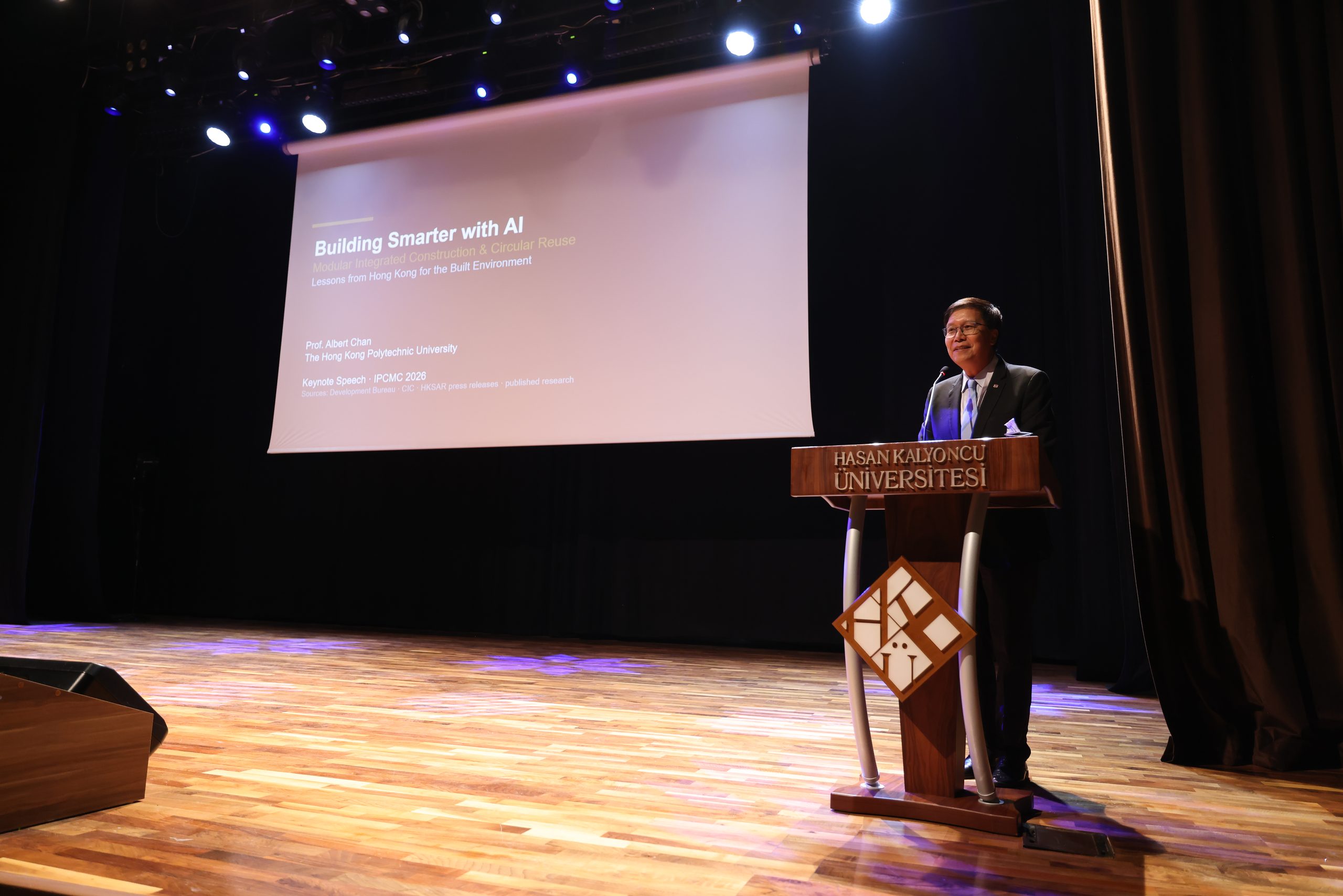
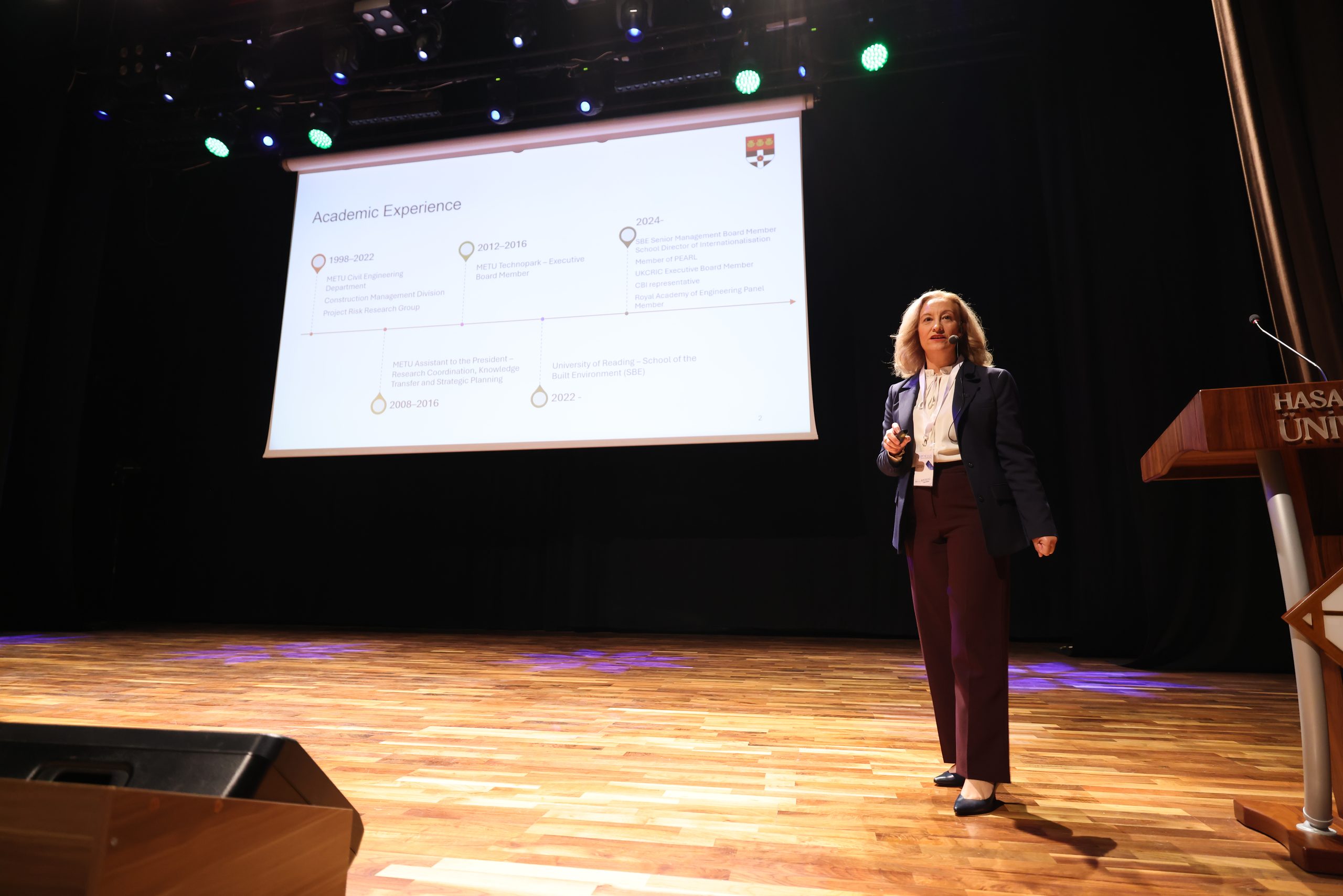
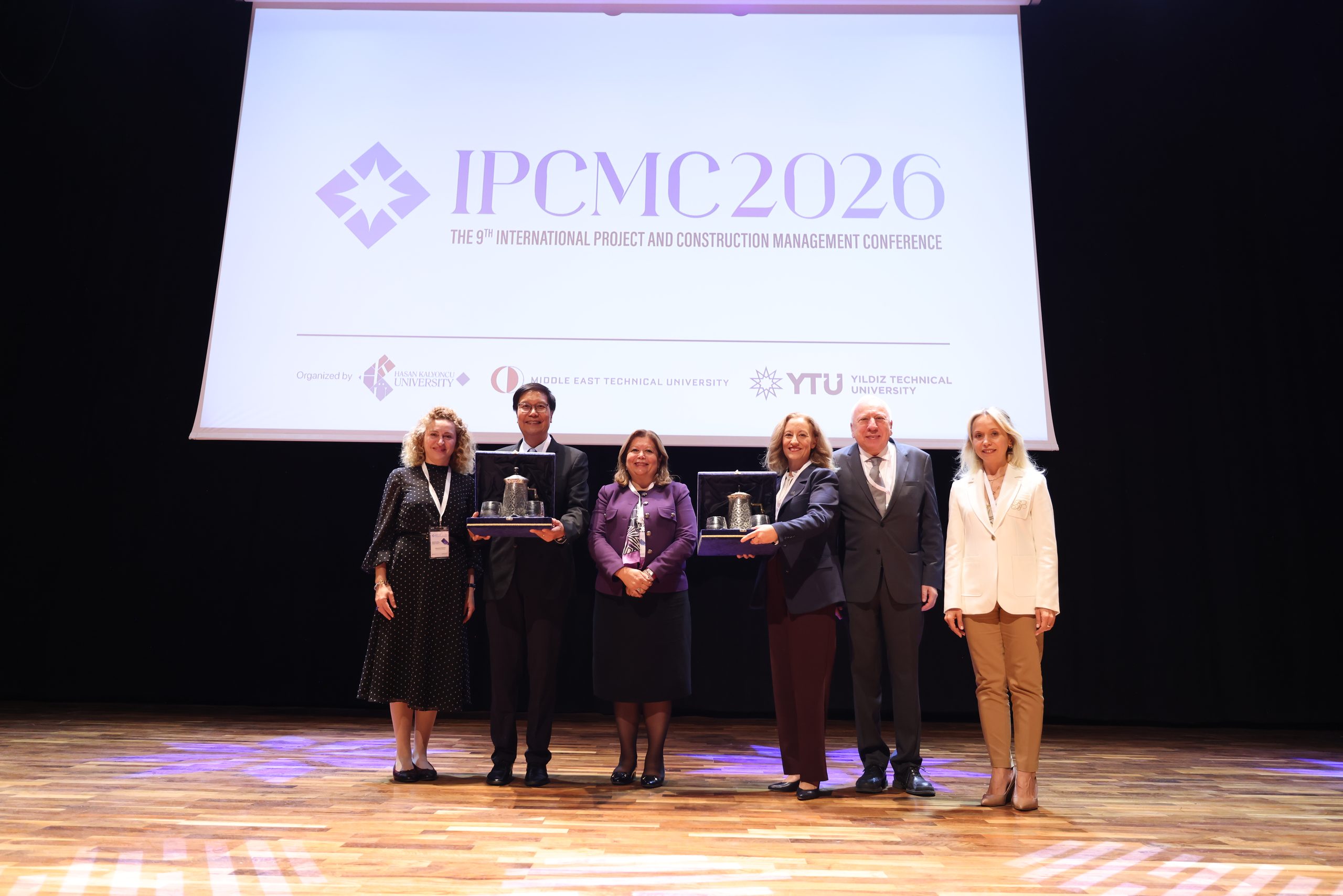
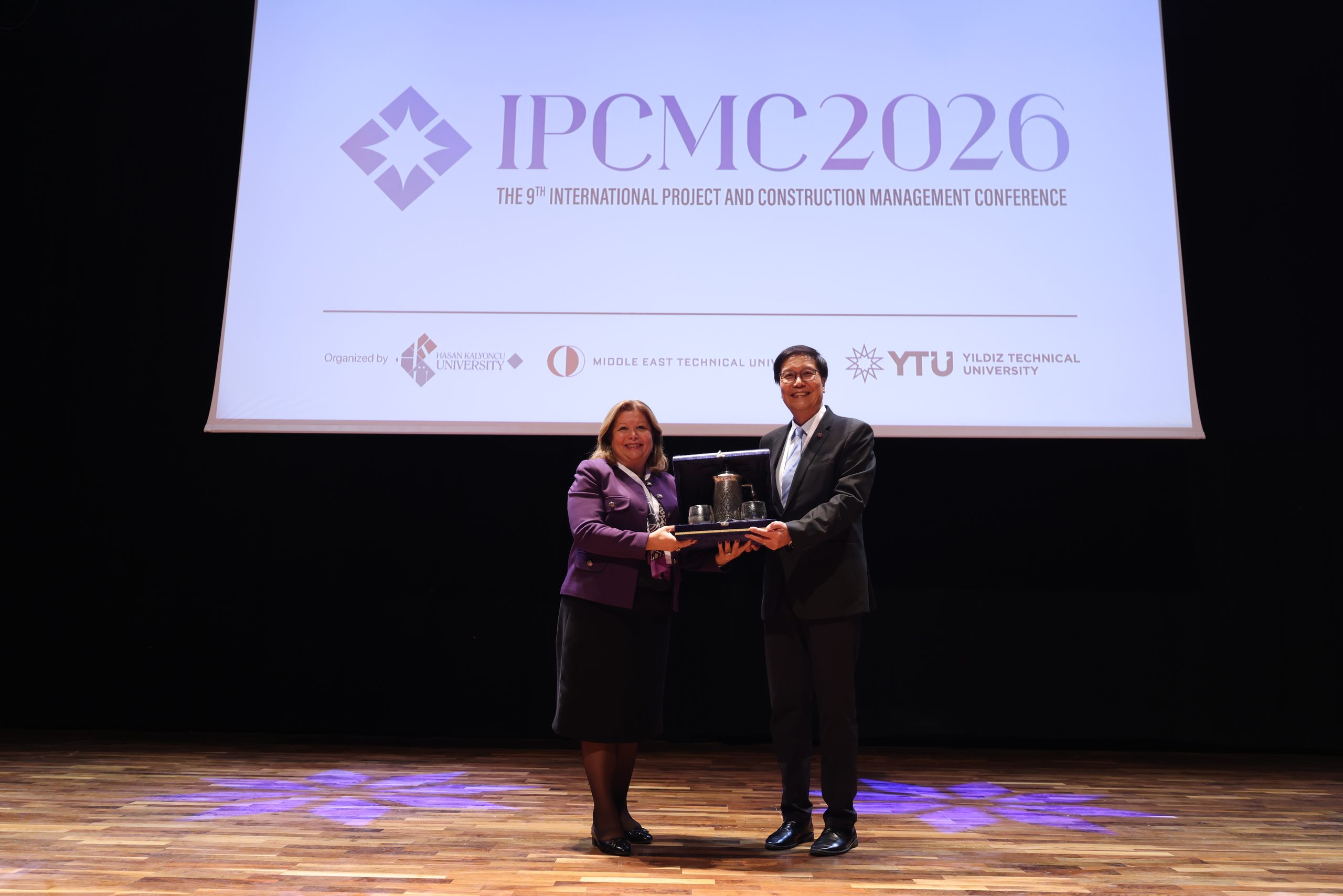
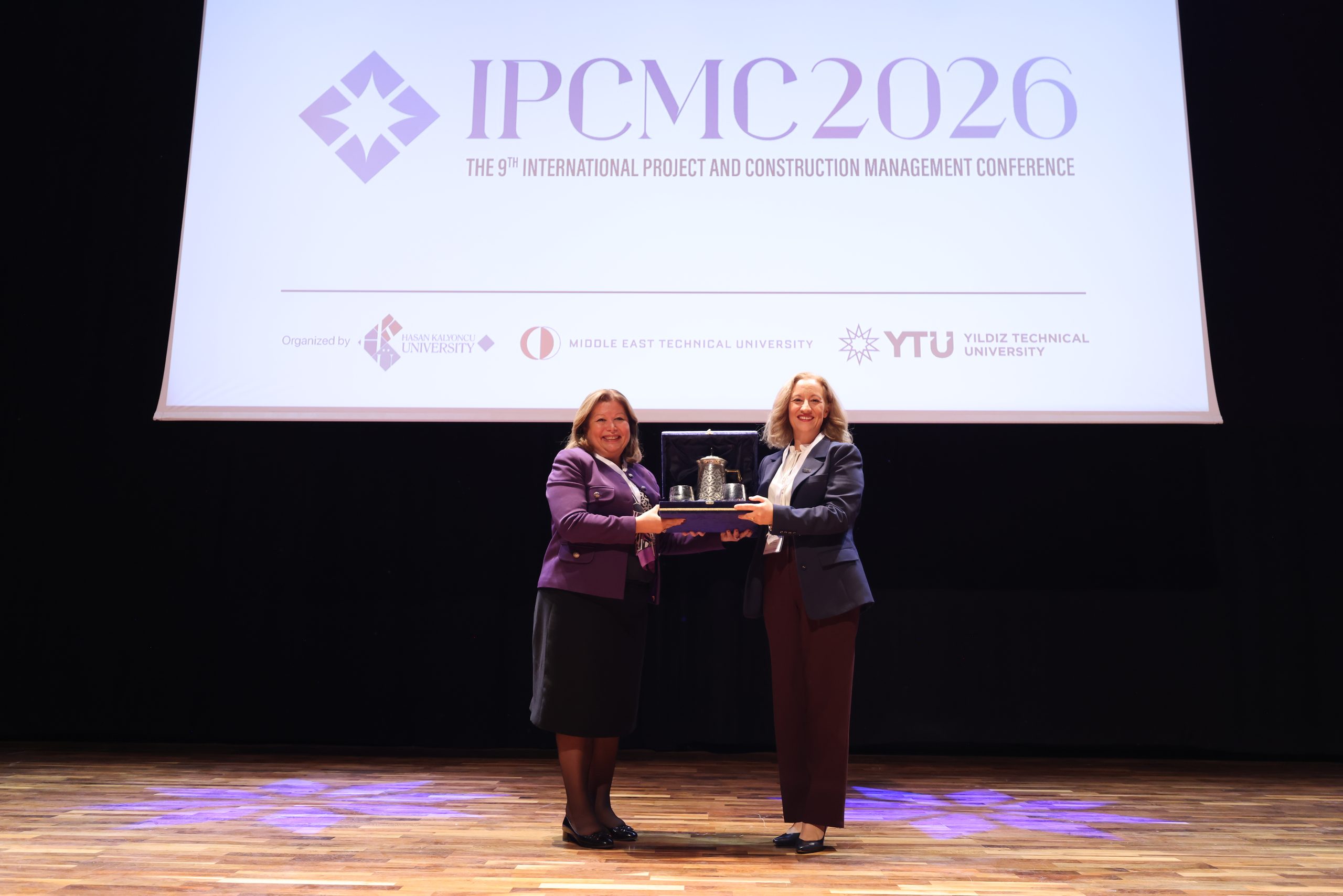
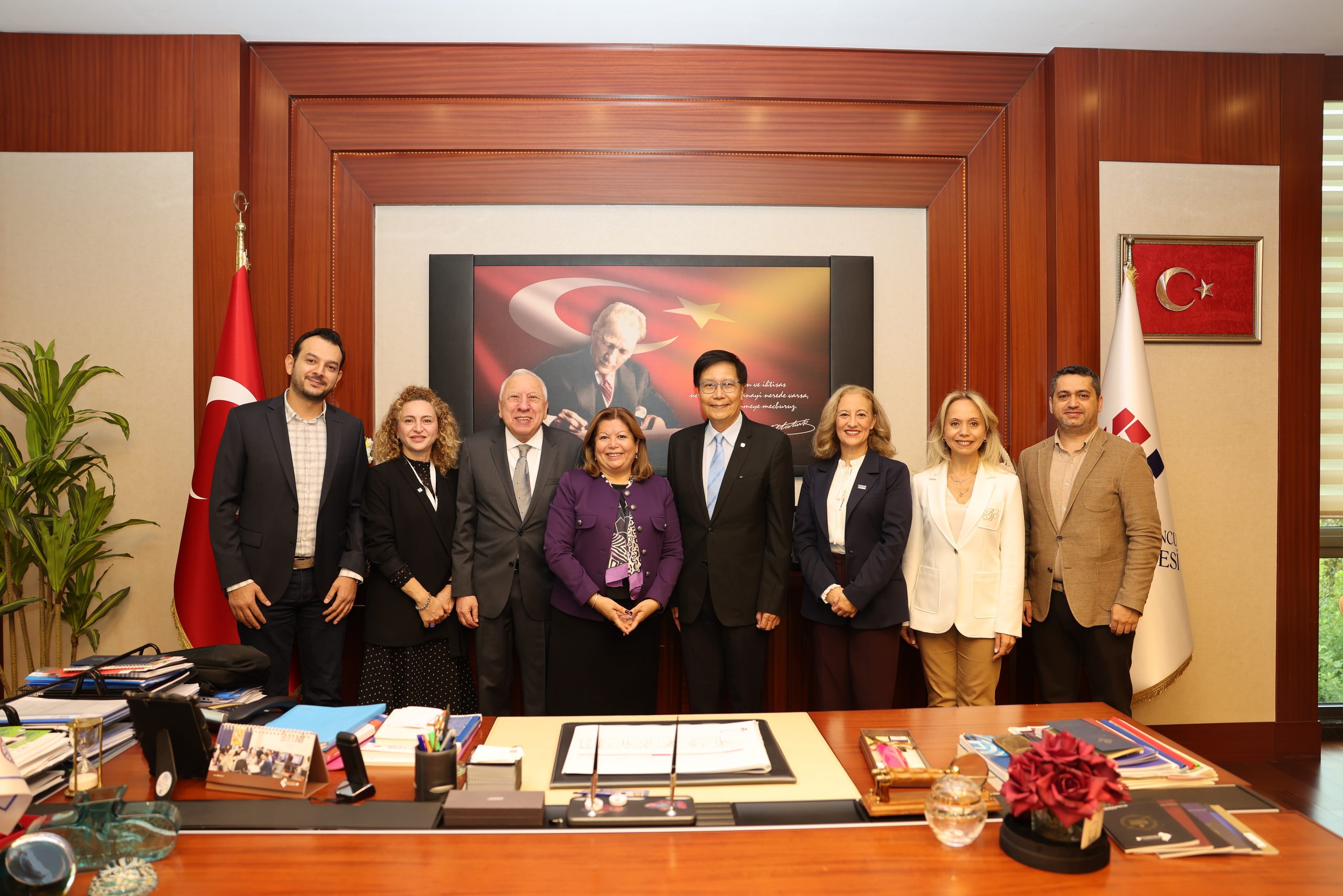
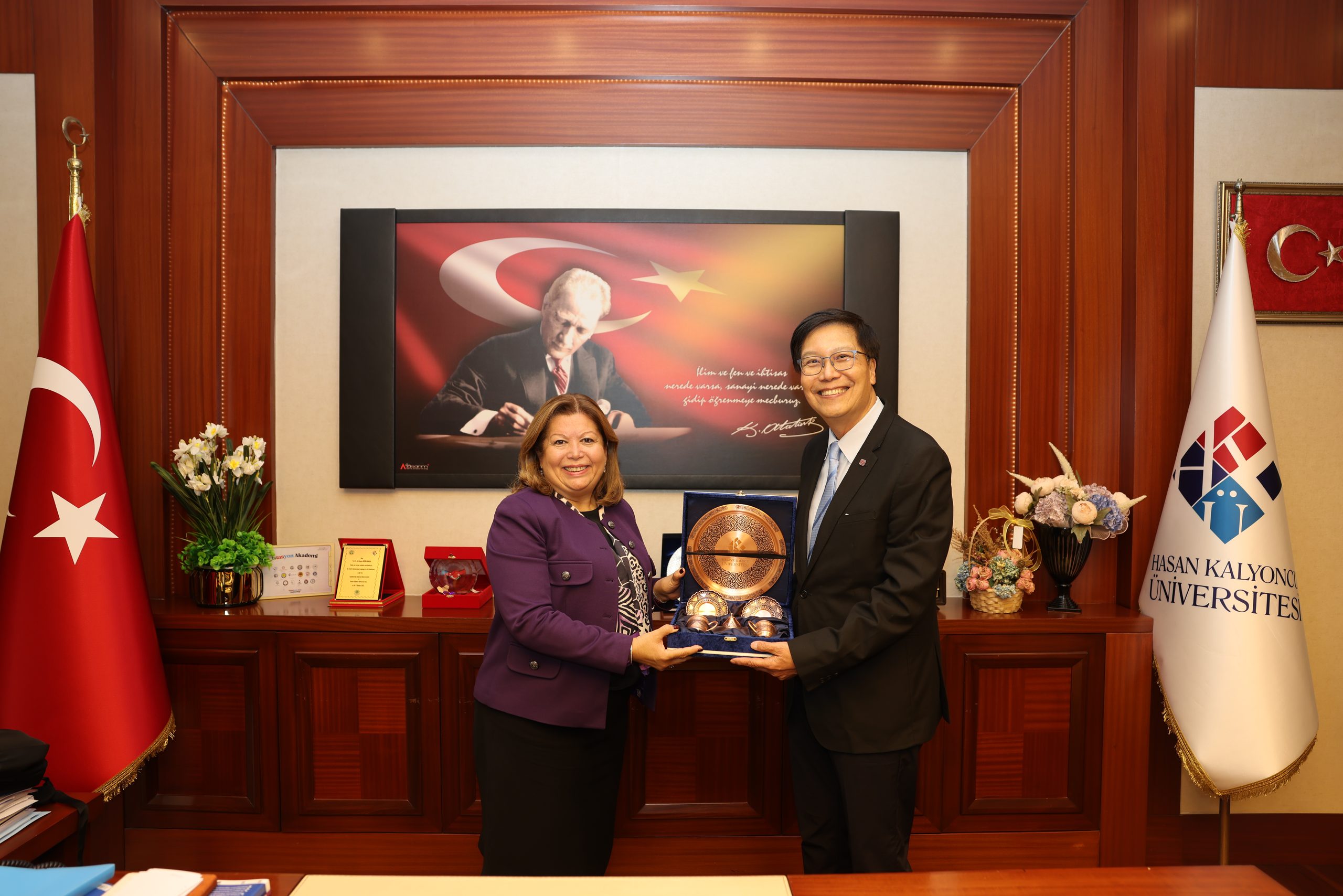
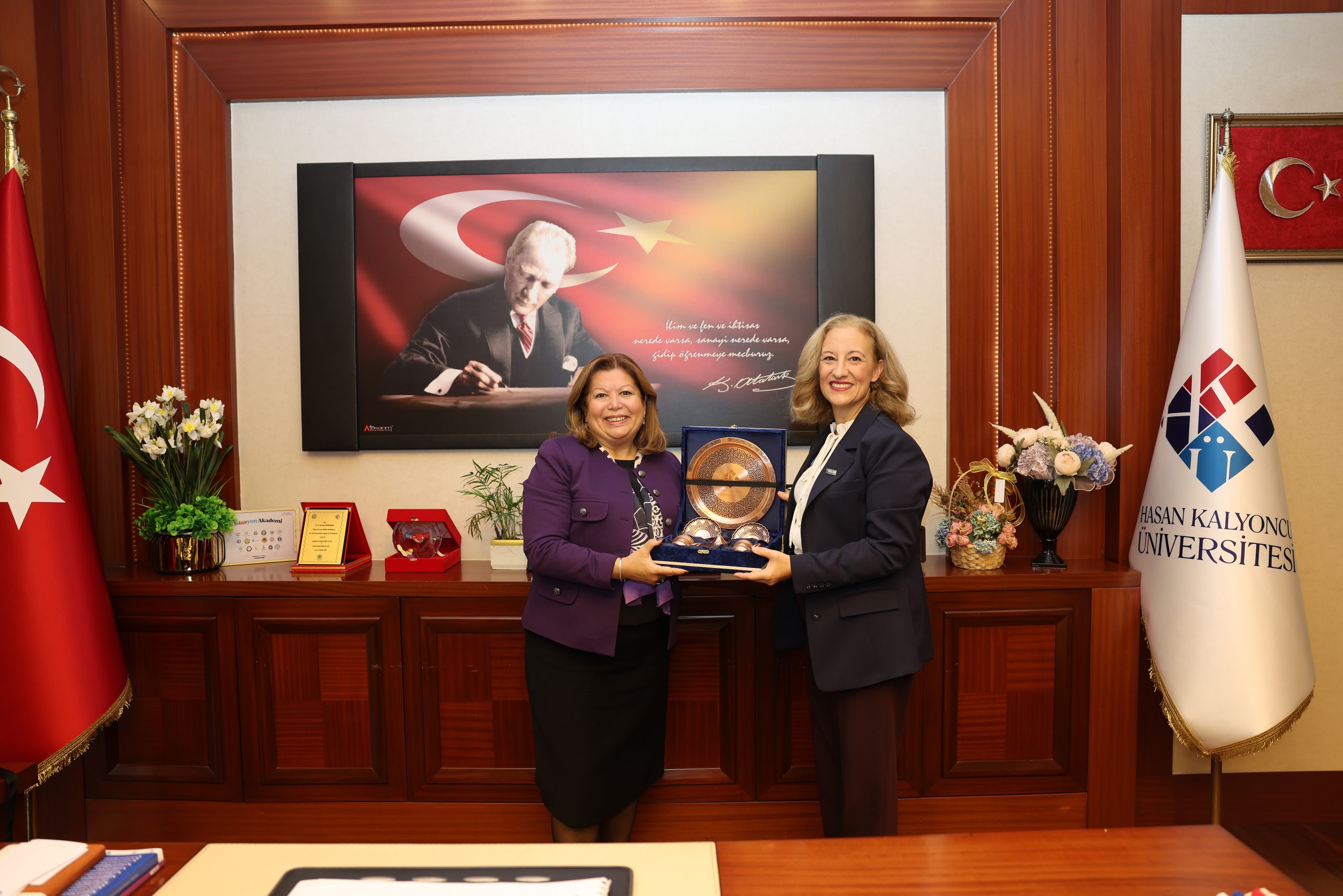
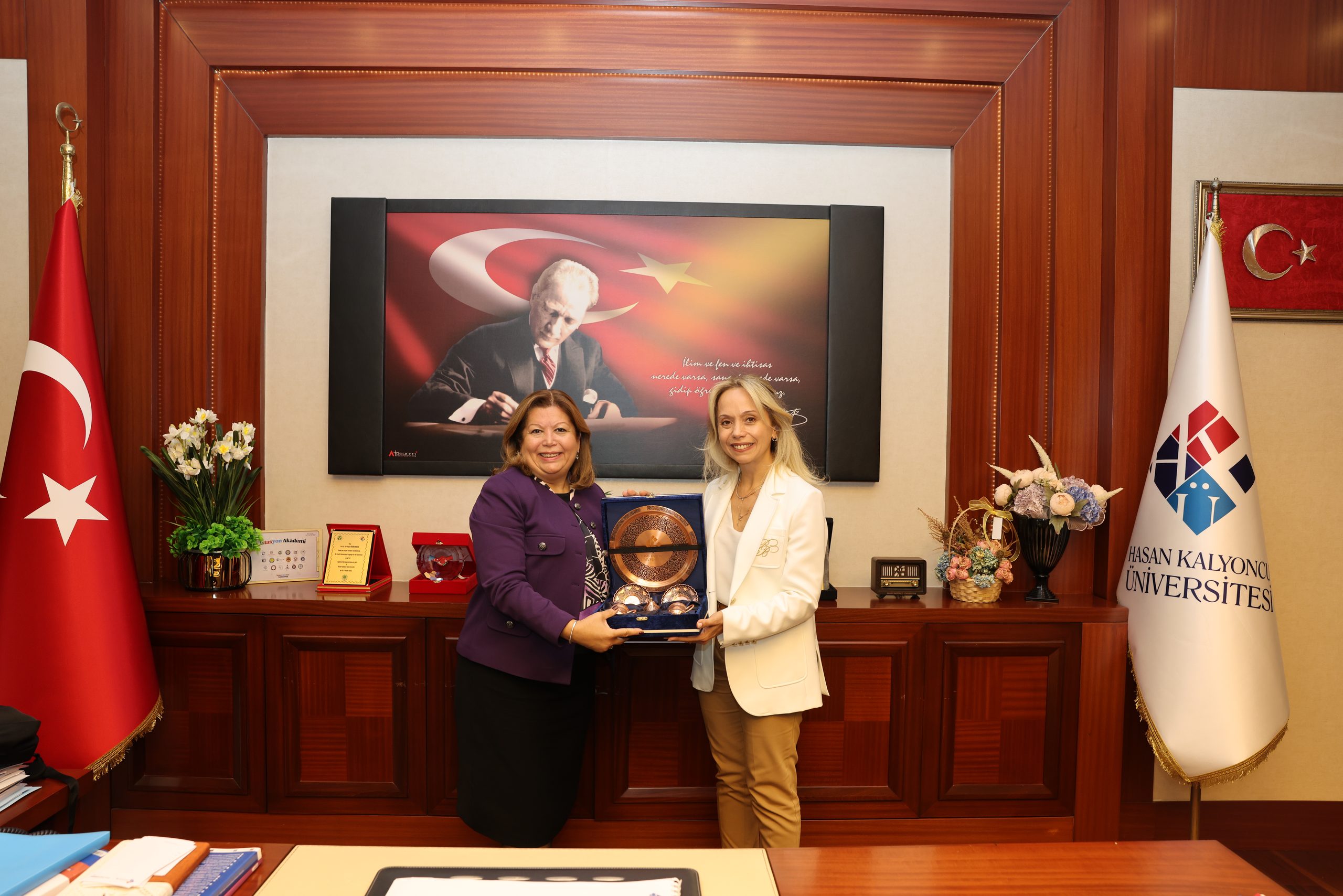
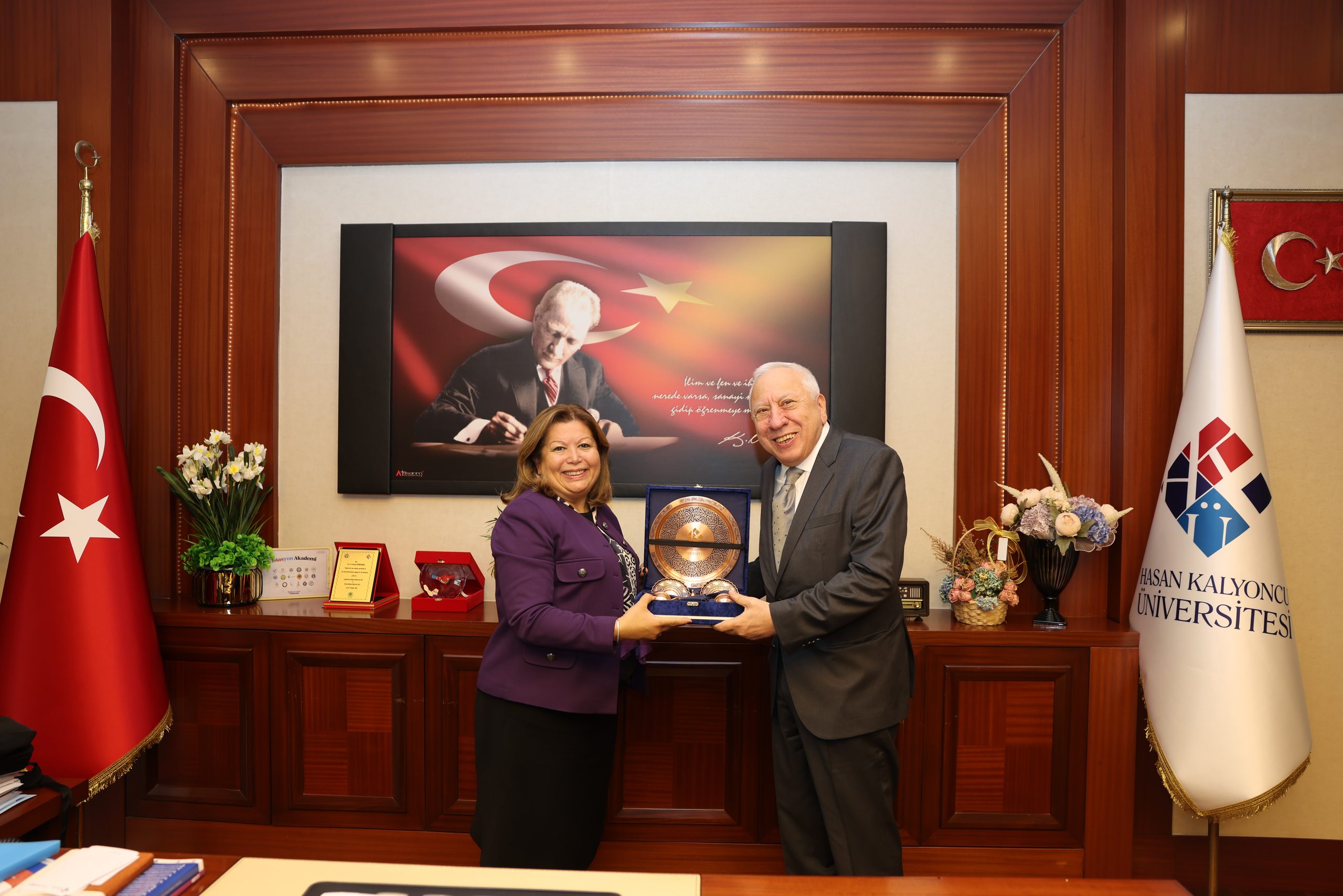
Held at the HKU Congress and Culture Centre, the conference brought together HKU Rector Prof. Dr Gül Rengin Küçükerdoğan; Prof. Dr Gülname Özdemir, Dean of HKU’s Faculty of Fine Arts and Architecture; Prof. Dr Mustafa Talat Birgönül from the Graduate School of Natural and Applied Sciences at METU; Prof. Dr Zeynep Işık from the Department of Civil Engineering at YTU; as well as international academics, researchers and industry representatives. Prof. Dr Albert Chan of The Hong Kong Polytechnic University and Prof. Dr İrem Dikmen Toker of the University of Reading took part in the conference as invited speakers.
WE MUST USE ARTIFICIAL INTELLIGENCE TO IMPROVE HUMAN LIFE
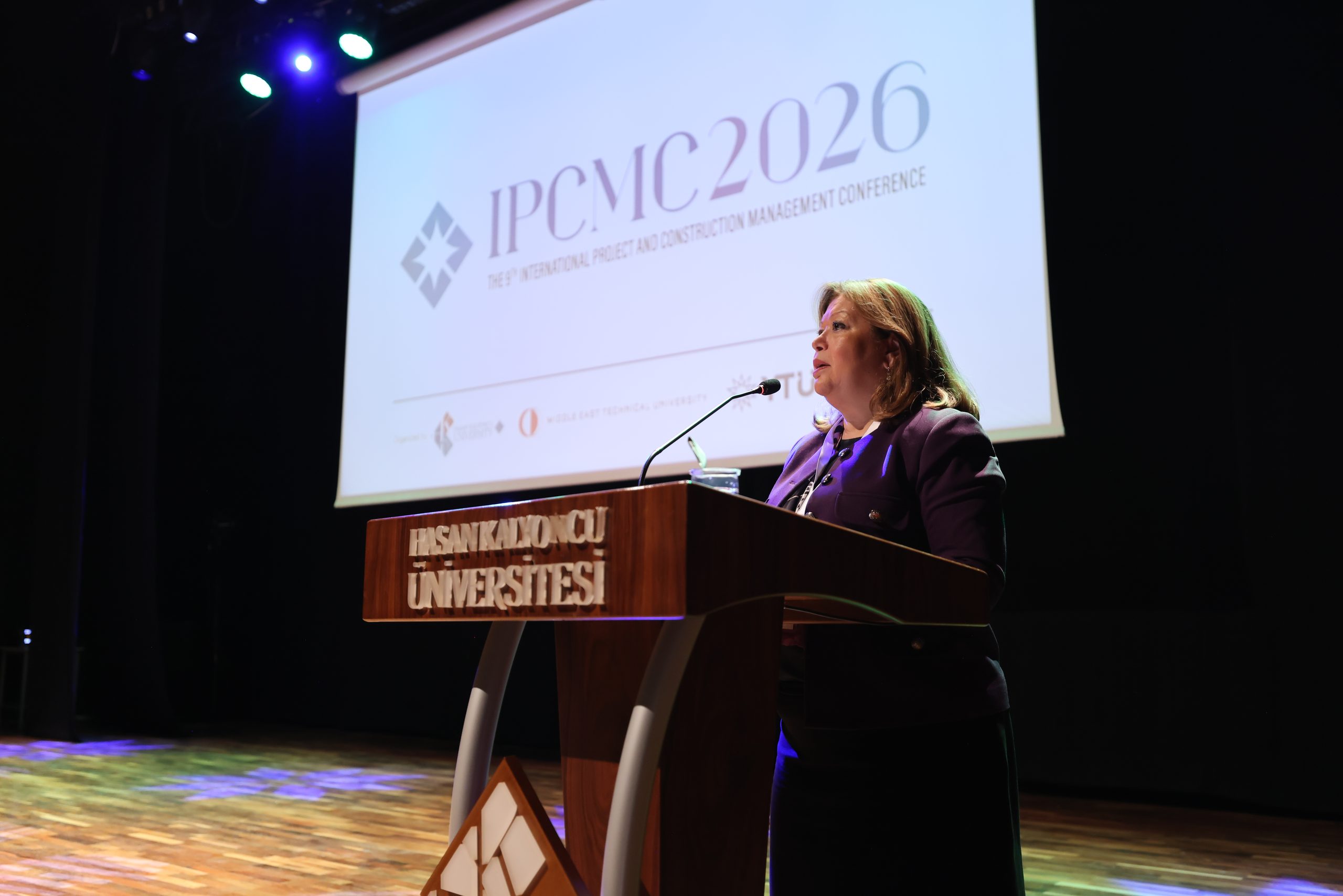
Speaking at the opening of the conference, HKU Rector Prof. Dr Gül Rengin Küçükerdoğan stated that artificial intelligence is driving a major transformation in architecture, design and construction management processes. She said:
“Artificial intelligence is no longer confined to the field of technology; it is also changing the way we design, produce, make decisions and shape the future. The earthquakes of 6 February, in particular, reminded us once again that buildings must be assessed not only in terms of their design and construction processes, but also in terms of safety, resilience and their ability to respond to human needs.
Artificial intelligence offers significant opportunities to anticipate risks at an earlier stage, use resources more efficiently and manage complex processes more effectively. However, we must not forget that no technology can fully replace human experience, professional responsibility or conscience. At Hasan Kalyoncu University, we attach great importance to ensuring that scientific knowledge finds practical application and is transformed into social benefit through cooperation between academia and industry. I believe this conference will also contribute to the development of new scientific studies, international collaborations and tangible projects.”
SCIENTISTS COME TOGETHER AT HKU
During the programme, topics including AI-assisted project management, smart buildings, digital twin technologies, Building Information Modelling (BIM), sustainable and circular construction, automation in construction processes, occupational health and safety, disaster risk management and urban resilience were discussed in a series of scientific sessions.
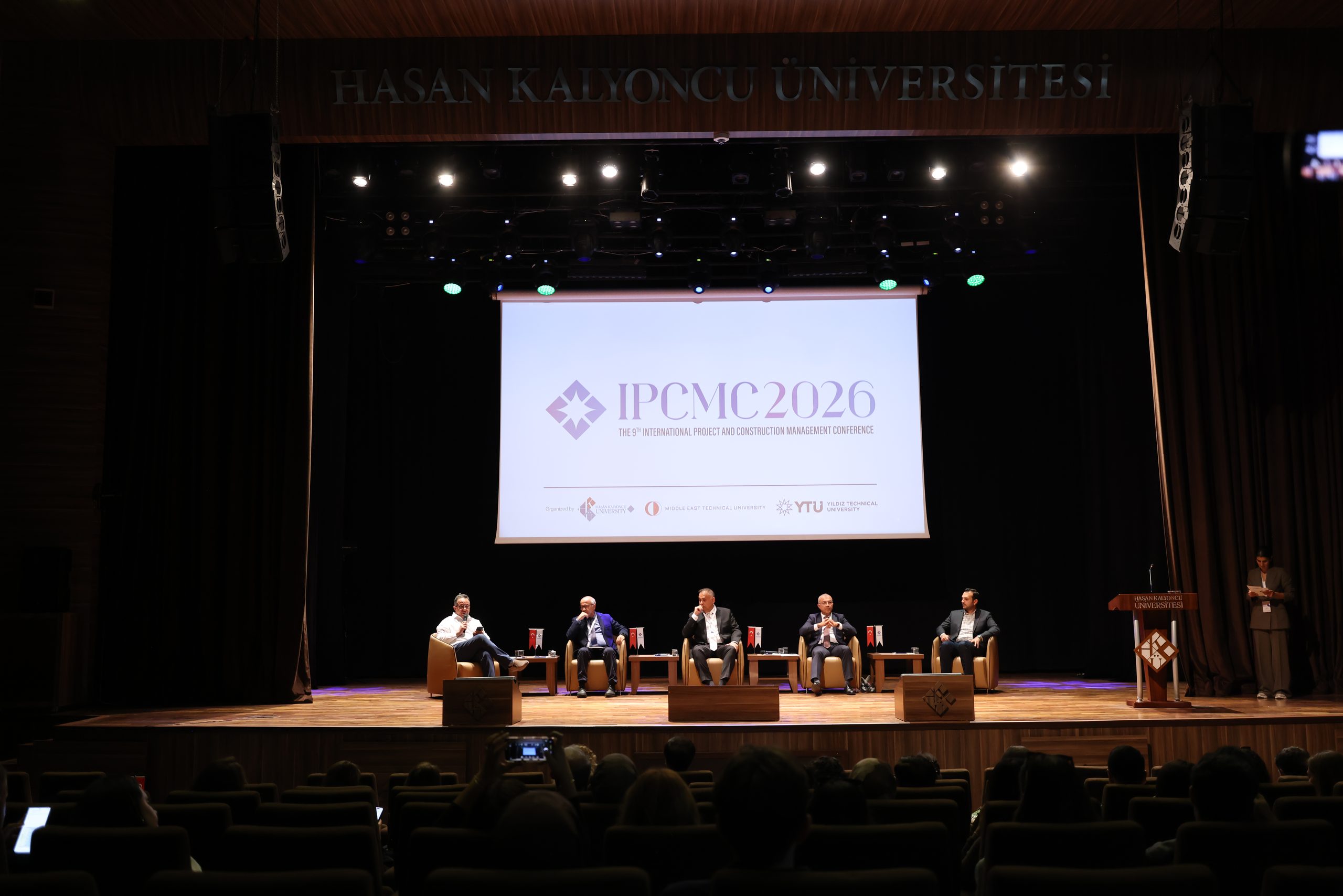
As part of the conference, a university-industry panel entitled “From Research to Reality: AI-Driven Transformation of the Built Environment” focused on translating academic research into practical applications within the sector. Moderated by Prof. Dr Tuğrul Daim of Portland State University, the panel featured Mehmet Sami Kılıç of Turner International, Sinan Alemdar of EMAY International Engineering and Consultancy Inc., Ahmet Aydoğan of DMT Modular Construction, and Assist. Prof. Dr Fatih Alisinanoğlu from the Department of Software Engineering at HKU’s Faculty of Engineering, who shared their perspectives on the digital transformation of the industry.
Over the course of three days, the conference hosted scientific presentations, international knowledge exchange and academia-industry engagement, providing an important scientific platform for evaluating innovative approaches to the future of the built environment and developing new opportunities for collaboration.