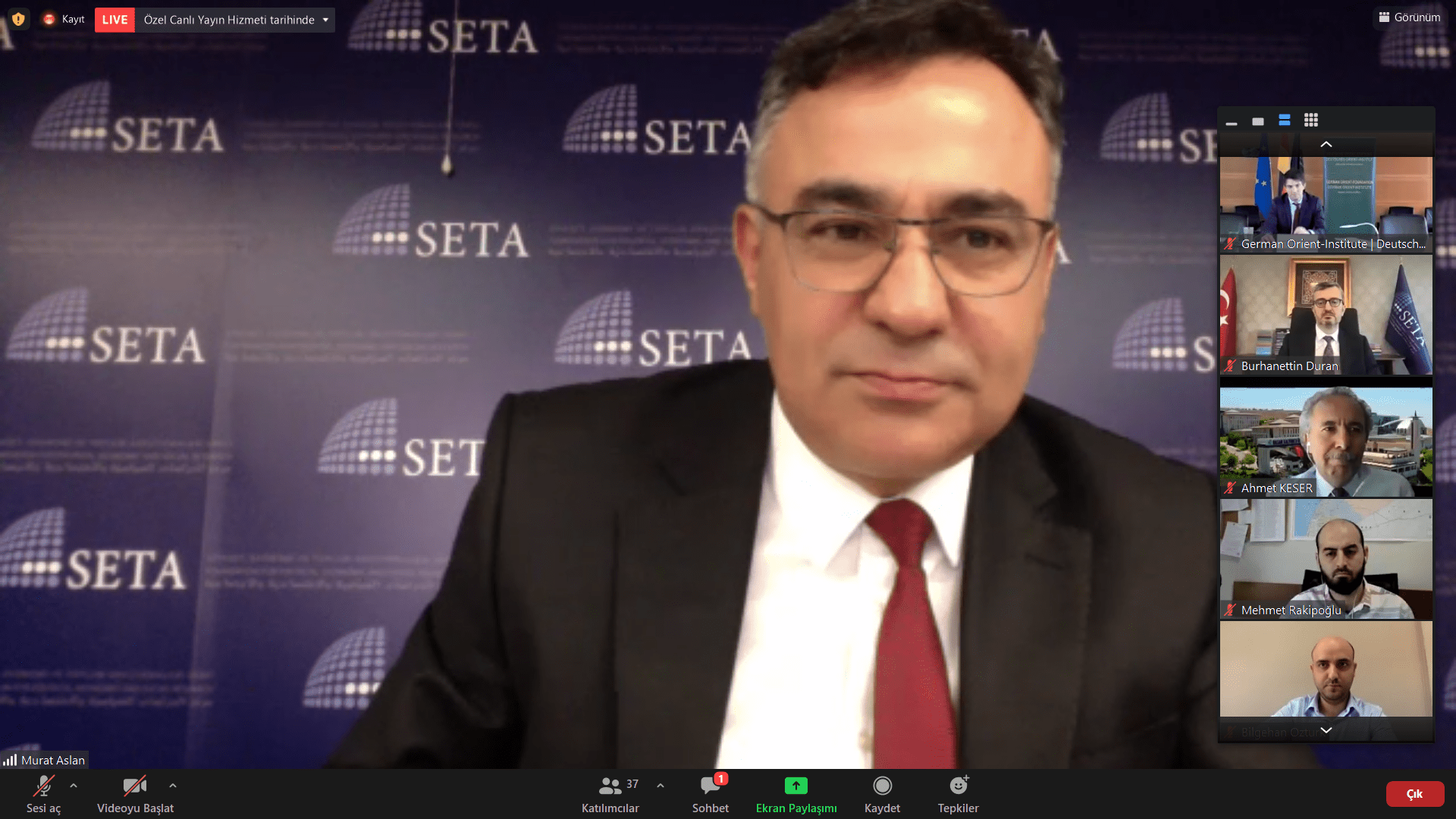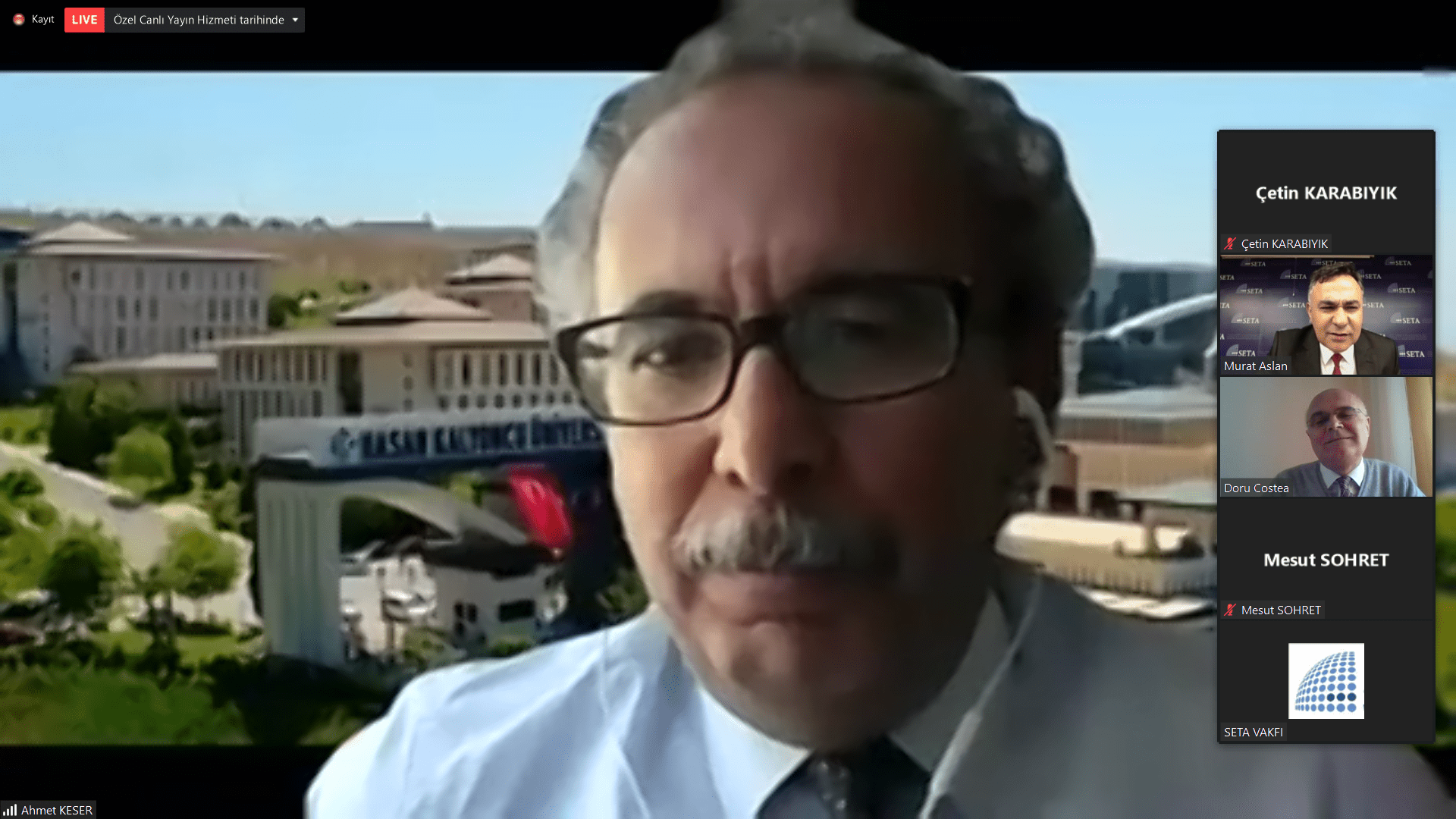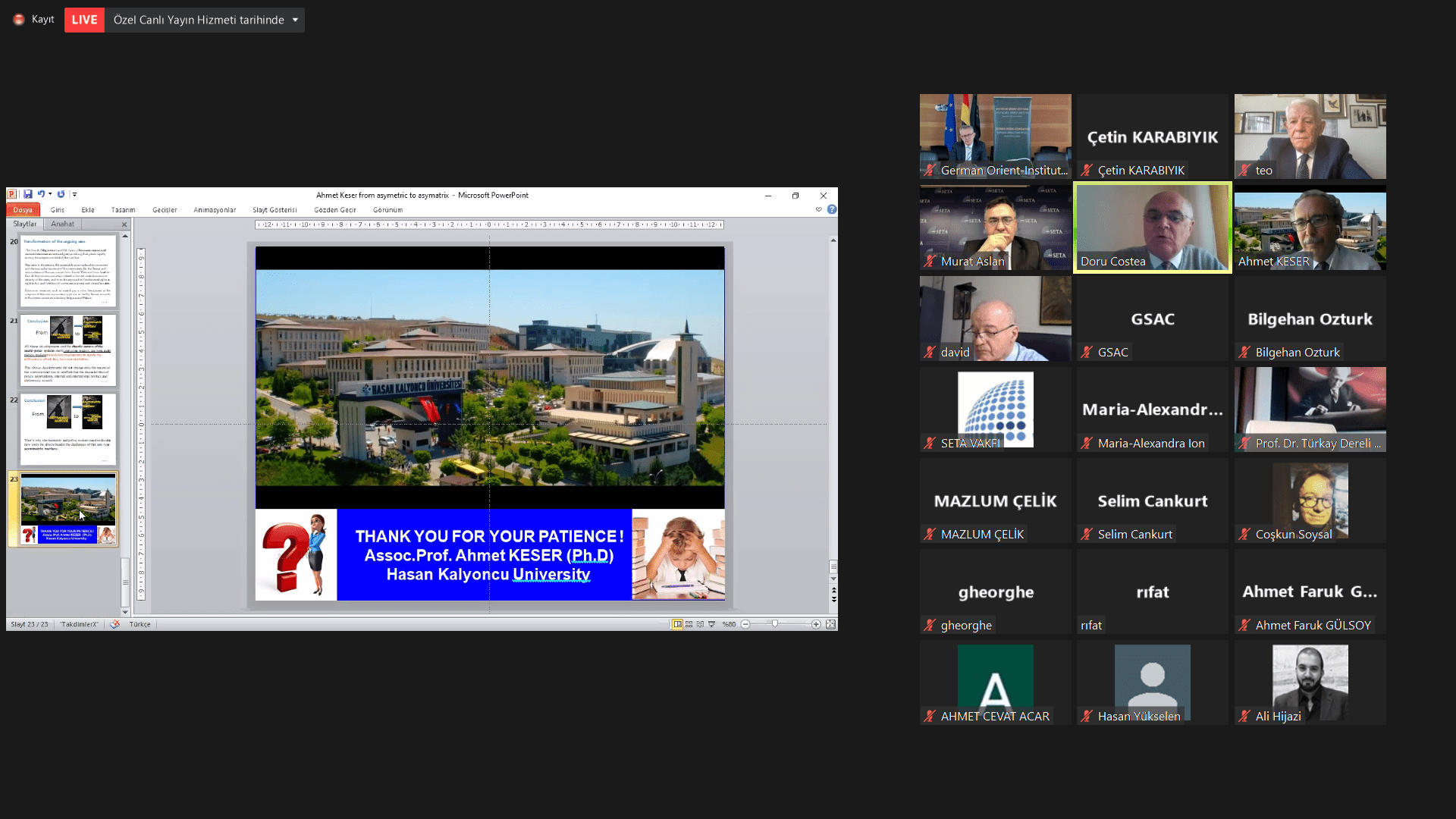
The International Global Security Conference, organised with the cooperation and participation of think tanks from 9 countries, led by Hasan Kalyoncu University (HKU), the Foundation for Political, Economic and Social Research (SETA) and Istanbul Sabahattin Zaim University (İZÜ), was held under the theme “Nation States and Fragile Post-nationalism”.
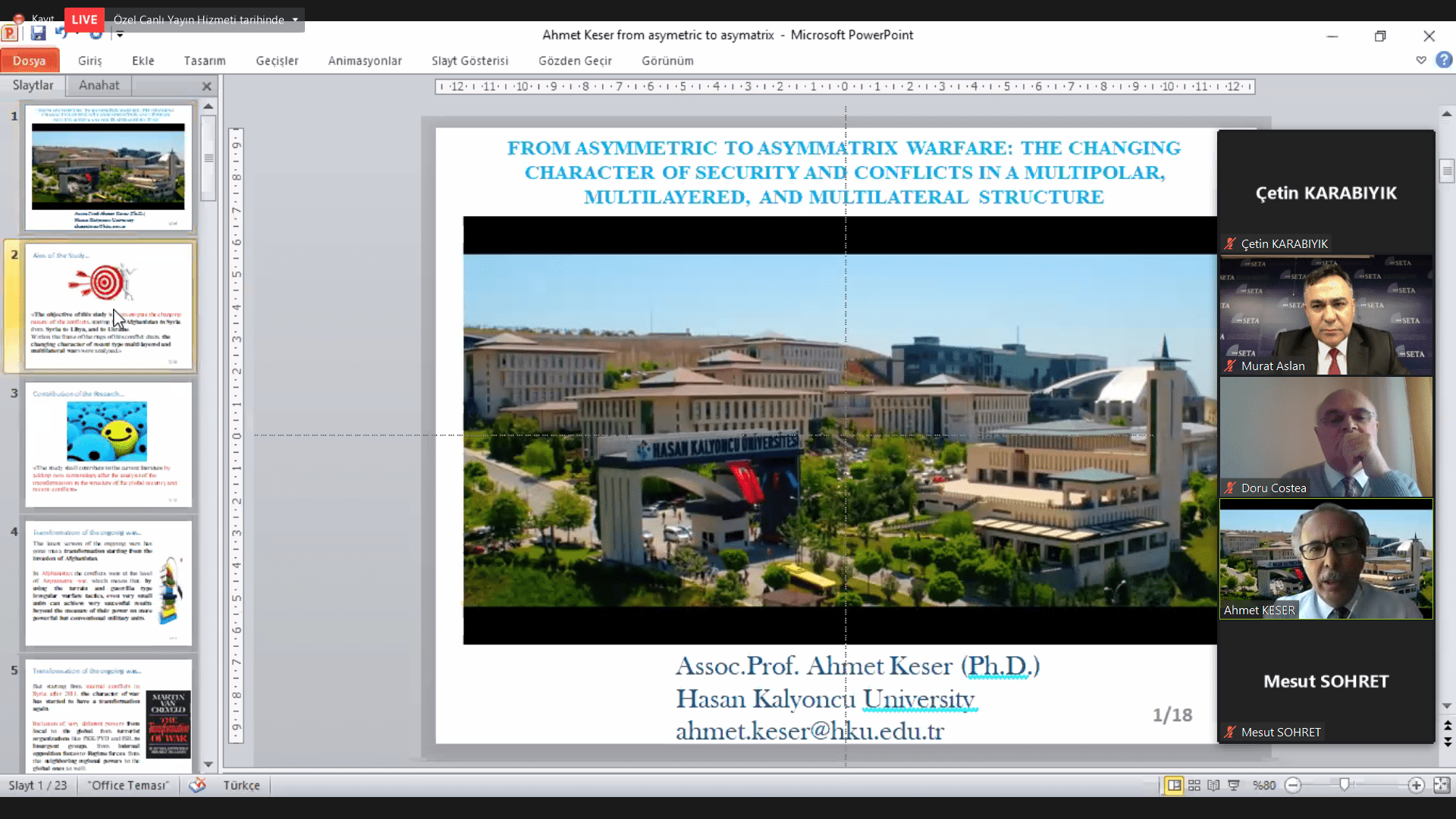
Speaking at the conference, Assoc. Prof. Dr. Ahmet Keser, Head of the HKU Department of Political Science and International Relations, said that the conference, which will offer the opportunity to see international and varied perspectives on security issues that spread north after Syria and Libya and gained a new dimension with the Russia-Ukraine war, will contribute both to the academic literature and to the vision of policy makers.
The International Global Security Conference was the second of the international conference series, the first of which was hosted by Hasan Kalyoncu University in 2021 under the concept “International Homeland Security Conference” with the participation of important academics from different countries.
The conference, coordinated by İZÜ faculty member Dr. Murat Aslan, was conducted remotely. In the conference, held as four panels, the following topics were discussed: Visualization of the Global Resilience, Visiting Past Adapting the New in the New Security Agenda, Strategy-Making for Multilayered and Multilateral Security and Regionalism’s Scattered Structure.
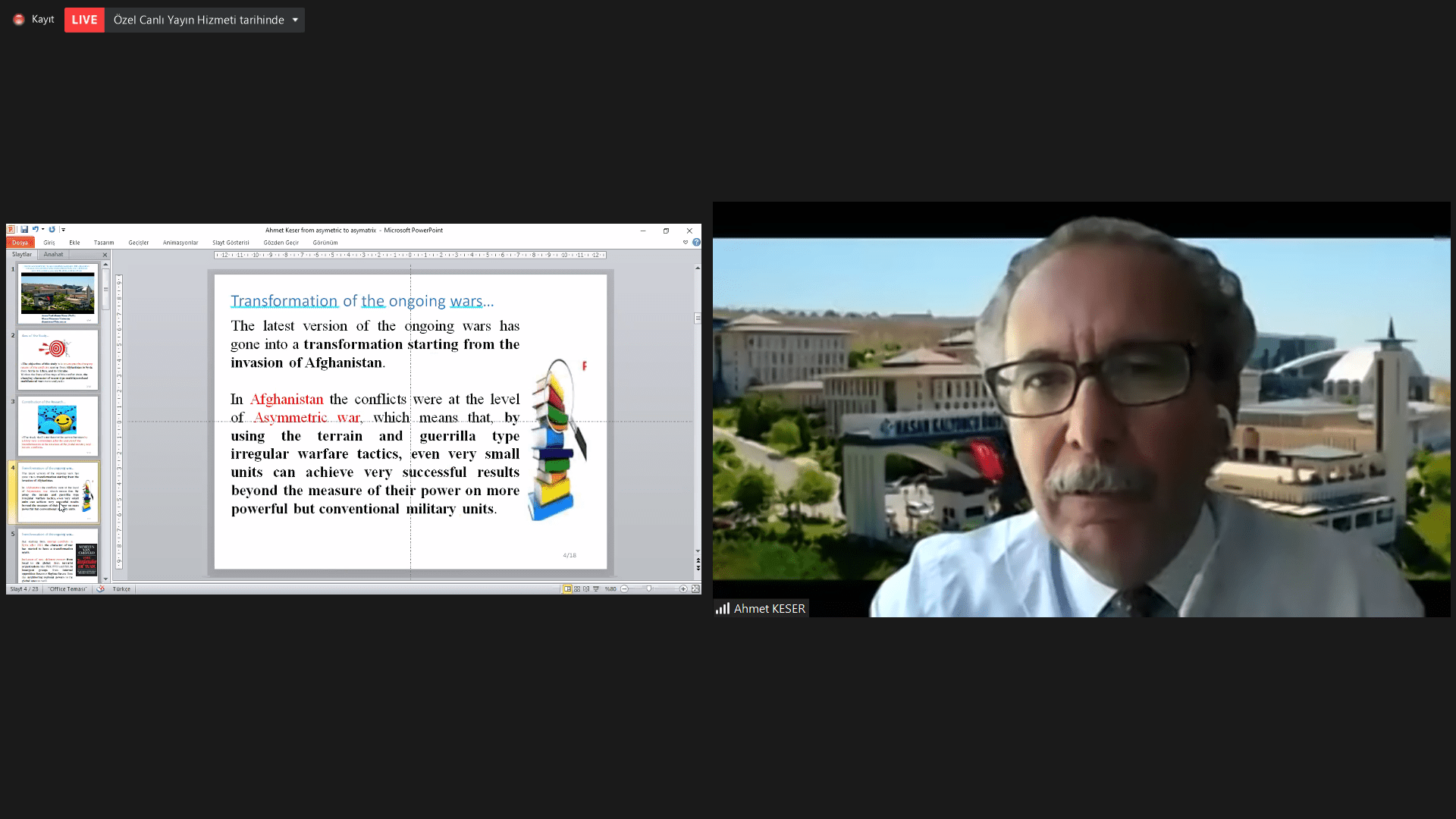
HKU Head of the Department of Political Science and International Relations Assoc. Prof. Dr. Ahmet Keser analysed with examples the changing character of the new type of multilayered and multilateral wars in the Afghanistan-Syria-Libya-Ukraine chain, from asymmetric warfare towards an Asymmatrix (beyond-asymmetric) war, and stated that proxy wars have come to be characterised by matryoshka conflicts within a kind of hybrid structure. Assoc. Prof. Dr. Keser explained that, from the bottom to the top, in the first layer of the matryoshkas a local power fights another local power; in the layer above, a military company fights a local or regional power; in the third layer, a regional power fights the local power below or the global power above; and in the top layer, global powers continue the conflict through proxies, hosting at times covert and at times open conflicts and wars within a chaotic, multilayered, multilateral, beyond-asymmetric matrix confusion. He added: “Moreover, in this new matrix structure, the news flow carried out over social media has changed the nature of intelligence, propaganda and public diplomacy activities and has digitalised them as well. The latest-generation wars, in which unmanned air, land and sea vehicles come to the fore, have turned the economy, economic factors and, even more importantly, together with the phenomenon of migration, human beings themselves (as migrants) into a weapon. The winner of this new type of asymmetric war will be determined by the countries and policy makers who can create cosmos out of chaos and who can come through with the least damage, without disrupting their demographic structure and economy, or even strengthening them.”