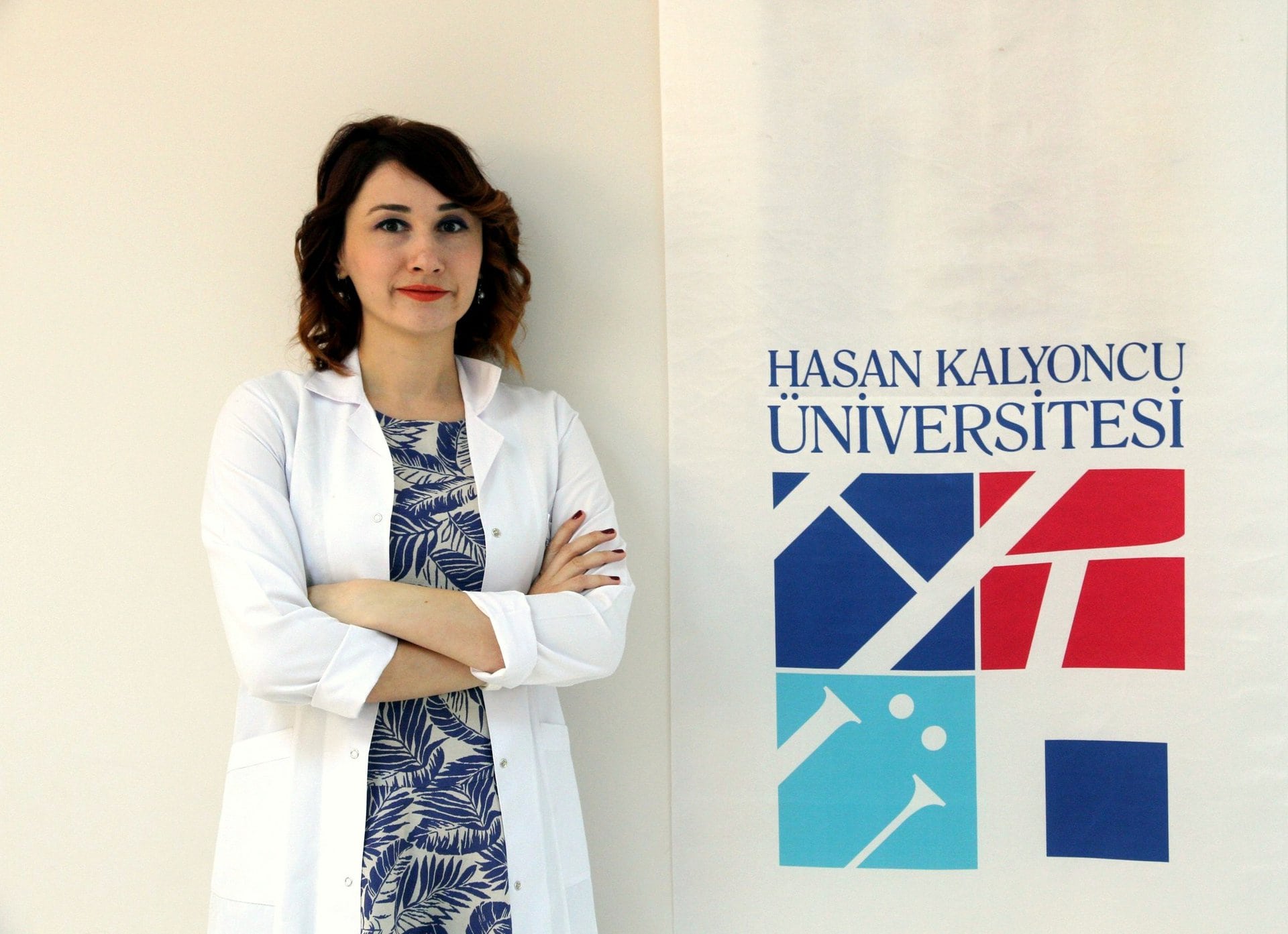
Dr. Begümhan Turhan, a faculty member in the Department of Physiotherapy and Rehabilitation, Faculty of Health Sciences, Hasan Kalyoncu University (HKU), noted that cold weather and heavy snowfall in the winter months also increase cases of injury, and said that it is important to move safely in winter and to strengthen the immune system with the right exercises.
It Is Important to Do the Right Exercises
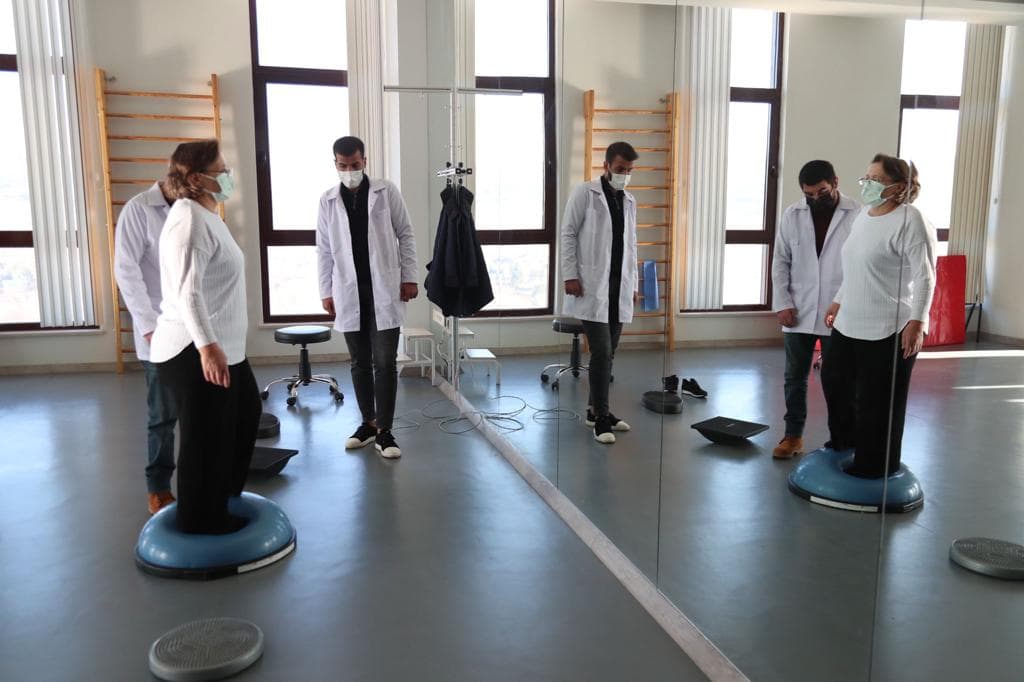
Emphasising the importance of the quality of exercise and the increased level of physical activity in winter, HKU faculty member Dr. Begümhan Turhan said, “Before exercising in cold weather, it is very important to do more intensive warm-up exercises and, afterwards, cool-down exercises. This is because in cold weather the body takes longer to warm up and cool down. Warm-up exercises prepare us for the actual exercise and protect us from injuries. Cool-down exercises will help your body recover after exercise. In particular, it will be beneficial for individuals over 65 to do exercises at home that raise the heart rate, three days a week for a total of 150 minutes. In winter, it is necessary to find reasons to move, and to drink fluids during activities without allowing yourself to become thirsty. Being active outdoors is better, but snowfall and icing pose a great risk, especially for older people, and great care must be taken. Those who cannot go outside can obtain a personalised home exercise prescription from their physiotherapists. If they have to go outside, we recommend that older people in particular use shoes suitable for winter conditions and supportive aids such as walking sticks. They should take slow walks in small steps.”
Pain Resulting from Falls Should Not Be Neglected
Stating that pain resulting from falls should be treated without delay, faculty member Dr. Begümhan Turhan said, “The areas where problems most frequently occur after falls are the hip, thigh, arm, leg, elbow and hand. The pain and stinging sensation resulting from fractures, dislocations or the bone losing its correct position in these areas is something people hesitate to share, and it can turn into a psychological preoccupation. For this reason, in such cases there should be immediate intervention and the treatment of the painful areas should not be neglected.”