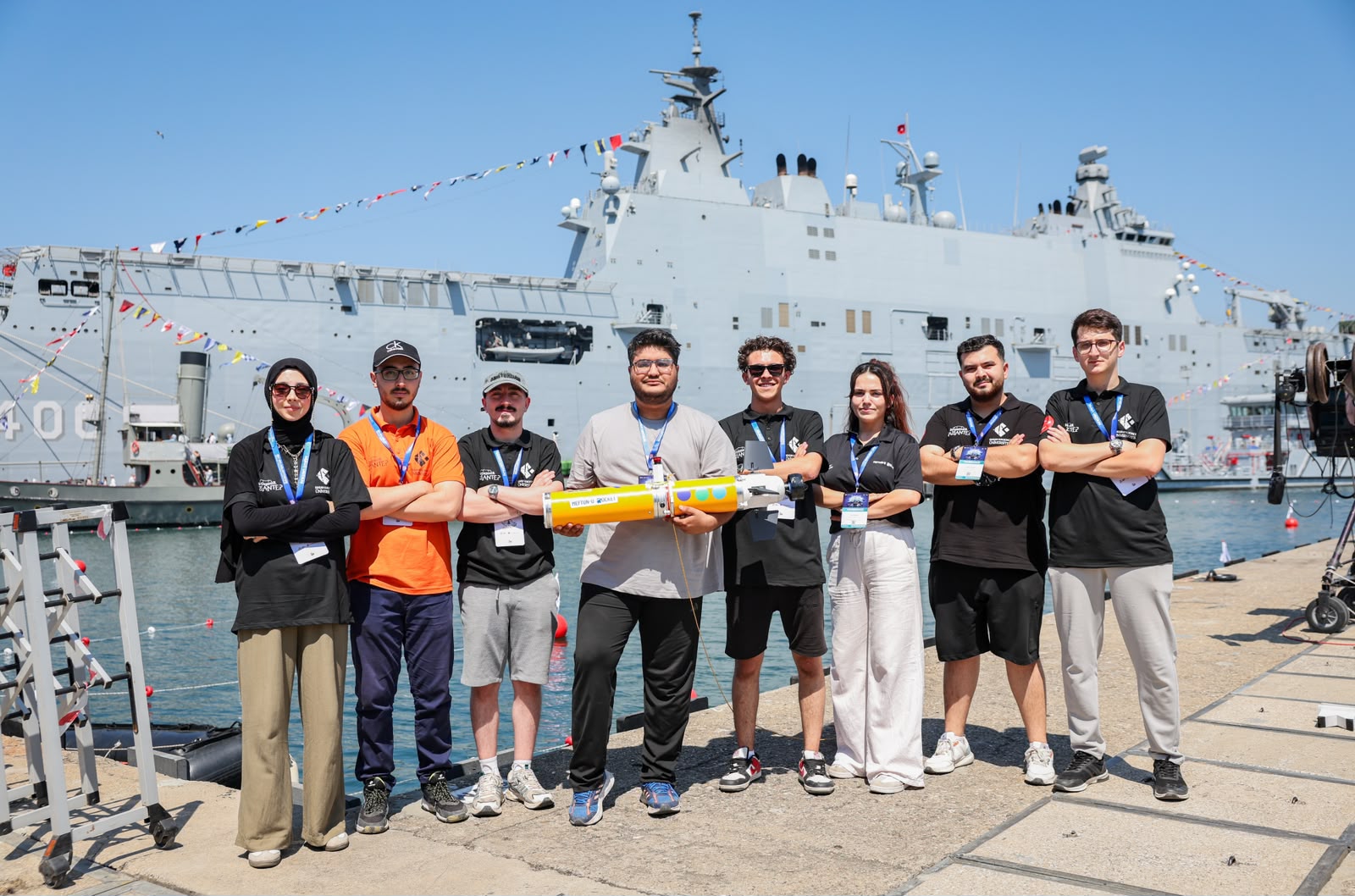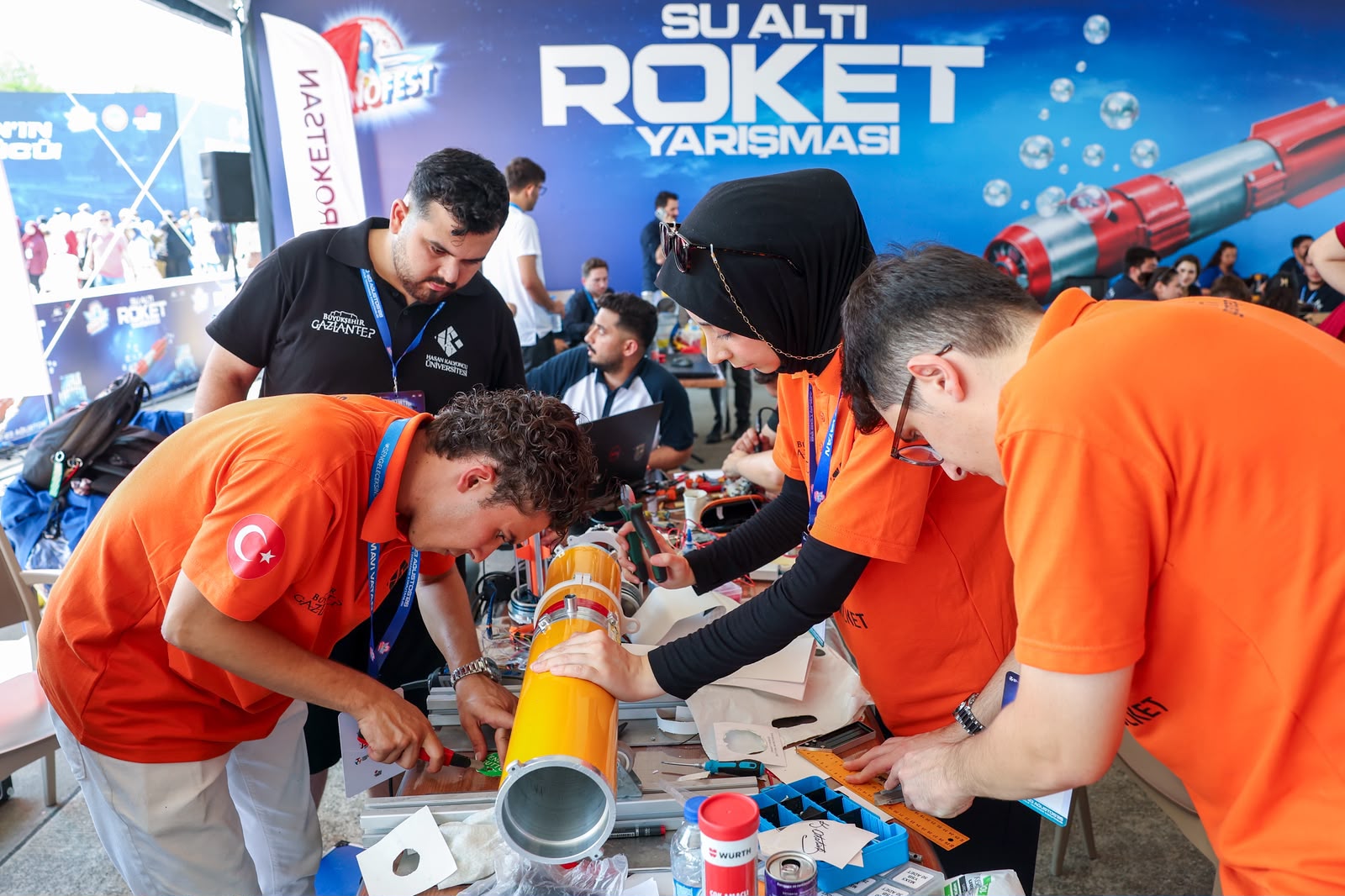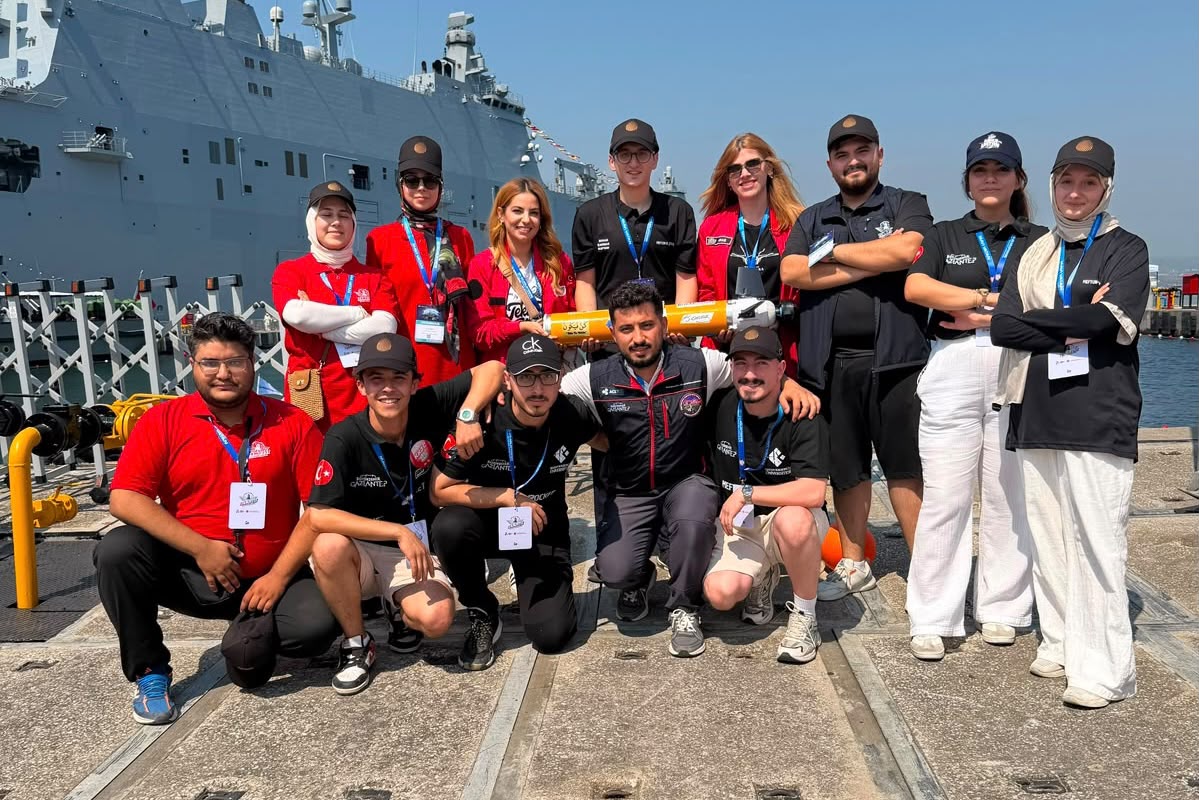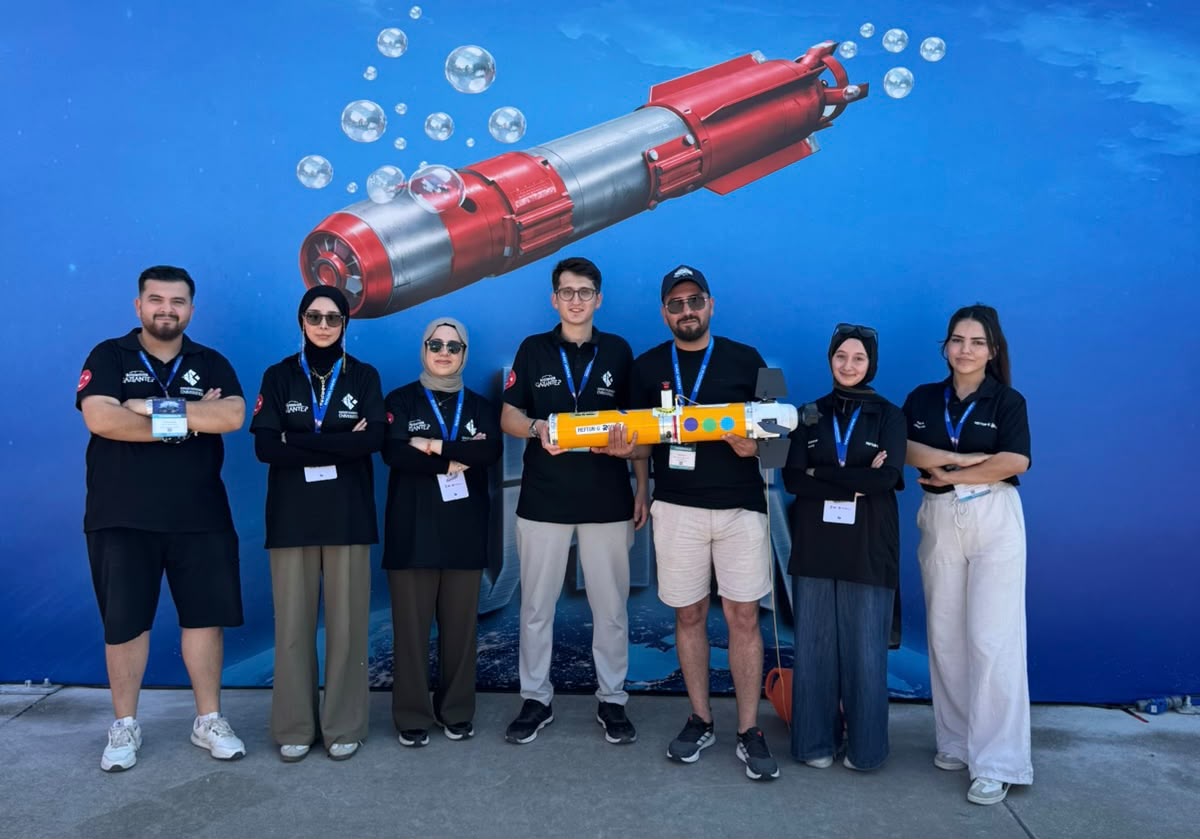
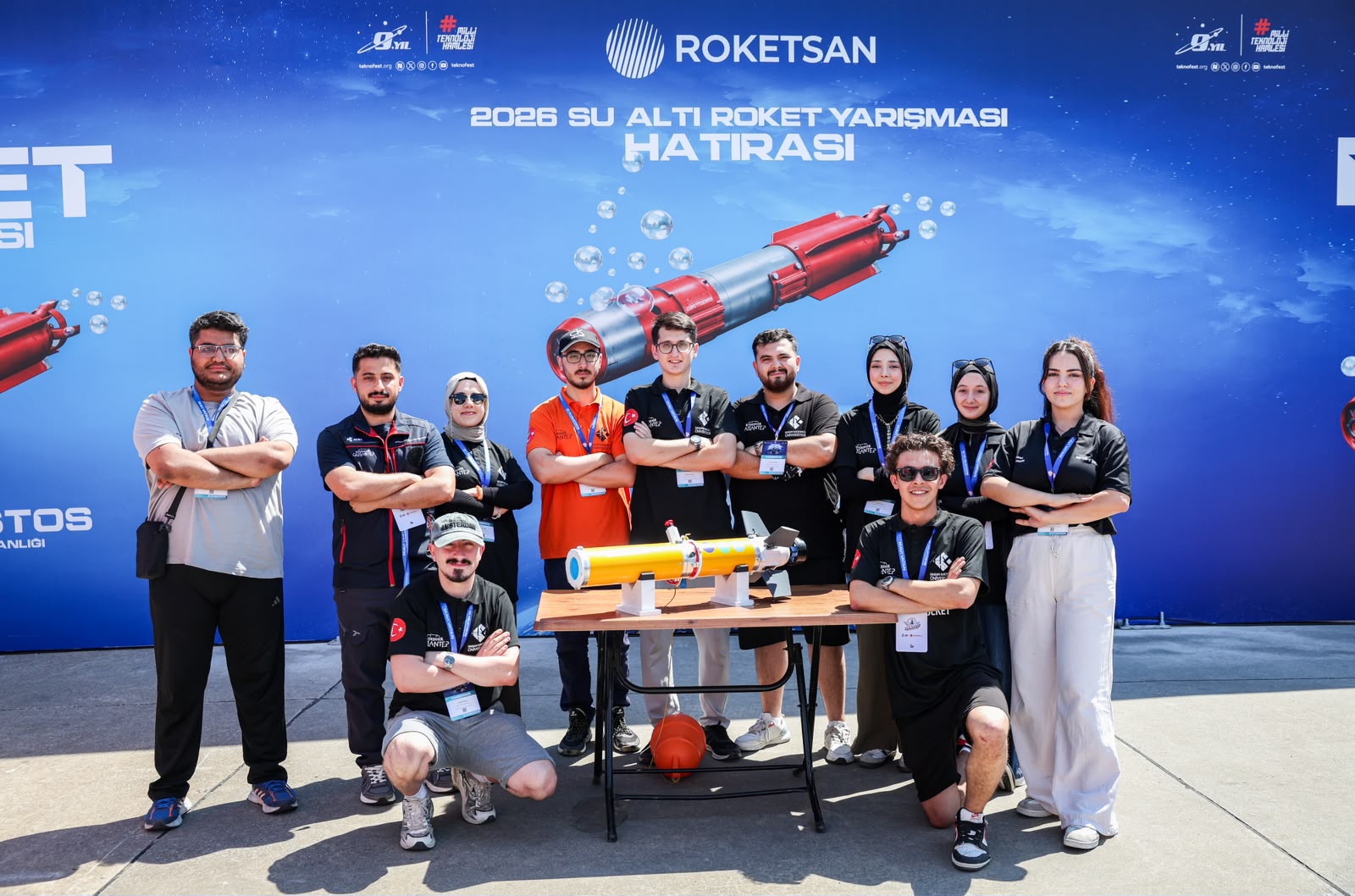
Hasan Kalyoncu University (HKU) Teknogaraj Meftun-u Roket Team secured third place in the University Category of the Underwater Rocket Competition held as part of TEKNOFEST 2026 Mavi Vatan in Gölcük.
Formed by students from HKU’s Faculty of Aeronautics and Astronautics and Faculty of Engineering, and supported by Hasan Kalyoncu University and Gaziantep Metropolitan Municipality, the HKU Teknogaraj Meftun-u Roket Team successfully represented Hasan Kalyoncu University in the competition with the underwater rocket system it developed.
Our Achievements at TEKNOFEST Make Us Proud
Commenting on the achievement, HKU Rector Prof. Dr. Gül Rengin Küçükerdoğan said, “As a university, we attach great importance to ensuring that our students transform their knowledge and skills into practice and grow into young people who design, produce and develop. This year, we were proud to see our Viento Team secure first place in the International Fixed-Wing UAV Category and receive the TUSAŞ Special Award at TEKNOFEST, our MERGENİYE Team achieve third place in the Unmanned Underwater Systems Competition, and our Meftun-u Roket Team secure third place in the Underwater Rocket Competition. I congratulate our students, academic advisers and all our colleagues who contributed to these achievements and represented our university successfully across different fields of technology,” she said.
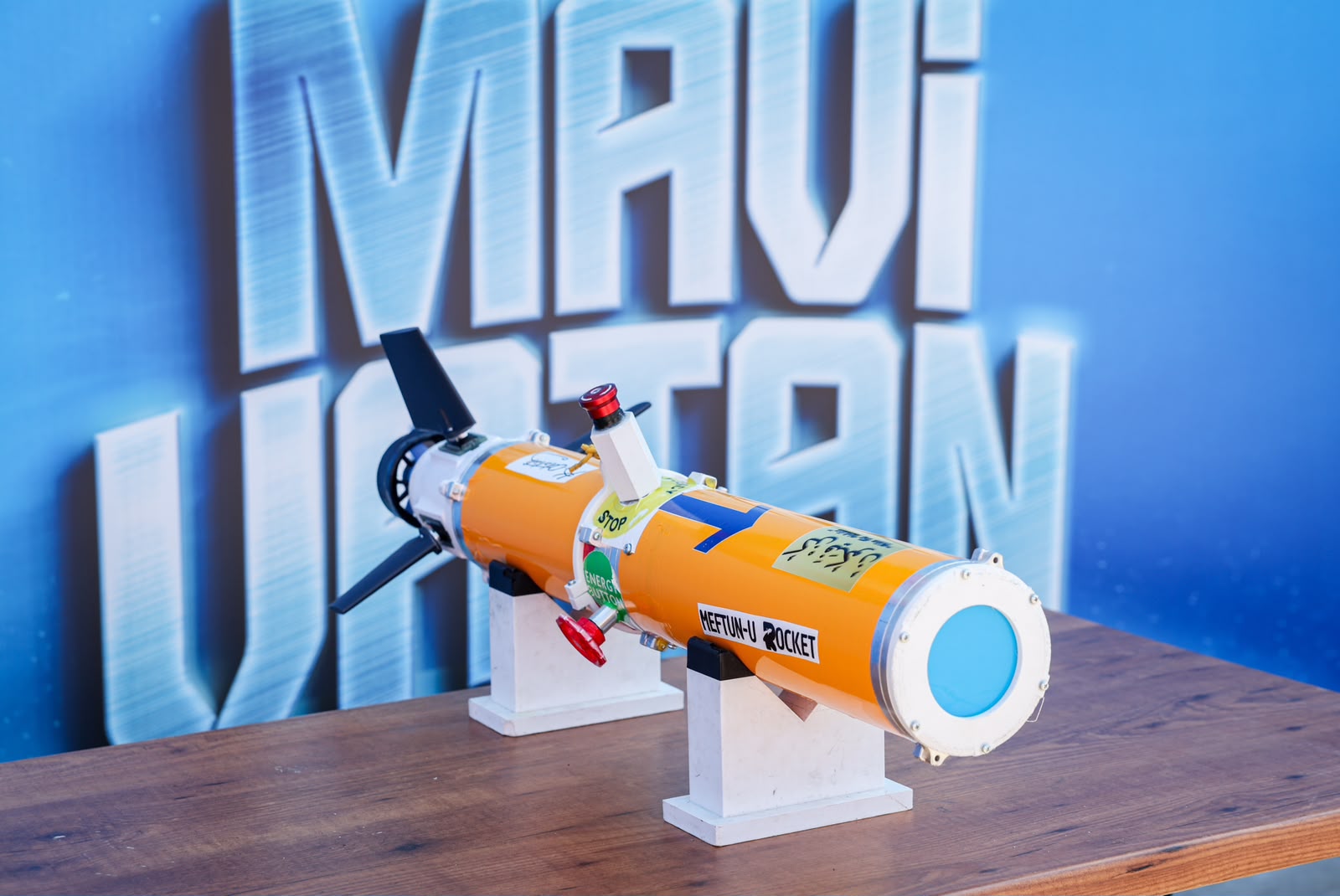
Under the academic supervision of Research Assistant Mücahit İzgınlı from the Department of Electrical and Electronics Engineering at HKU’s Faculty of Engineering, and led by team captain Burak Çakmak, the team comprises Beyzanur Tuvaş, Tarık Özatıcı, Tuana Dost, İmiş Nur Yerlikaya, Münire Alkan, Orçun Dölek, Esra Özdemir and Kerem Çıklaçopur. The underwater rocket system developed by the team can navigate underwater either autonomously or through command-and-control operation, safely maintain its position at a designated depth, and accurately and securely carry out rocket firing and propulsion sequences in accordance with competition scenarios. Bringing together a range of engineering disciplines, including mechanical design, software, control systems, electronics and propulsion systems, the project enables students to put their theoretical knowledge into practice, while its development and testing processes demonstrate the team’s engineering capabilities.