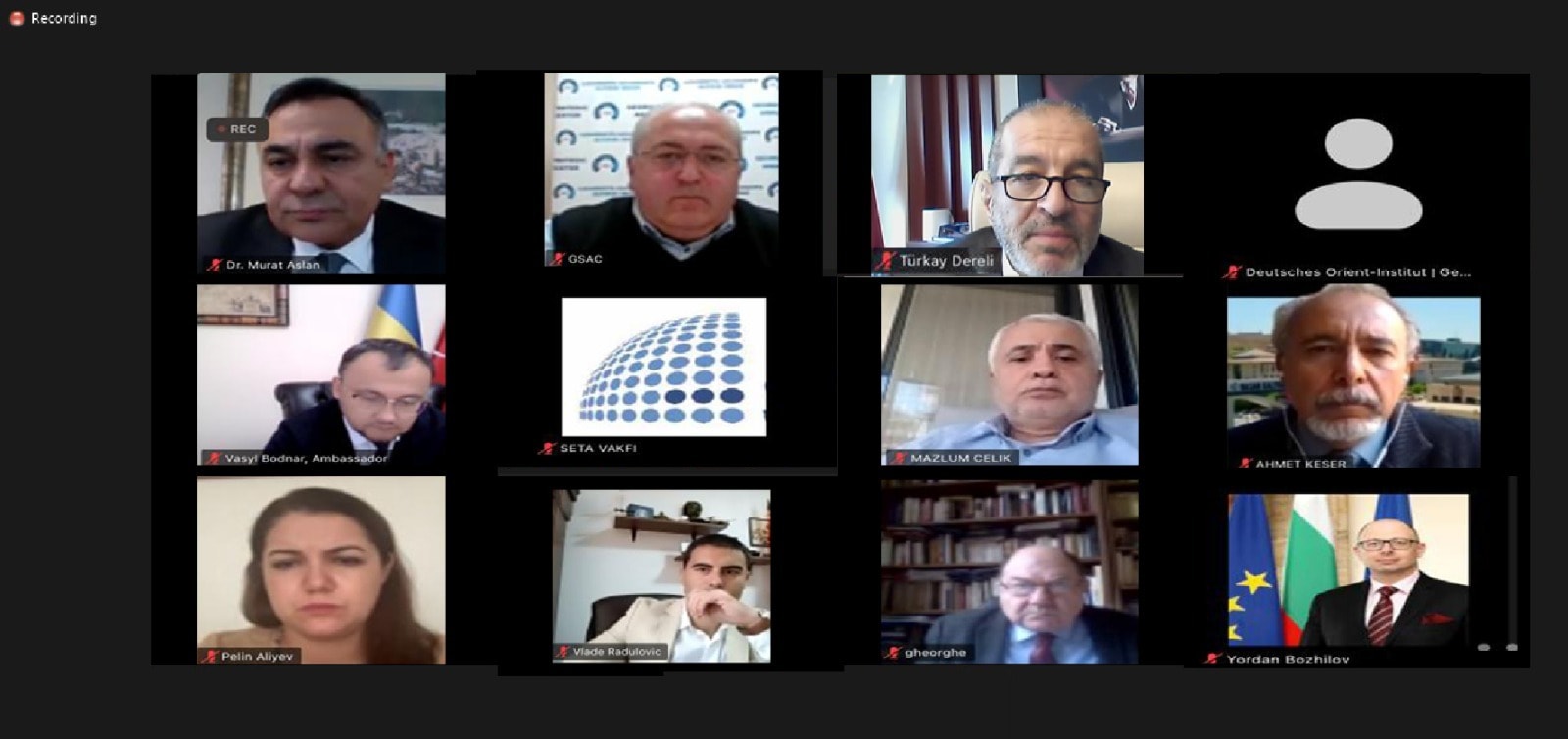
The 3rd International Global Security Conference, organised by Hasan Kalyoncu University (HKU) with the cooperation and participation of different think tanks from 7 countries, was held under the theme “The Russia-Ukraine Conflict and Beyond: Is a New Systemic Turbulence Possible?”.
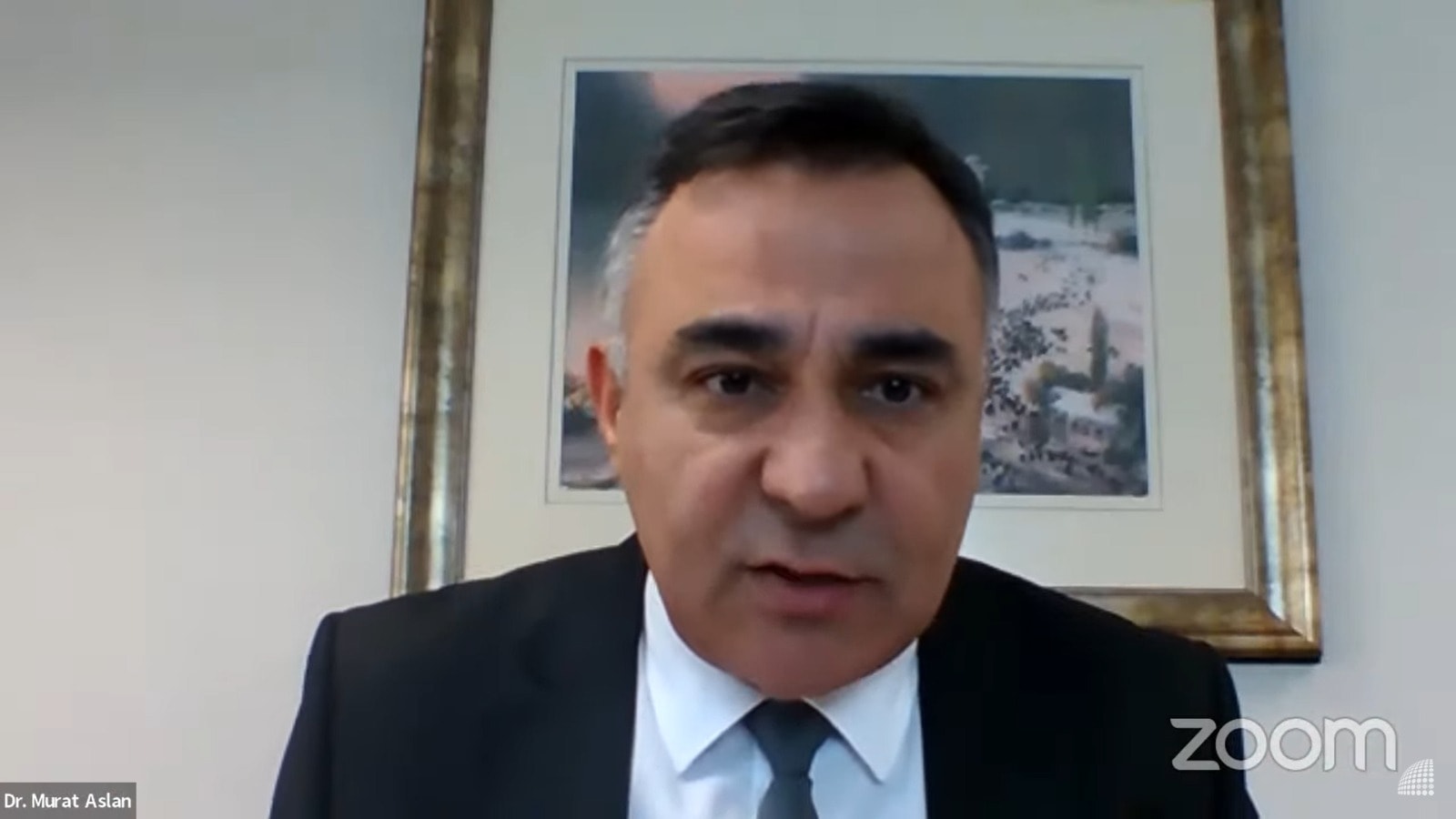
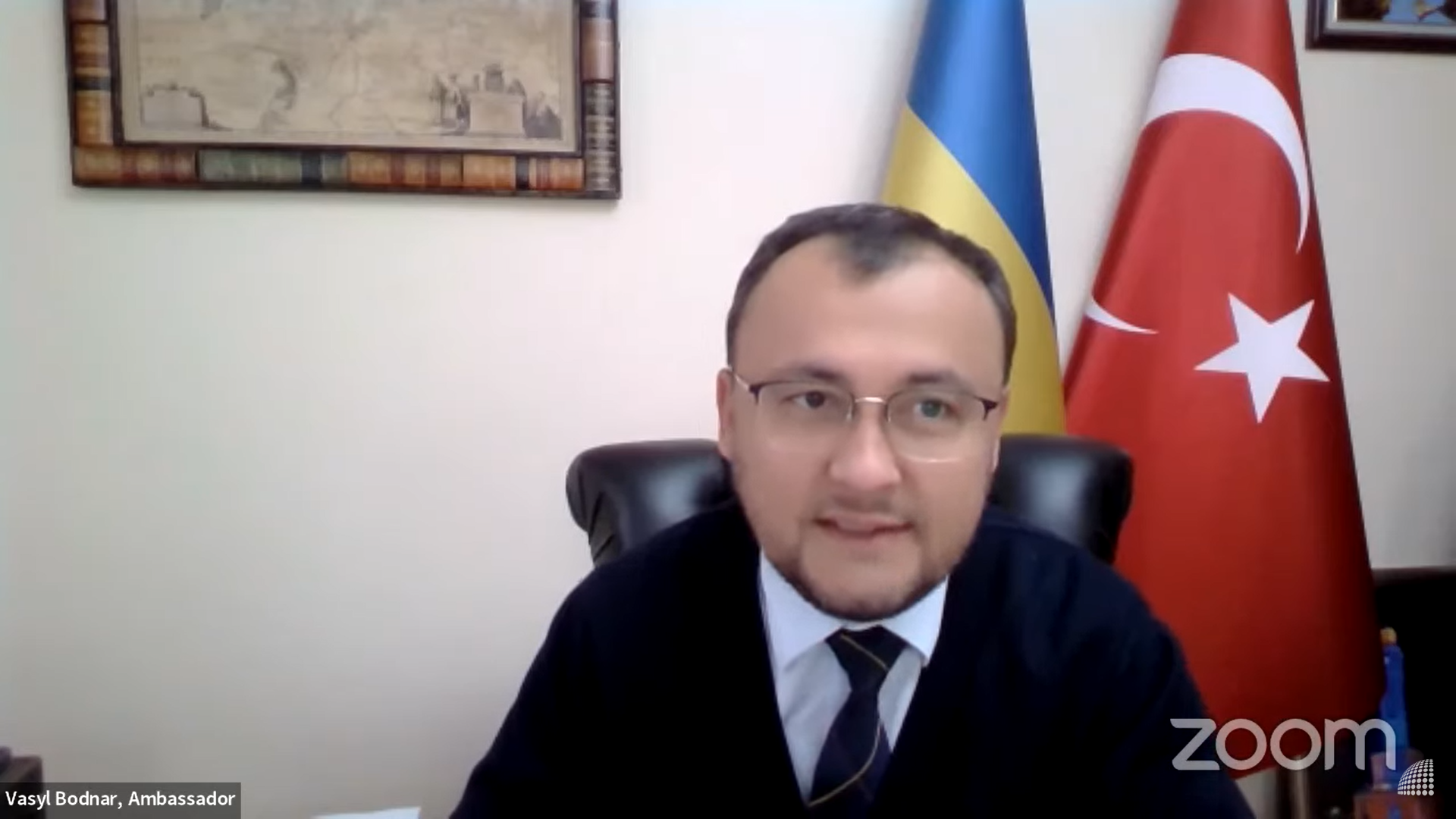
At the online conference, coordinated by Dr. Murat Aslan, Faculty Member at the HKU Department of Political Science and International Relations, Faculty of Economics, Administrative and Social Sciences, Ukraine’s Ambassador to Ankara Vasyl Bodnar, who attended as guest of honour, assessed the latest developments on the matter and, drawing attention to the risk of the war spreading, underlined that Russia’s expansionist policy threatens the whole region and the world.
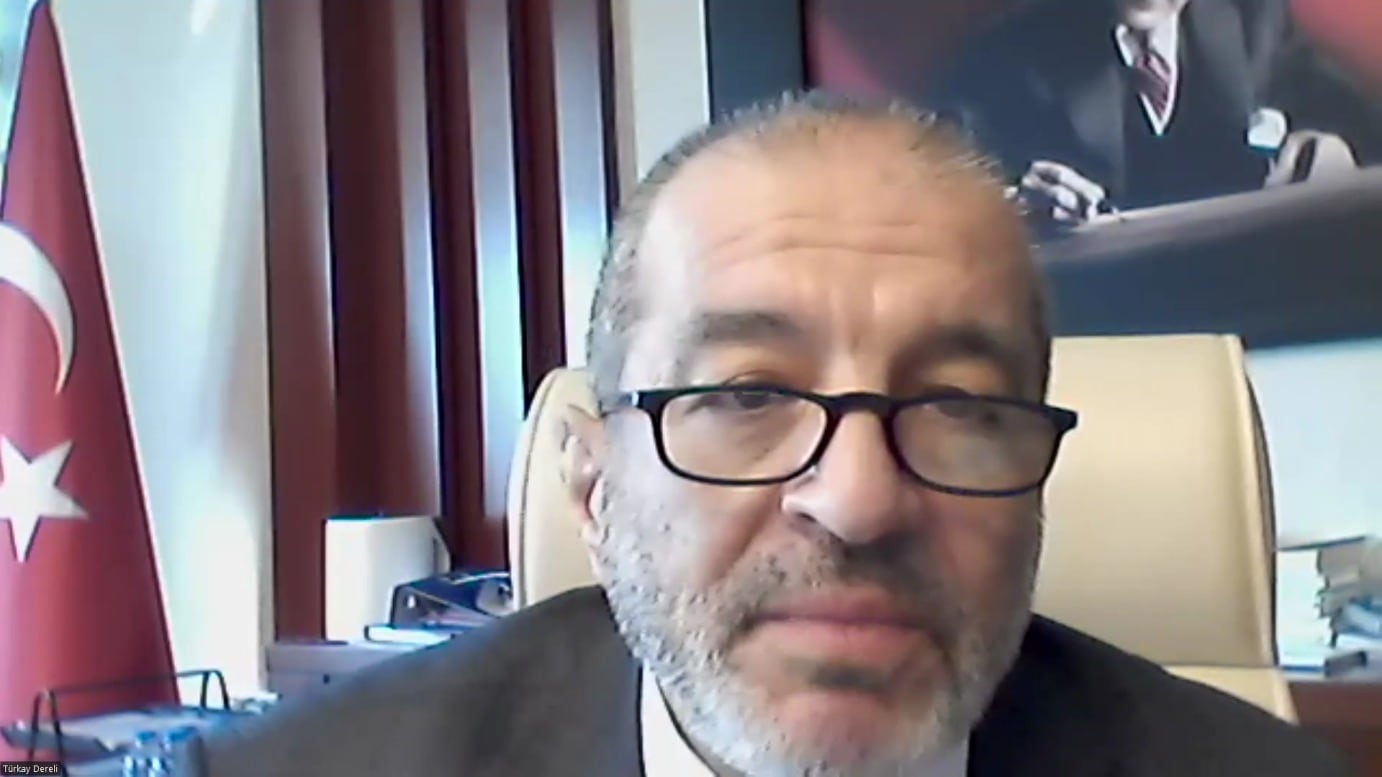
Speaking at the opening of the conference, HKU Rector Prof. Dr. Türkay Dereli said: “The Russia-Ukraine war has led to bad scenarios for the future being discussed. Projections of a possible nuclear war and economic traumas have begun to be debated. Some states have begun to direct their budgets more towards military spending instead of possible natural disasters caused by climate change. A concern has emerged: ‘Are we heading towards the worst-case scenario?’ In this context, I believe that we academics need to do more to remind people of the dangers of these negative repercussions and to inform the public accurately. This conference will therefore serve an important function in integrating the synergy of theory and practice in order to be better prepared for the risks. I hope that we will contribute to the desired change and progress of the world in a way that develops our common future,” and thanked everyone who contributed to the organisation of the conference.
The conference was held in three panels, which discussed the themes “Effects of the Ukraine War: Economy, Security and Global Governance”, “Current Security Risks” and “International Response in Harmony with Threats”.
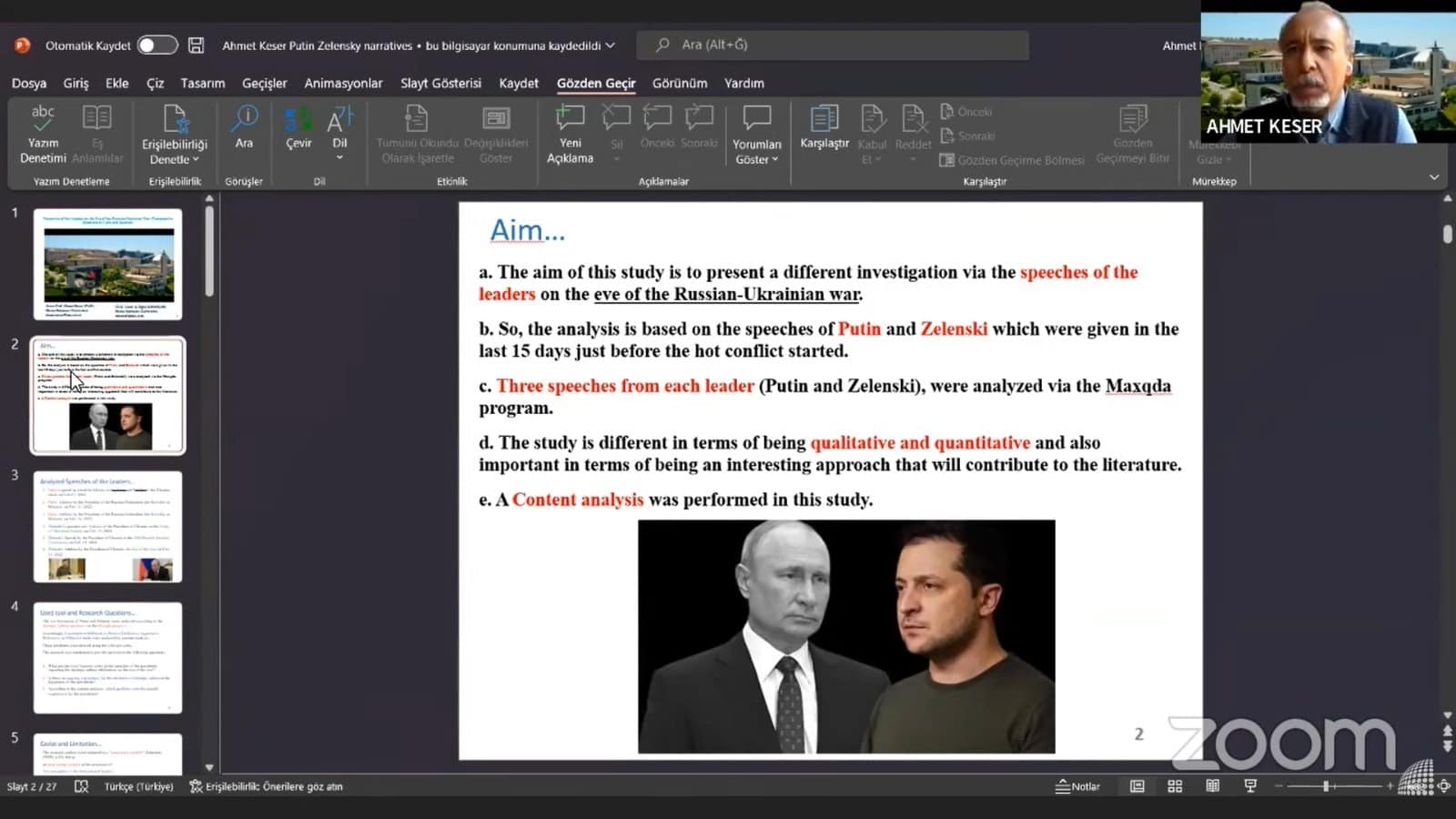
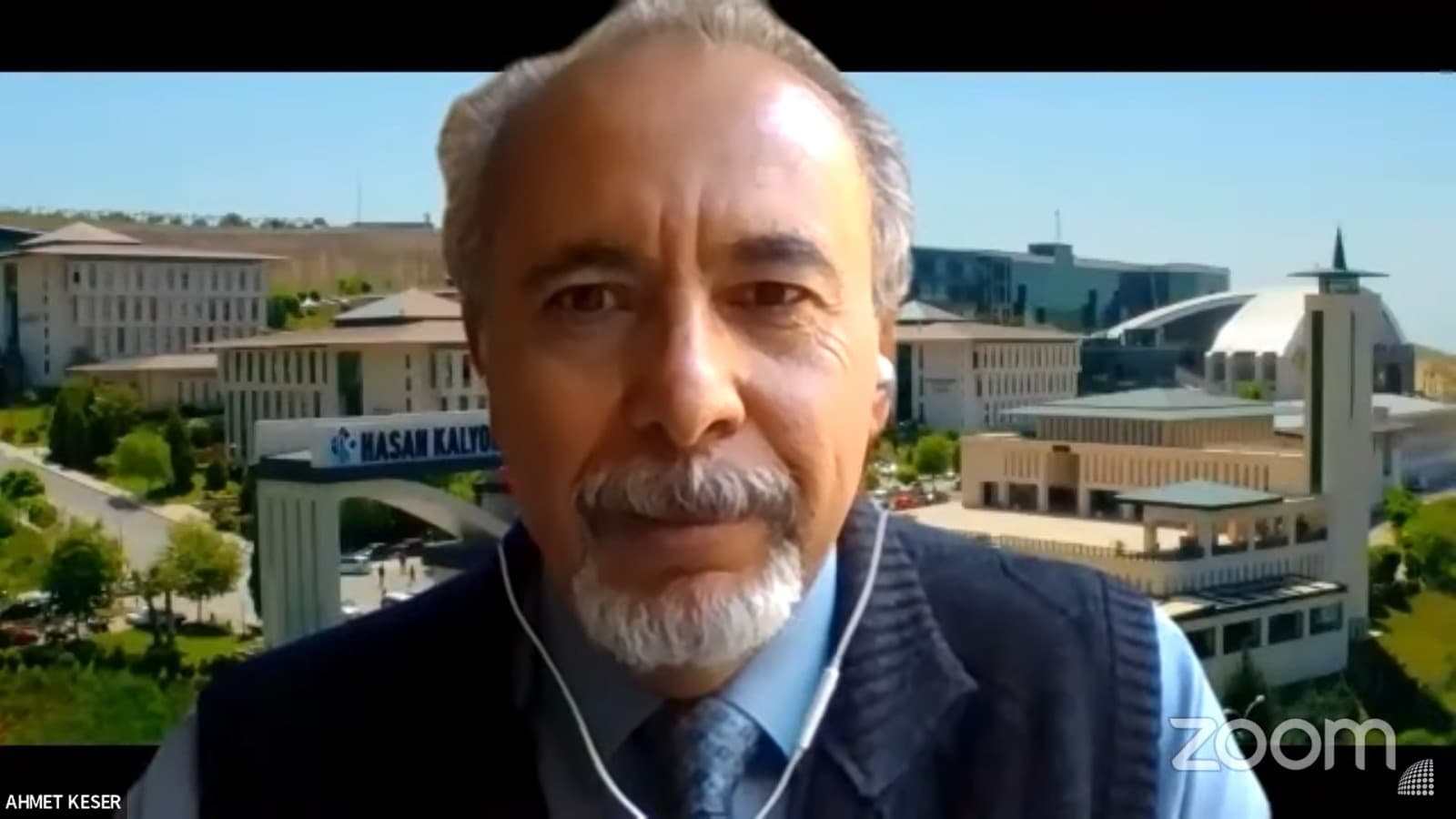
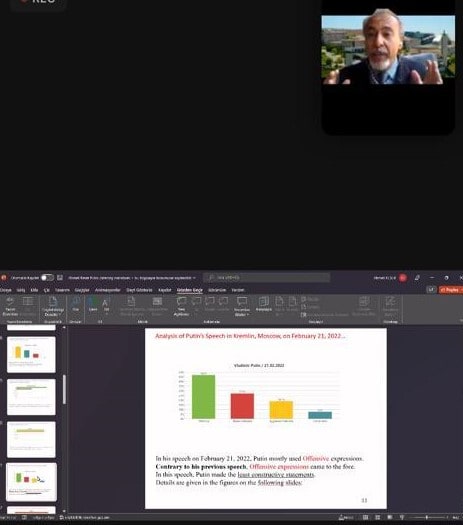
In the first panel, chaired by Dr. Murat Aslan, HKU Faculty Member Assoc. Prof. Dr. Ahmet Keser gave a presentation titled “Leaders’ Narratives on the Eve of Conflicts: A Comparative Discourse of Putin and Zelensky”. Ambassador (Ret.) Gheorghe Magheru, Honorary Member of the New Strategy Centre of Romania, examined the security situation in the Black Sea in the context of global and regional concerns.
In the second panel, chaired by Prof. Dr. Yücel Acer, Faculty Member at Ankara Yıldırım Beyazıt University, Prof. Heinrich Kreft of Andrássy University in Hungary clarified Europe’s policy, caught between cooperating with Russia and confronting it. Jordan Bozhilov, former Deputy Minister of Defence of Bulgaria and Chairman of the Sofia Security Forum, drew attention to fragmentation in the world system and stated that a new order needs to be built again. Vlade Radulovic, President of the Centre for Geostrategy and Terrorism Studies of Serbia, emphasised that regional cooperation solutions could be more effective against new threats. Dr. Murat Aslan of HKU, while examining the trends of modern-era conflicts, also pointed out that there may be regional ‘super conflicts’ lying between low-profile conflicts and total war.
In the third panel, chaired by Benedict van den Woldenberg, Researcher at the German Orient Institute, HKU Faculty Members presented their academic work. Assoc. Prof. Dr. Ercan Seyhan emphasised that improvised explosive devices have turned into strategic weapons, while Dr. Pelin Aliyev described her research on problems in food security. Assoc. Prof. Dr. Cenker Korhan Demir and Dr. Burçin Uluğ drew attention to how theoretical studies contradict one another in light of the Russia-Ukraine War and gave a presentation on great power competition.
It was stated that the proceedings book of the conference, to be prepared in English, will be published on the Hasan Kalyoncu University website in the coming days.
News: Çetin KARABIYIK /HKU